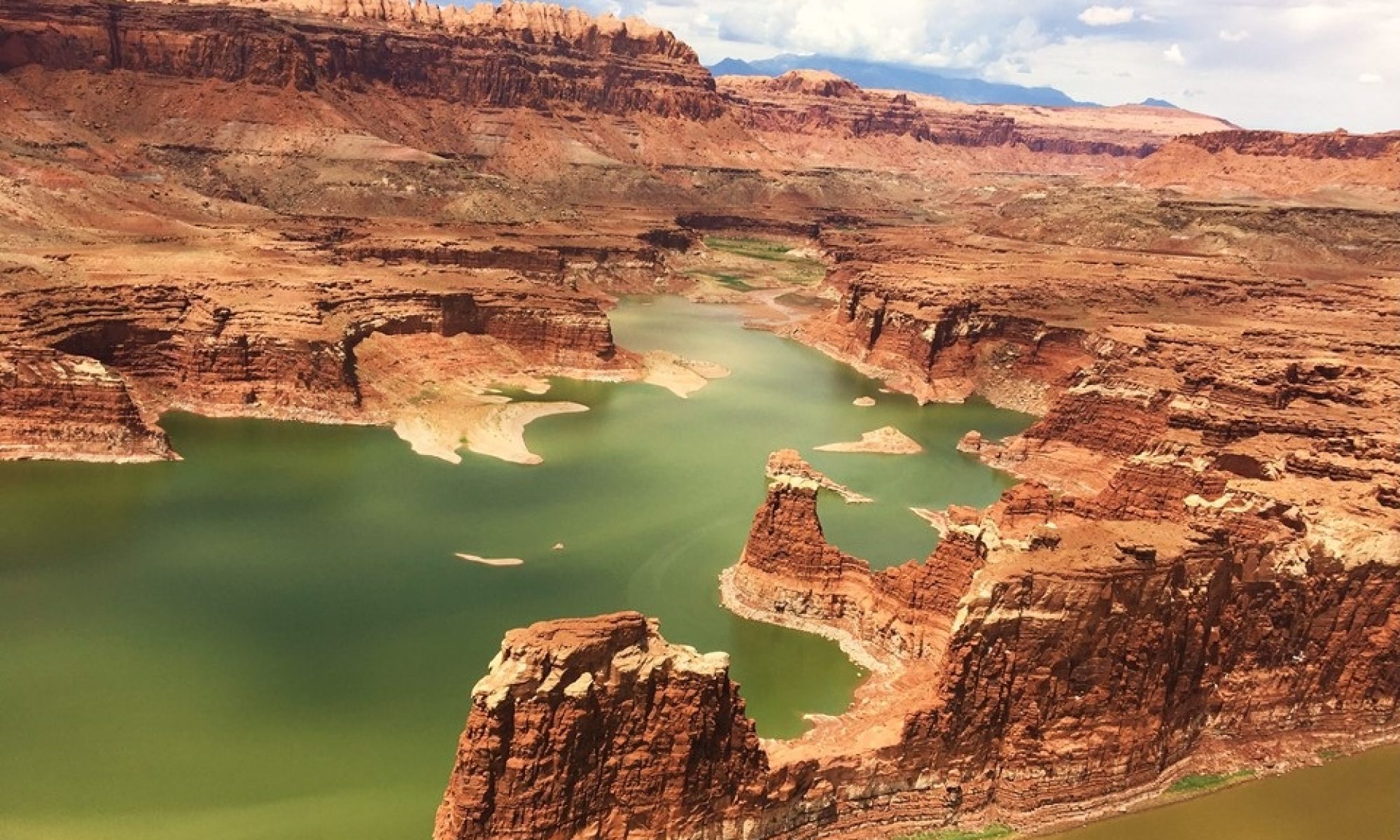
Summer 2026 — Royal Caribbean Ovation of the Seas & Alaska Cruisetour
Traveling through Alaska is never just a vacation — it is an immersion into deep time. Glaciers shaped over millennia, Indigenous cultures whose traditions predate written history, frontier towns born from gold fever, and wilderness that remains largely unchanged since the first humans crossed the Bering land bridge. For our family of ten, this northbound voyage became a shared exploration of one of the last great wild regions of North America.
June 26 — Vancouver: Gateway to the North
Our adventure began at Vancouver’s Canada Place, a modern cruise terminal built atop the city’s historic piers. Vancouver has long been a maritime crossroads — first for Coast Salish peoples, then for fur traders, and now for travelers heading toward Alaska’s Inside Passage.
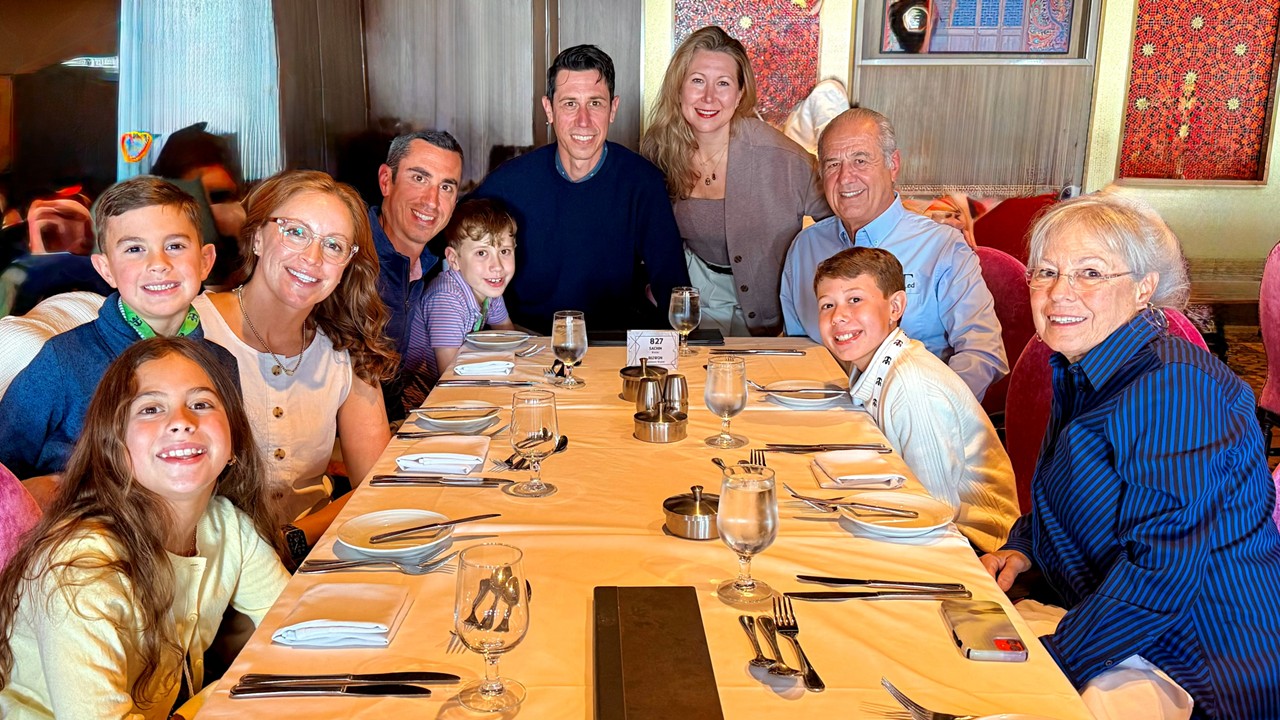
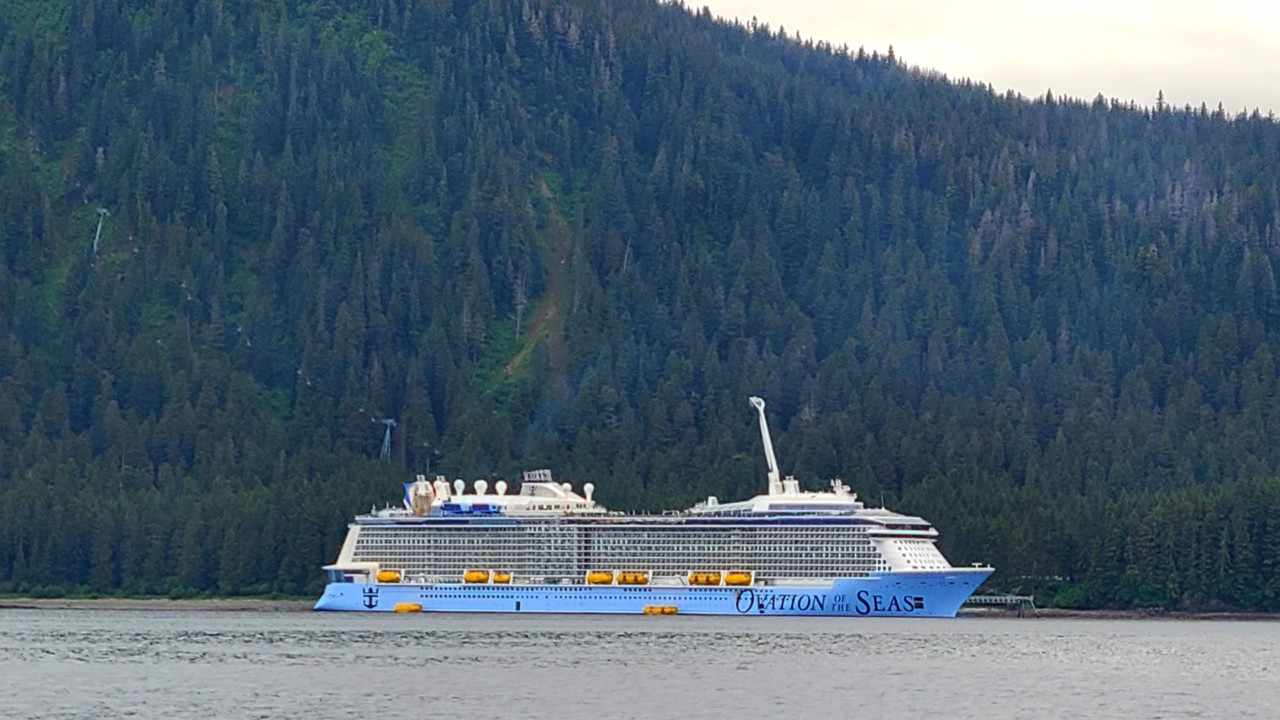
As flights converged from Baltimore, Washington, and Orlando, we gathered aboard Ovation of the Seas. That first dinner felt like a reunion and a launch point — a long table, lively conversation, and the anticipation of the week ahead.
When the ship slipped away at 9:45 PM, it followed a route once used by Indigenous canoes and later by steamships carrying prospectors north during the Klondike Gold Rush. We were sailing in the wake of history.
June 27 — At Sea: Life Along the Inside Passage
The Inside Passage is one of the calmest and most scenic coastal routes in the world — a 500mile corridor shielded by islands that protect ships from the open Pacific. Its sheltered waters have supported Indigenous travel, trade, and communication for thousands of years. Today, travelers glide past forested islands, granite peaks, waterfalls, and wildlife-rich straits.
Aboard the ship, the day unfolded in easy rhythm. The kids discovered bumper cars, ping pong, foosball, archery, and trivia — a modern echo of the carefree joy that travel often brings — while adults explored lounges and panoramic decks.. Our sons taught our grandsons napkin folding, passing down a small tradition from their own childhood adventures at sea.
Outside, the ocean was a deep, nutrient-rich blue — part of a marine ecosystem that draws humpback whales each summer to feed along this protected corridor.

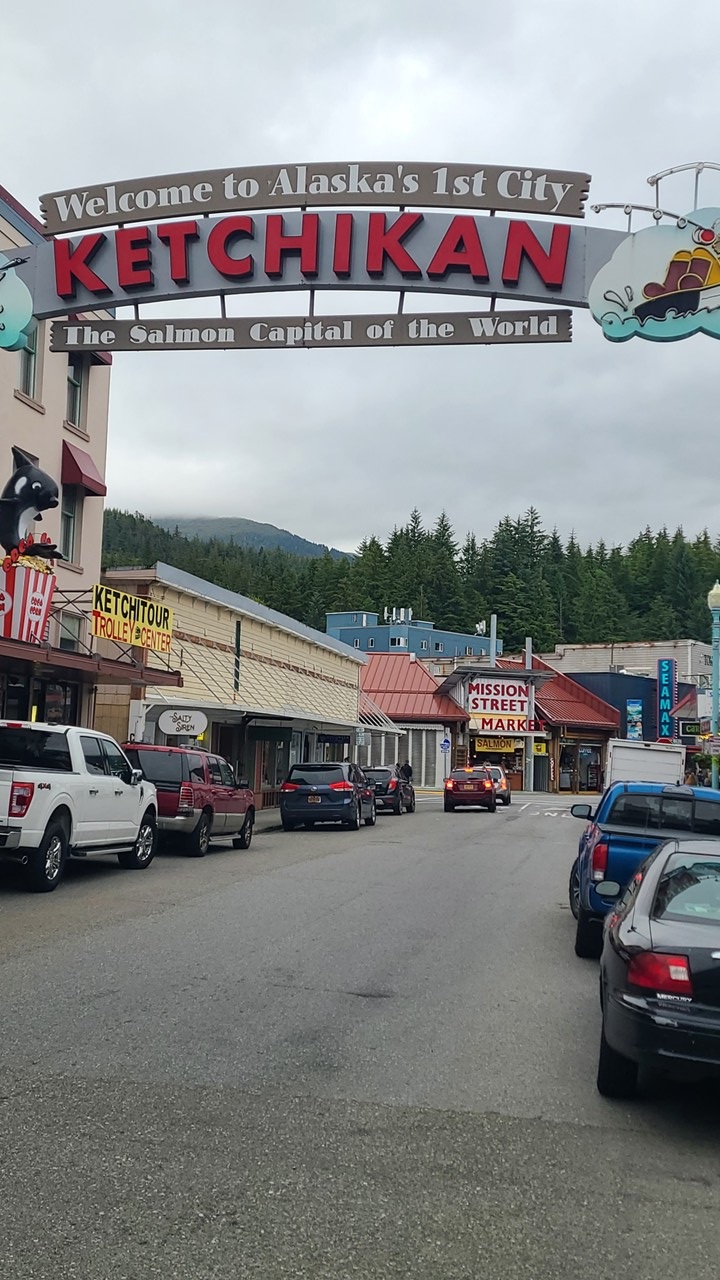
June 28 — Ketchikan: Totem Poles, Rainforest, and Alaska’s First City
Ketchikan, often called Alaska’s “First City,” sits within the Tongass National Forest — the largest temperate rainforest on Earth. Towering cedar and hemlock thrive in its misty climate.
Totem poles are everywhere, carved by Tlingit and Haida artists whose traditions stretch back millennia. These poles were never objects of worship; they were storytelling devices, historical markers, and expressions of clan identity.
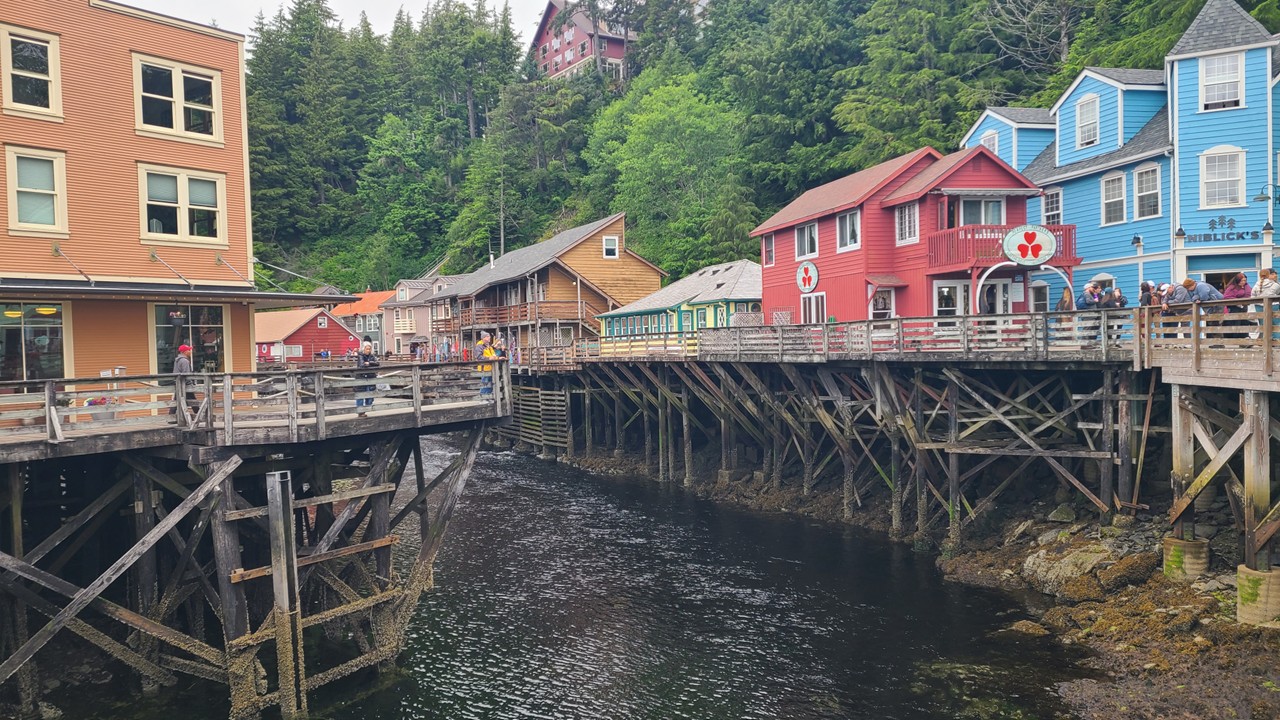
Ward Cove’s rustic waterfront buildings recall early 20thcentury canneries that once lined Alaska’s coast, processing salmon for markets around the world.
June 29 — Icy Strait Point: Orcas and Indigenous Stewardship
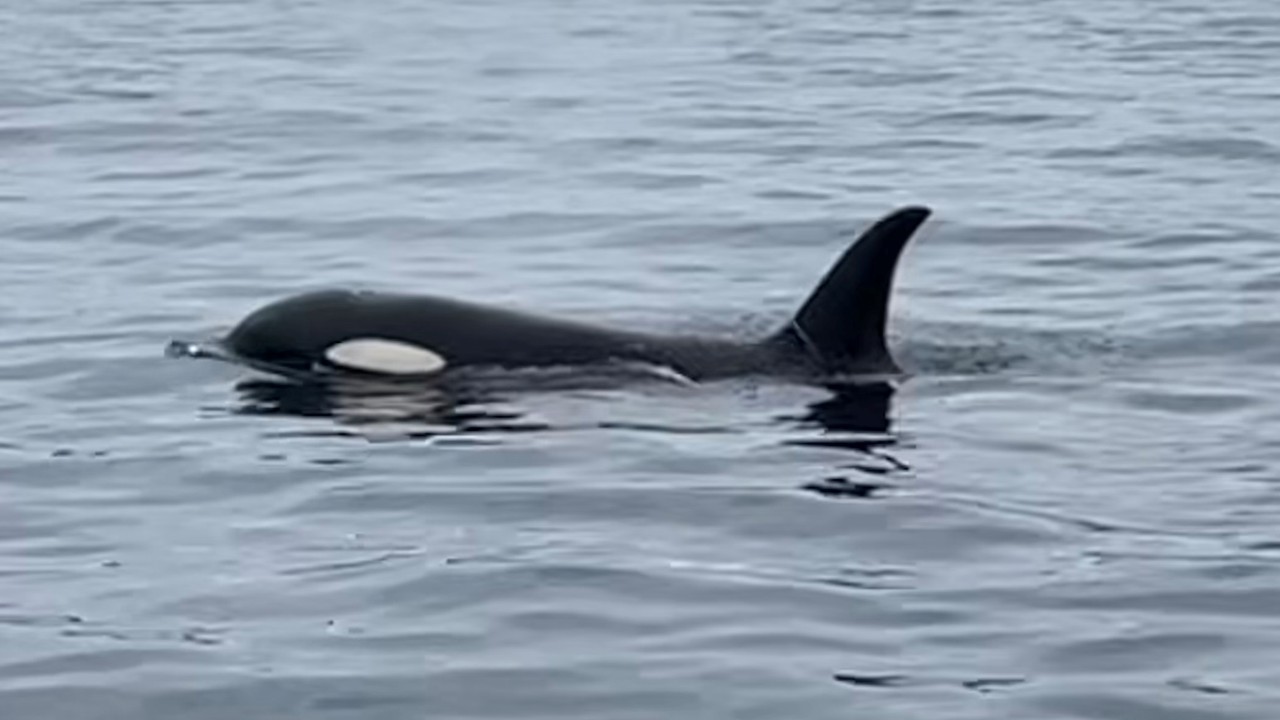
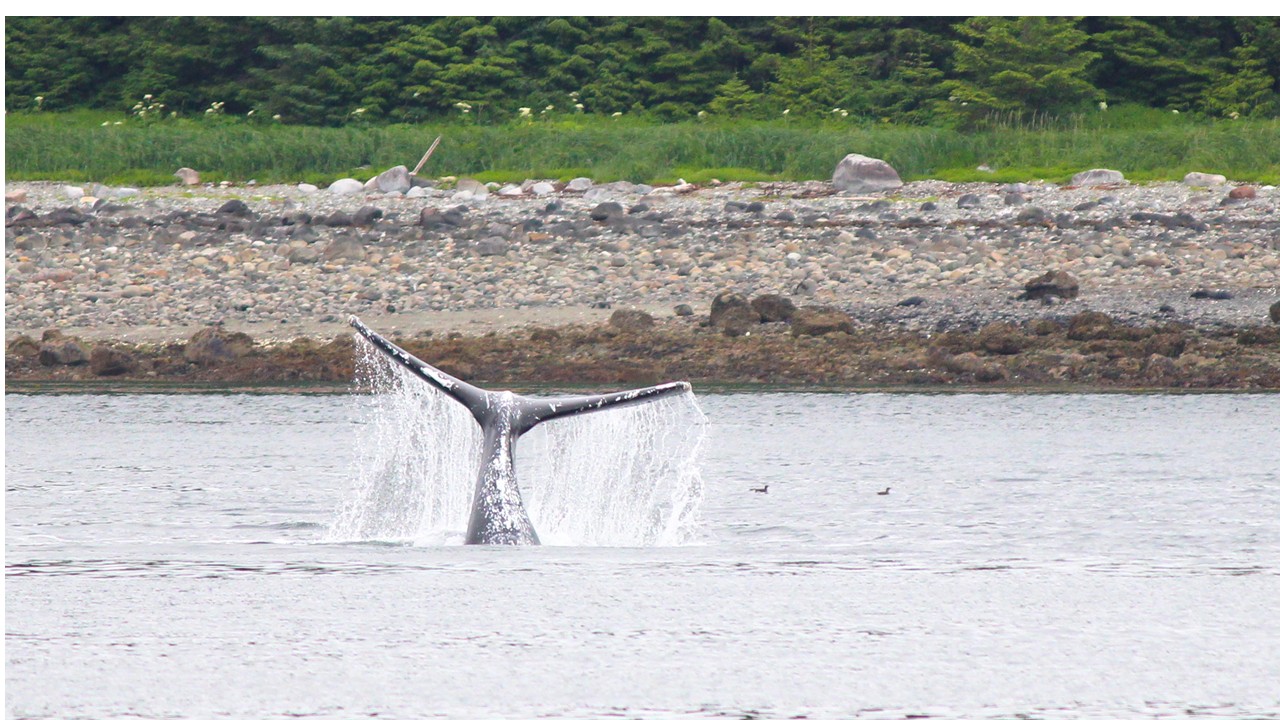
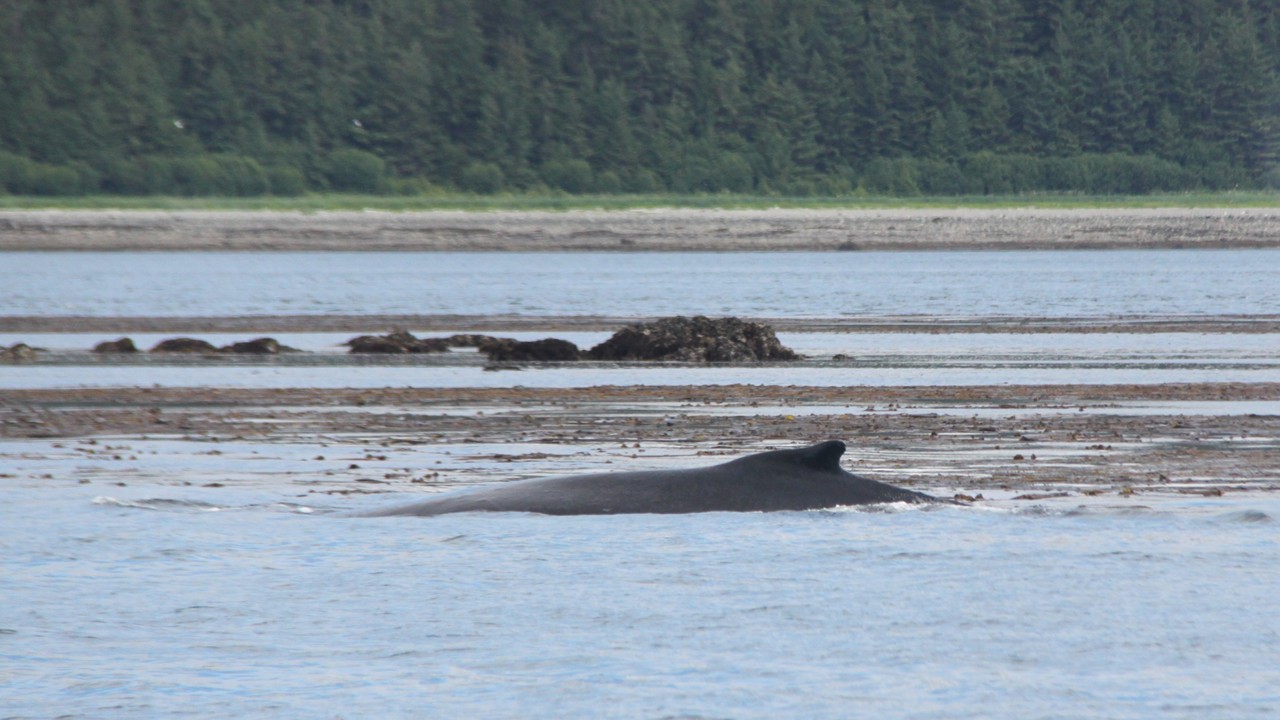
Icy Strait Point is owned and operated by the Huna Tlingit — one of the few cruise destinations in Alaska managed by Indigenous people. The region is known for exceptional wildlife viewing, especially orcas and humpbacks that feed in the deep waters of Icy Strait.
Seeing orcas in the wild is a profound experience. These animals are apex predators with complex social structures, dialects, and hunting strategies passed down through generations. The mountains rising behind the strait — streaked with snow even in June — are part of the Fairweather Range, some of the tallest coastal mountains in the world. The quiet of the water, the rhythm of the whales (Humpback and Orcas – tales flips and blows and breeching dives) and sea otters with babies on their chest , and the vastness of the landscape created a moment that felt suspended in time. We visited the fishery museum and rode the mountaintop gondola back to town. That evening, all ten of us celebrated our 50 years of marriage with lobster, Baked Alaska, and group photos — a milestone set against one of the world’s most dramatic landscapes.
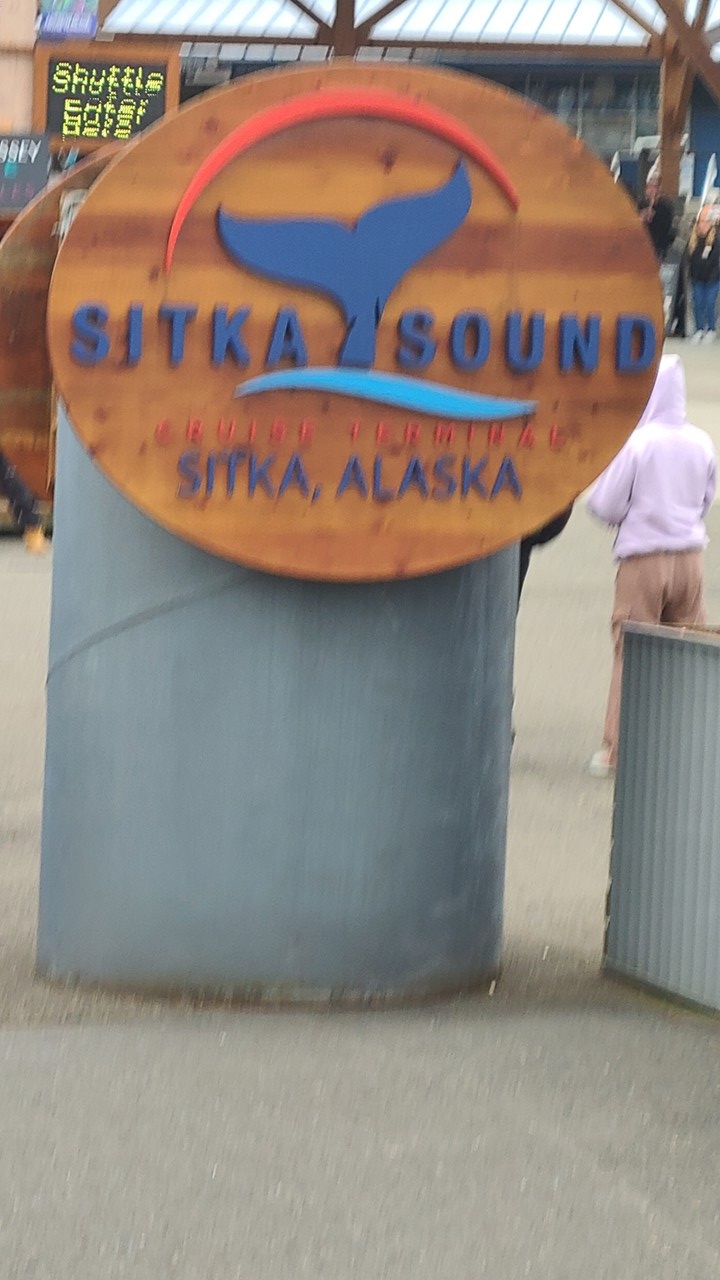
June 30 — Sitka: Russia’s Former Capital and Tlingit Homeland
Sitka is one of Alaska’s most historically layered communities. Long before Russian traders arrived, it was the heart of the Kiks.ádi clan of the Tlingit people. The 1804 Battle of Sitka between the Tlingit and Russian colonizers shaped the region’s future.
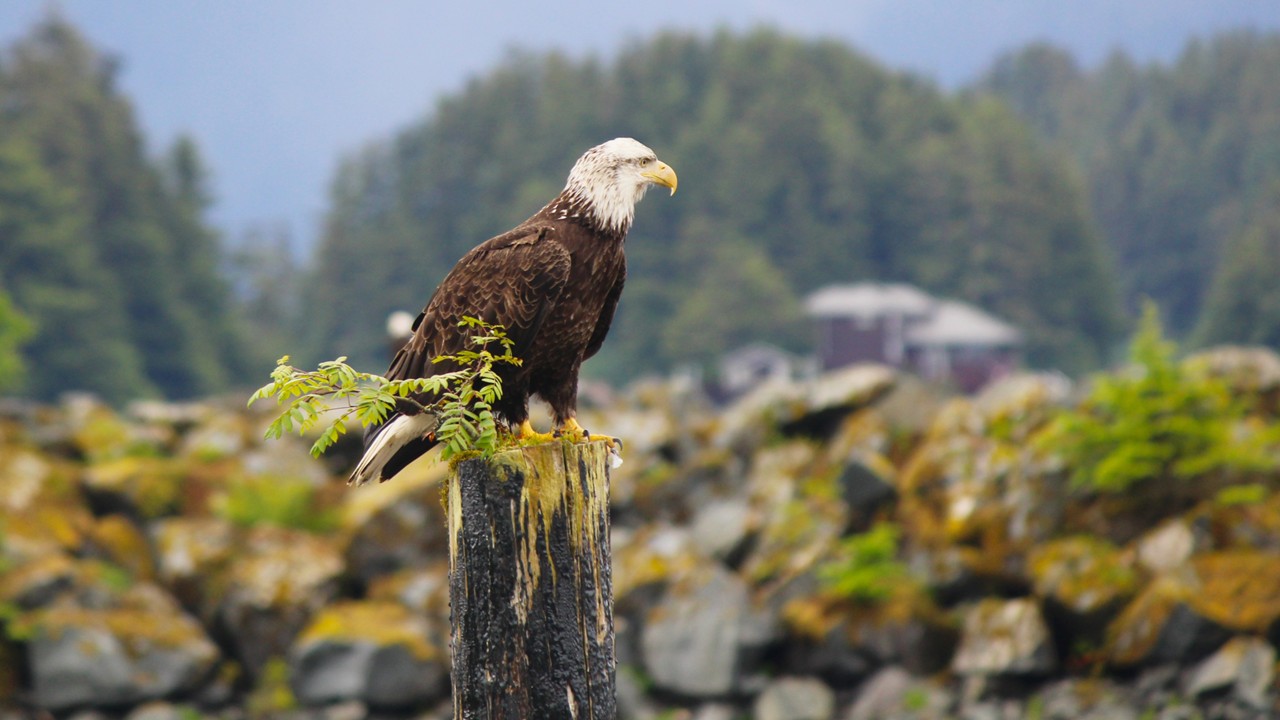
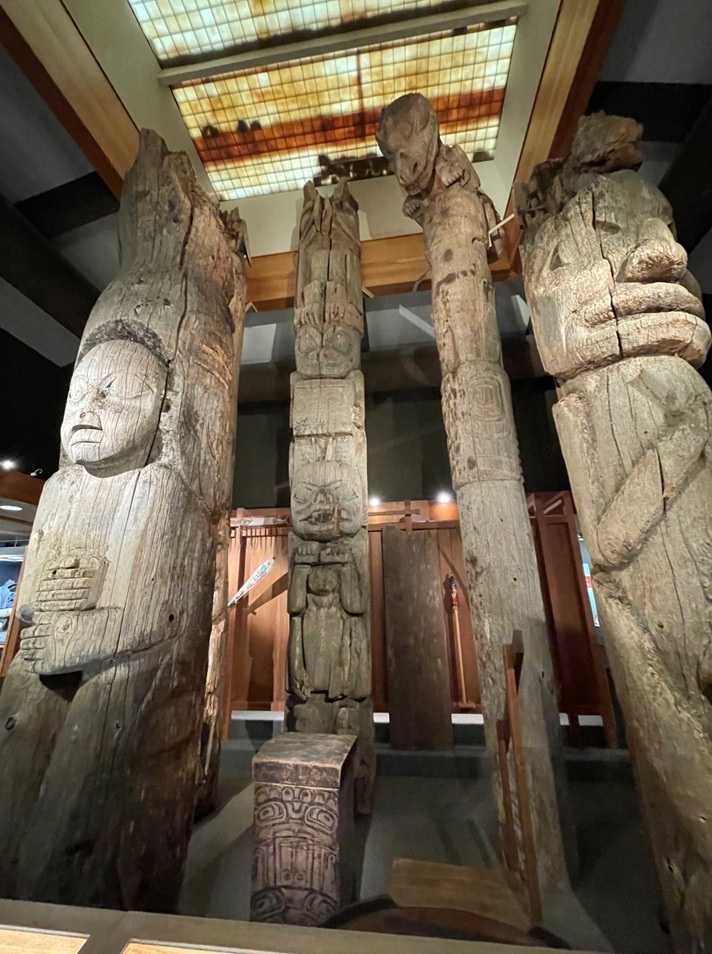
The Russian influence remains visible in onion-domed architecture and Orthodox traditions, but the deeper story lies in the rainforest trails and carved poles of Sitka National Historical Park. The park commemorates the 1804 battle and preserves the artistry of Indigenous carvers whose work reflects clan identity and ancestral memory. Sitka is also one of Alaska’s best wildlife ports, known for eagles, bears, and marine life.
Walking among 500yearold trees, spotting bald and golden eagles, and enjoying our first lunch of fresh crab made the day unforgettable. That night, bumper car races kept the celebration going.
July 1 — Skagway: Gold Rush Dreams and Sled Dog Heritage
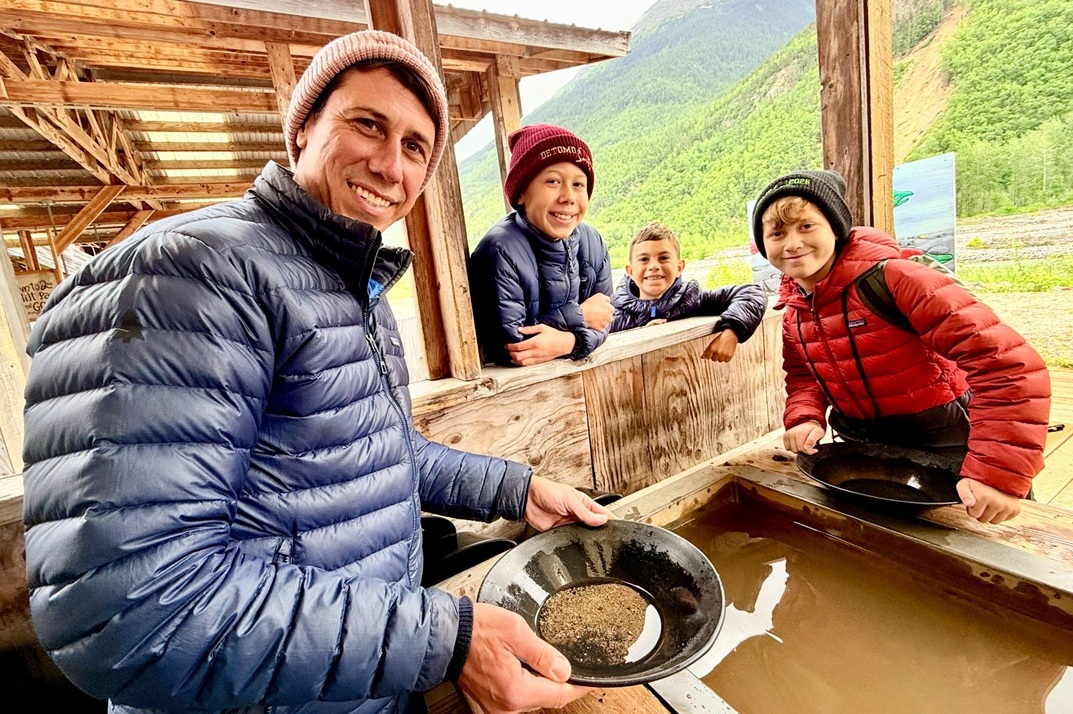
Skagway was once the gateway to the Klondike Gold Rush. In 1897–98, more than 100,000 stampeders passed through this narrow valley hoping to strike it rich — though only a fraction made it, and fewer still found gold.
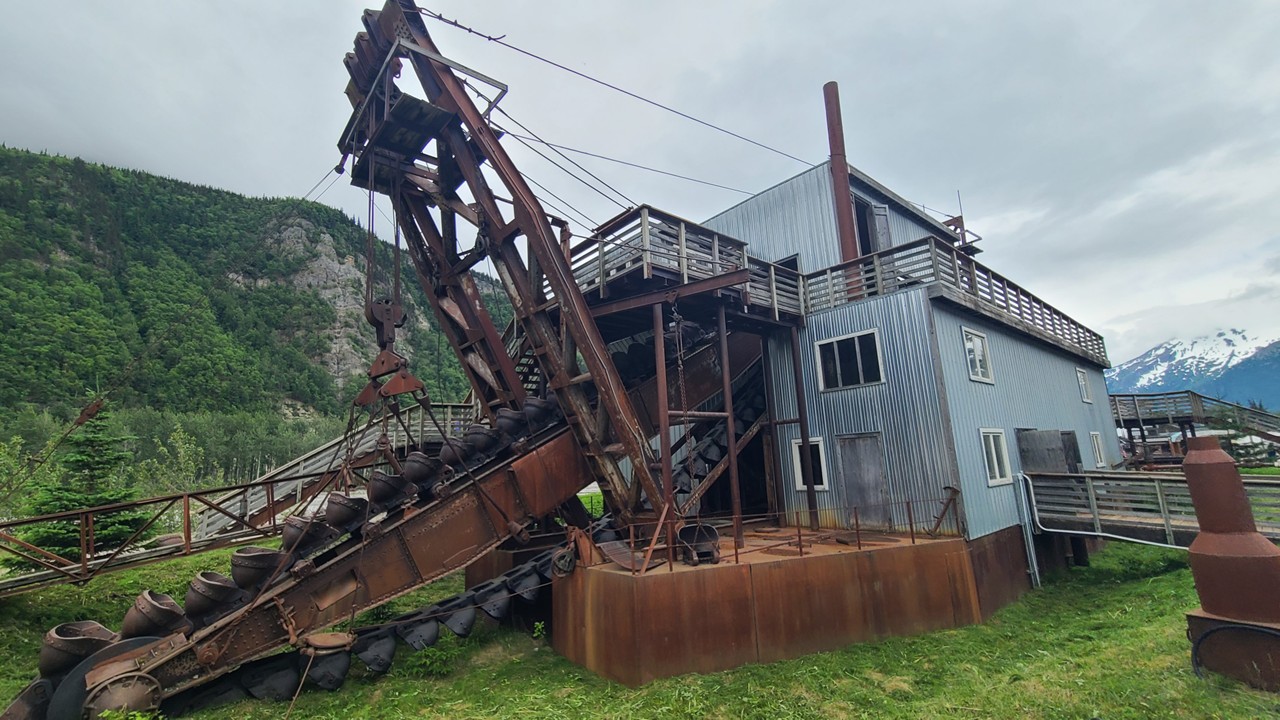
Gold panning today is a playful echo of that era, but the history remains sobering: many stampeders died on the Chilkoot Trail, and the boomtown was notorious for crime, corruption, and hardship. We explored a gold dredge, learned to maneuver its control levers, and then practiced panning for gold ourselves.
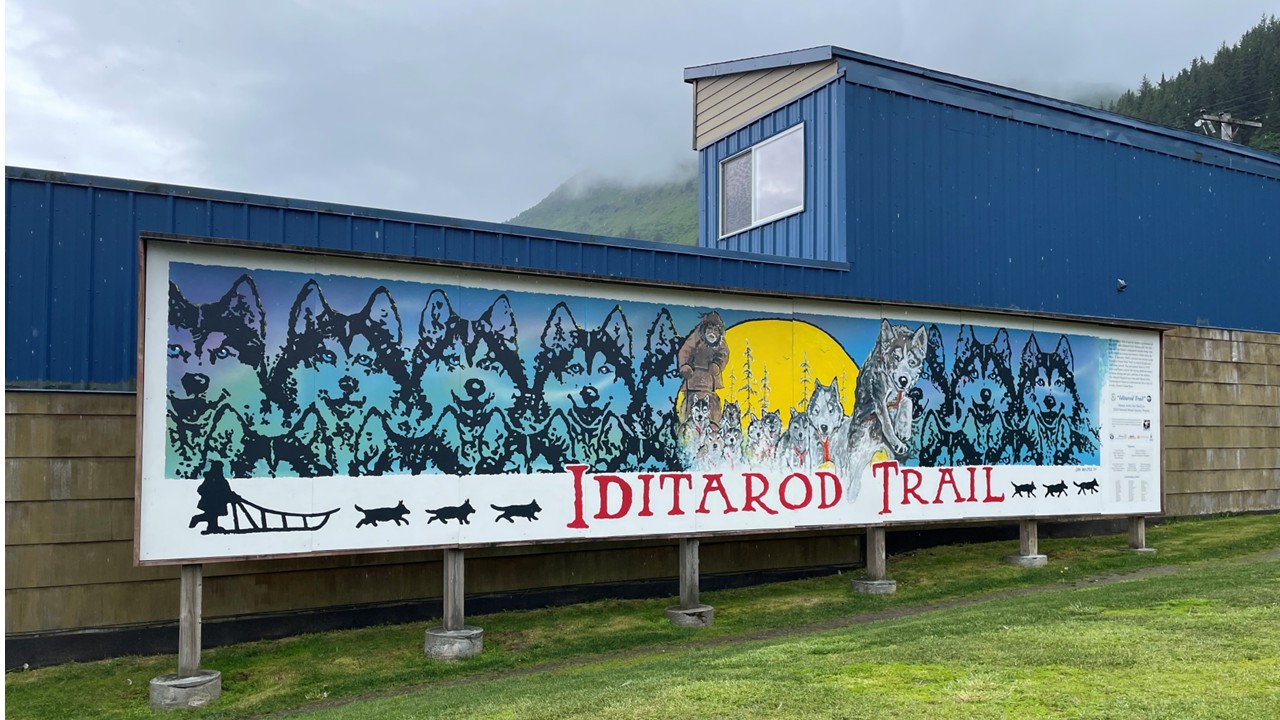
Skagway is also famous for sled dog culture. Long before snow machines, sled dogs were essential for winter travel and mail delivery across Alaska’s interior. The Iditarod Trail itself was originally a mail and supply route linking remote communities. Meeting the dogs, learning about training, and holding a young pup offered a glimpse into a tradition still central to many rural communities. These dogs are athletes, workers, and companions — central to the identity of many Alaskans.
The day ended with World Cup excitement aboard the ship — frontier history blending with global celebration.
July 2 — Hubbard Glacier: The Living Ice
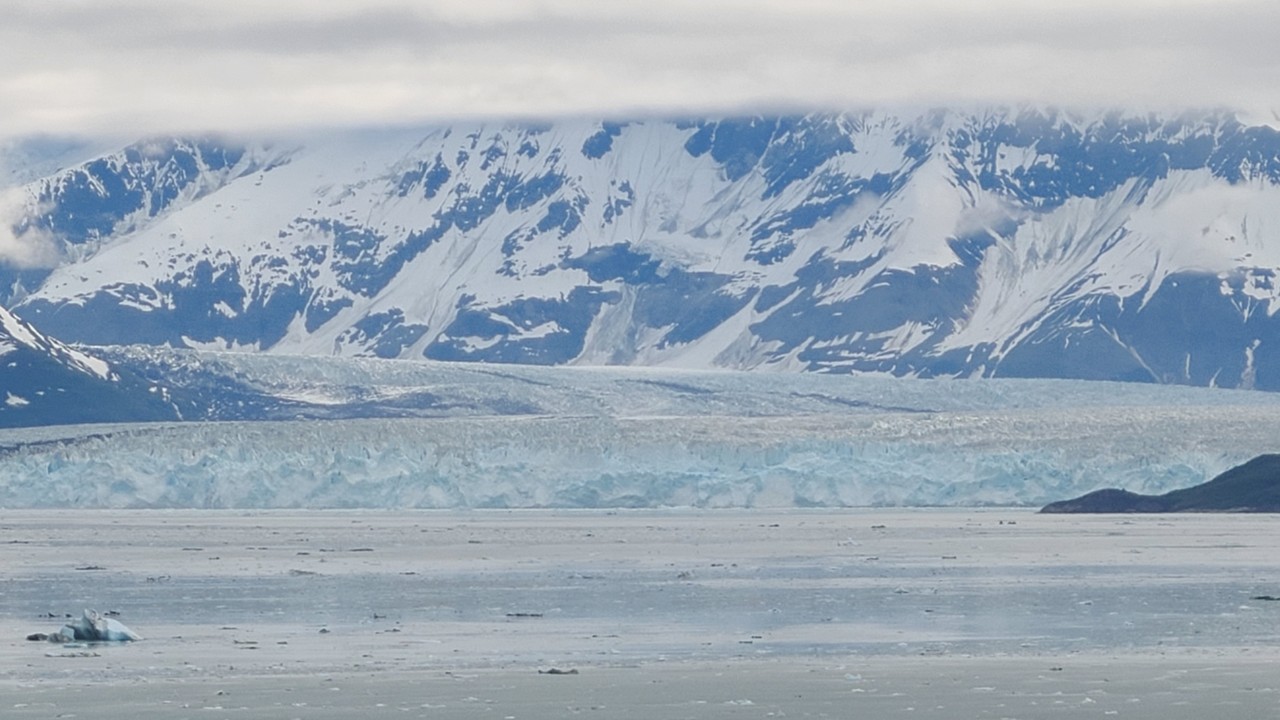
Hubbard Glacier is Alaska’s largest tidewater glacier — a massive river of ice, stretching between the mountains down to the sea. Unlike most glaciers worldwide, Hubbard is still advancing, driven by heavy snowfall in the Saint Elias Mountains — a range that includes some of the tallest peaks in North America.
The glacier’s face is 6 miles wide and 76 miles long, and its ice can be over 400 years old. When the glacier calves, the sound is like thunder — a deep, resonant crack that echoes across the bay. The floating ice around the ship is part of a natural cycle that has shaped the coastline for millennia. Clouds hung low over the mountains, creating a dramatic backdrop that made the glacier’s blue ice glow even brighter.
The rest of the day aboard ship was filled with foosball, Nintendo games, World Cup soccer, horse racing, and more napkin folding — capped by a lively New Orleans second line parade at dinner and a chance to meet the chef.
July 3 — Seward → Anchorage → Talkeetna: Marine Science and Mountain Country
We disembarked the ship at Seward to experience Alaskan life.
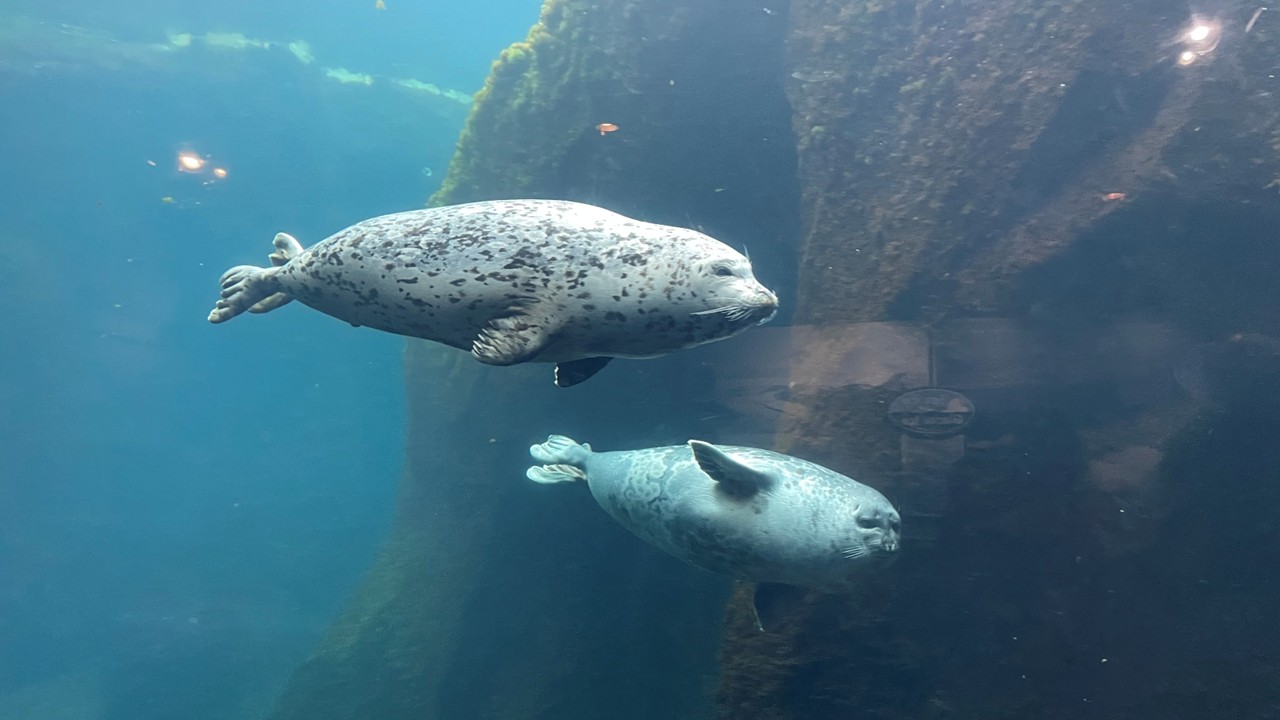
Seward sits at the head of Resurrection Bay, a deep fjord carved by glaciers. The Alaska SeaLife Center plays a crucial role in marine research, rehabilitation, and conservation. Learning about endangered Cook Inlet belugas — a genetically distinct population that remains isolated year round — added depth to the wildlife we had seen earlier in the trip.
Anchorage, Alaska’s largest city, is built on Dena’ina Athabascan land. The Anchorage Museum blends Indigenous art, Arctic science, and hands-on learning, offering a window into Alaska’s cultural and ecological complexity.
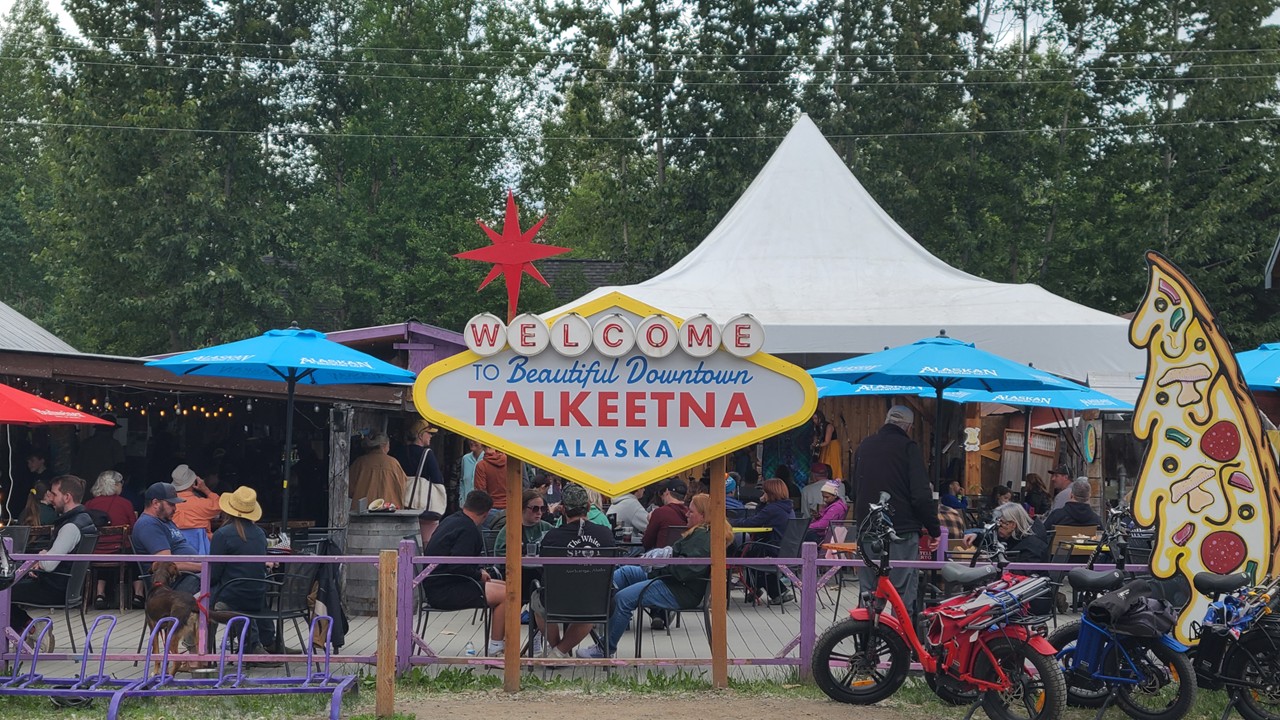
The drive to Talkeetna followed the Susitna River valley, long used by Indigenous travelers. Talkeetna began as a railroad town in 1916 and is now famous for its views of Denali — North America’s tallest peak at 20,310 feet. On clear days, the mountain appears impossibly large, rising above the Alaska Range like a white monolith.
The town was lively that evening with music, museums, restaurants, and ice cream treats.
July 4 — Talkeetna → Denali: Rail Through the Interior
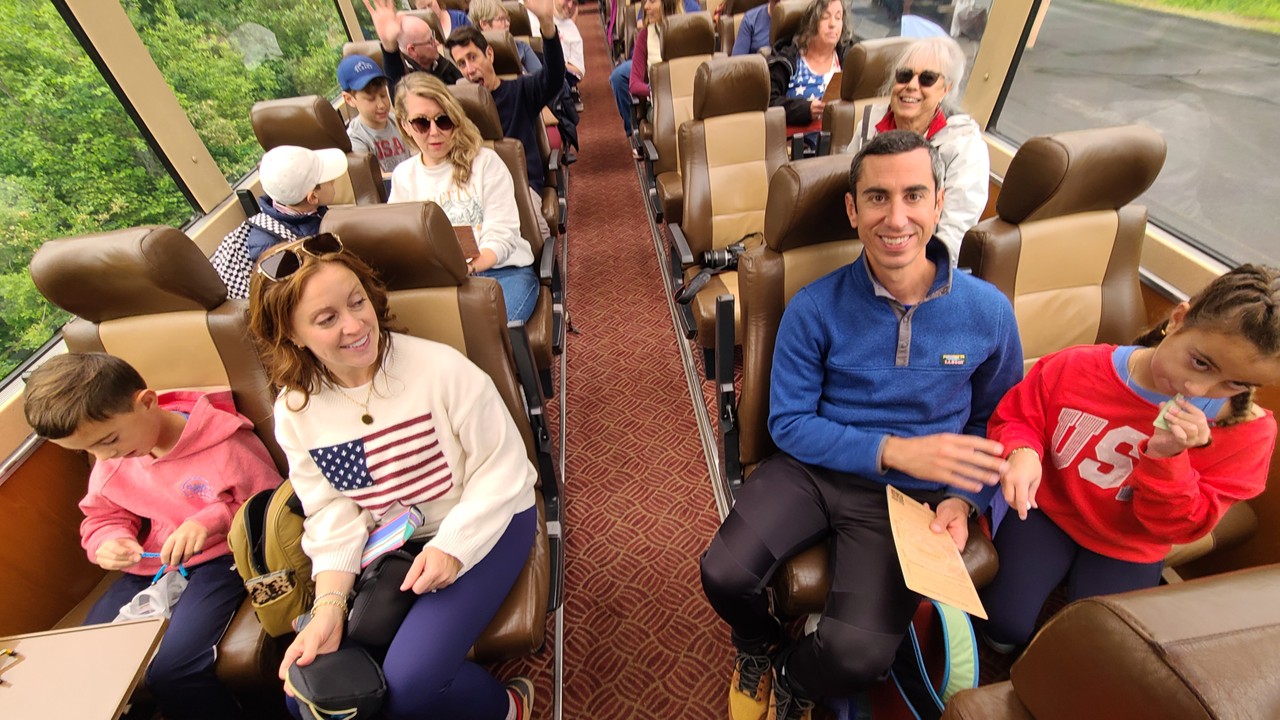
The Wilderness Express railcar carried us north through boreal forest — the largest land biome on Earth. Spruce, birch, and willow lined the tracks, while rivers braided their way through gravel bars shaped by glacial melt.
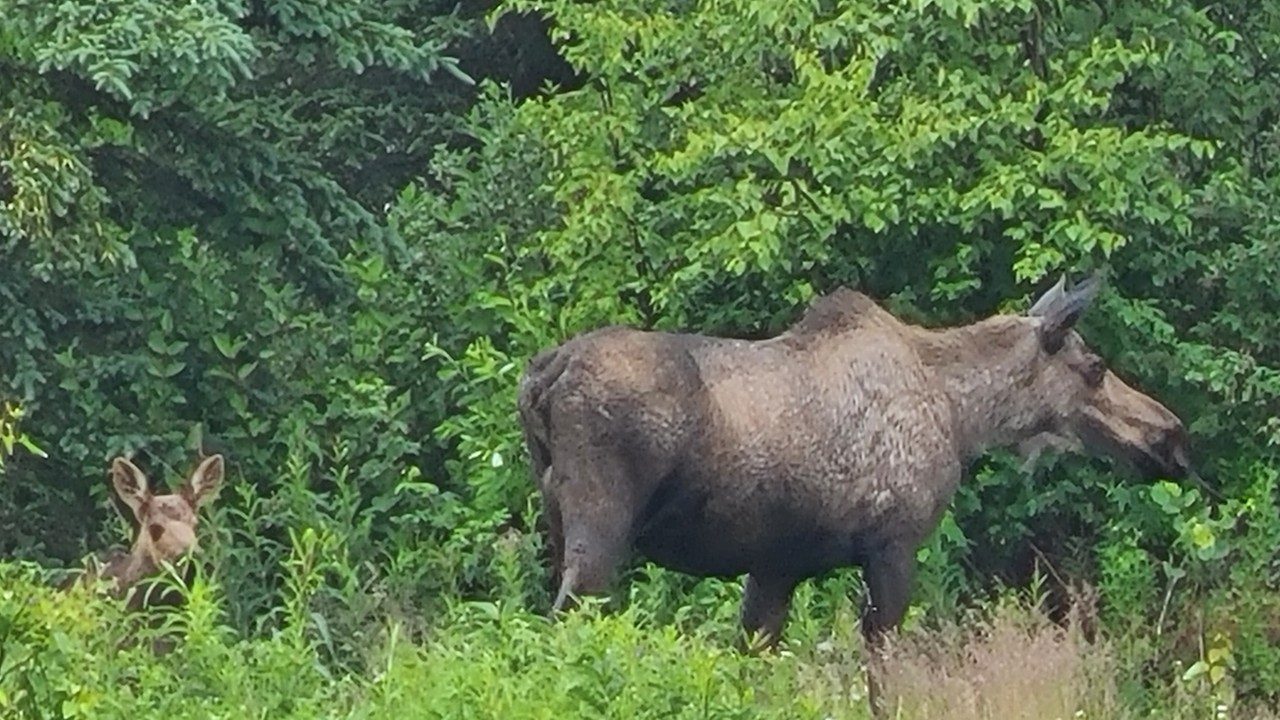
Rail travel in Alaska has a storied history. The Alaska Railroad was built between 1914 and 1923, connecting Seward to Fairbanks and opening the interior to commerce and settlement. Today, it remains one of the most scenic rail routes in the world. Spotting our first moose from the glass topped observation seats, to mocktails and cocktails while we had a lively guided tour of the countryside followed by a delicious lunch made to order in the dining car.
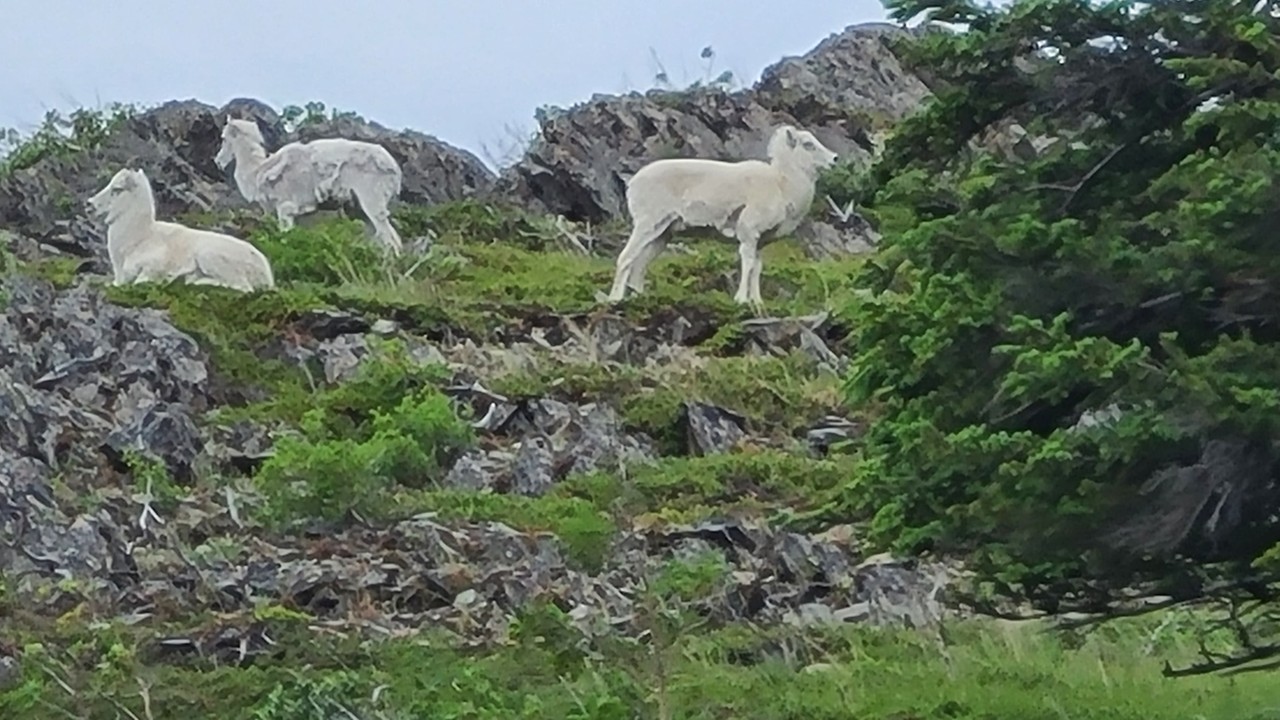
Arriving in Denali, the wilderness felt immediate. Moose moved quietly through tall grass, their presence a reminder that this landscape belongs first to wildlife. The evening’s s’mores gathering added warmth and simplicity to a day filled with grandeur.
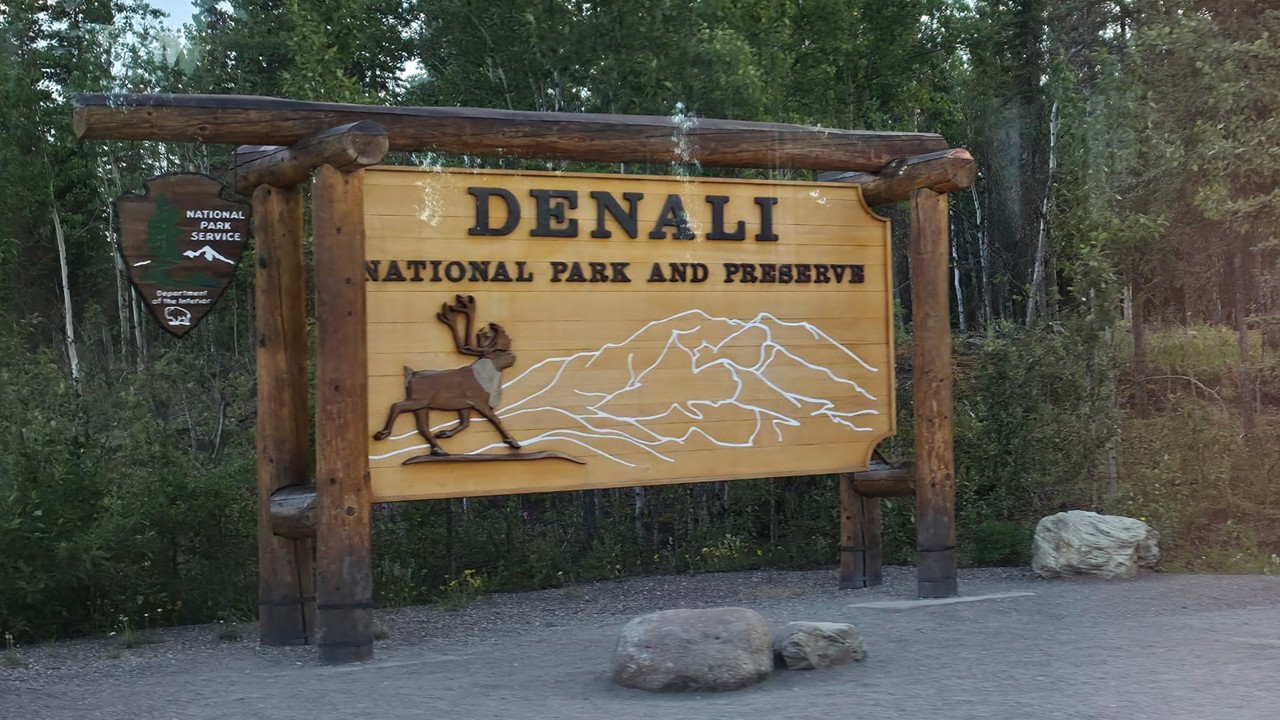
July 5 — Denali → Anchorage: Trails, Dogs, and the Long Road South
Denali National Park is larger than the state of New Hampshire, yet it has only one road — a design that protects the ecosystem and keeps human impact minimal. The guided hike offered insight into geology, flora, and wildlife, from glacially carved valleys to tundra plants adapted to extreme cold.
The visit to a working dog kennel highlighted the role of sled dogs in Alaska’s interior. The Iditarod Trail, now famous for racing, was once a lifeline for remote communities. Learning about training, endurance, and the bond between mushers and dogs added depth to the cultural significance of sled dog traditions.
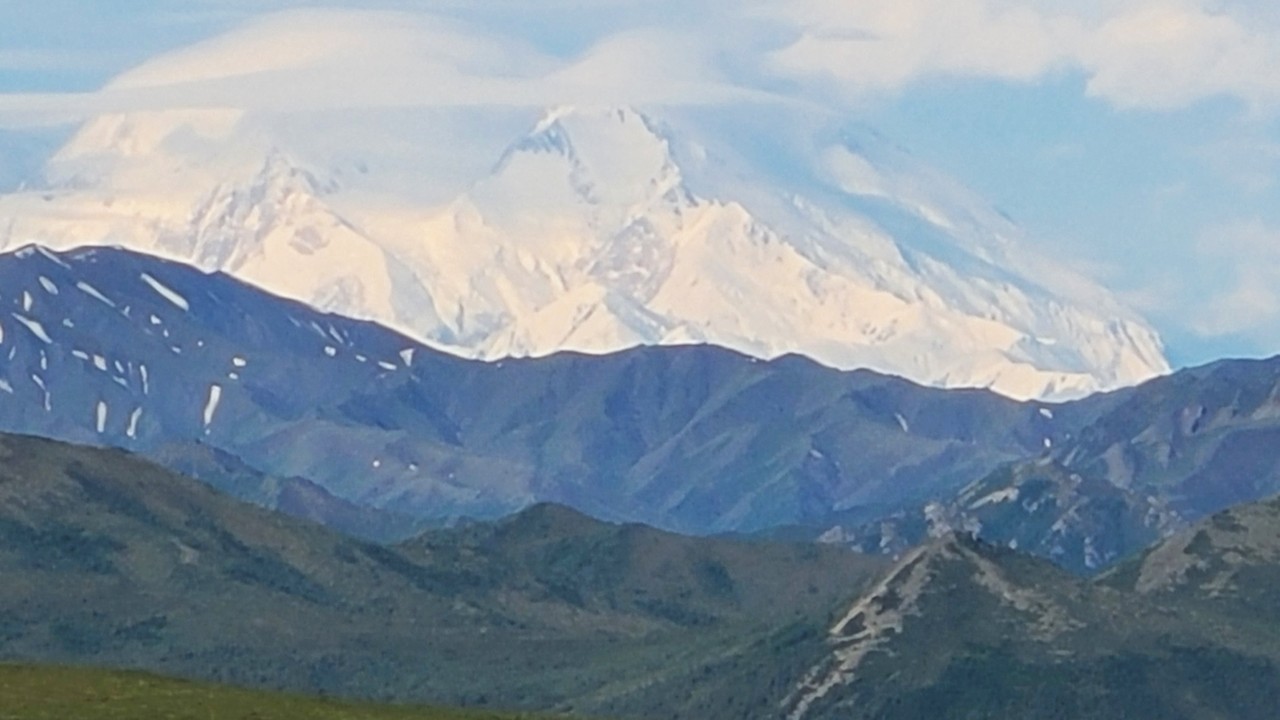
Anchorage welcomed us back with coastal trails and mountain views — a gentle transition from wilderness to city.
July 6 — Homeward Bound
Flights departed throughout the day, carrying the family back across the continent. The journey ended, but the stories — of glaciers, wildlife, culture, and shared discovery — remained.