September 4 – Departure: From D.C. to Doha
Our odyssey began with a metro ride to Dulles Airport, the gateway to distant horizons. Qatar Airways carried us eastward, but not before we indulged in the Etihad Lounge’s gourmet offerings—cocktails and delicacies fit for explorers about to cross oceans. After a brief delay, the engines roared, and we lifted off toward the Indian Ocean, chasing the same trade winds that once guided spice merchants and explorers centuries ago.
September 5 – Doha: Pearls, Bears, and Midnight Wandering
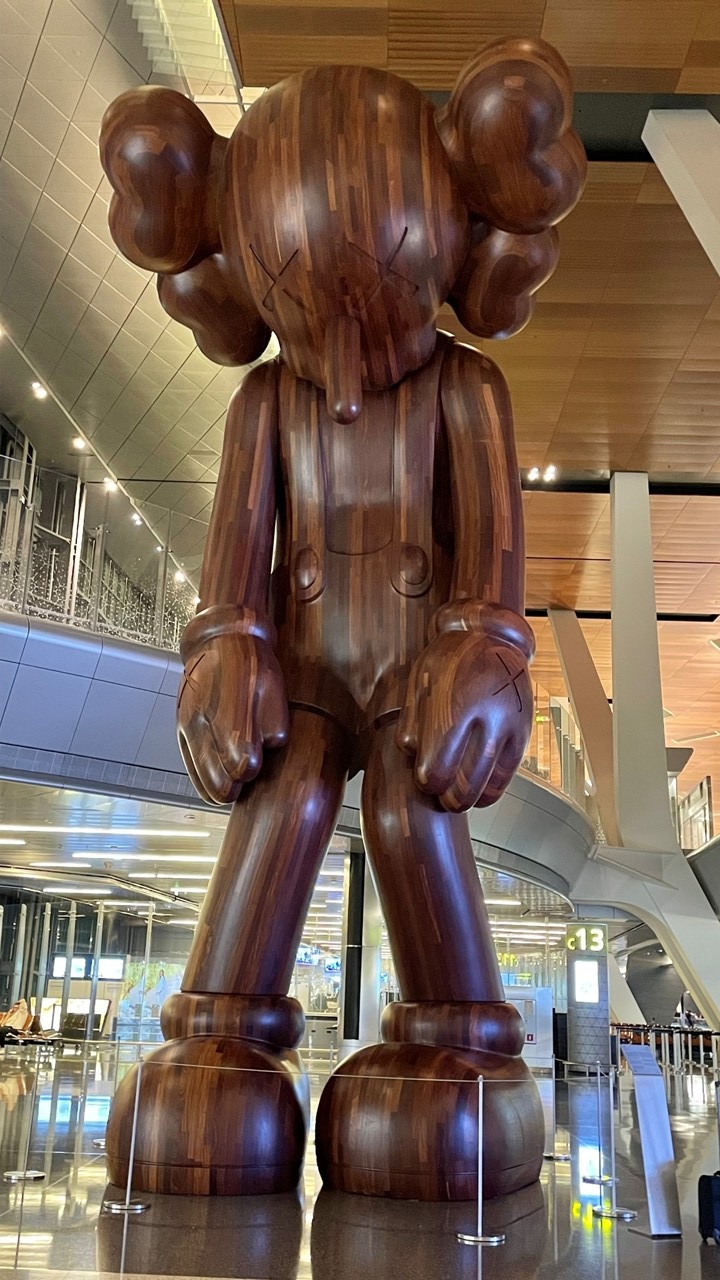
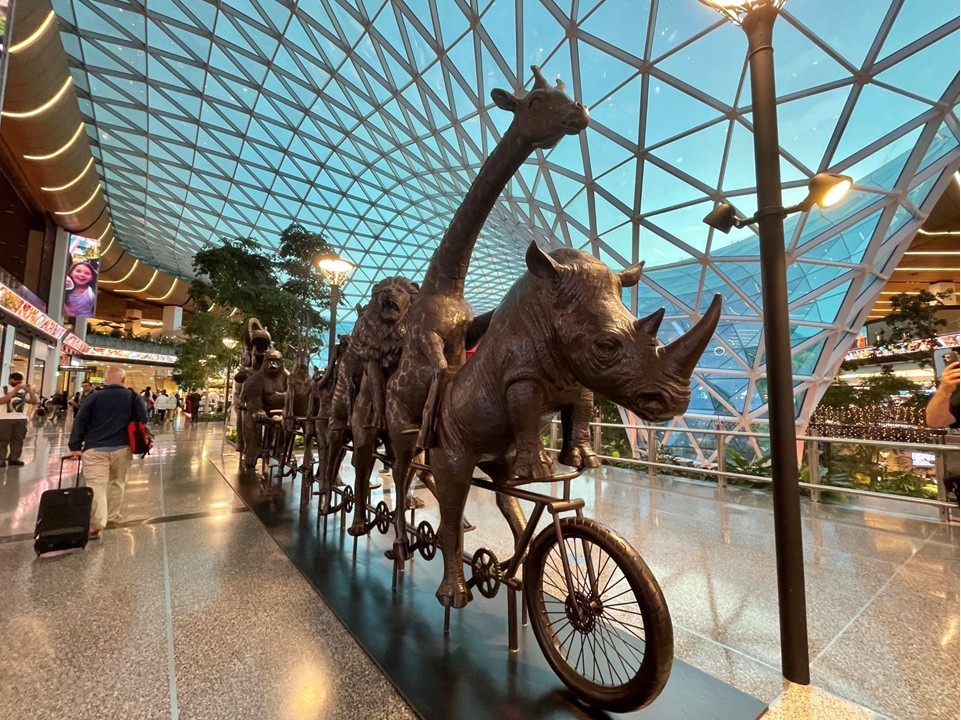
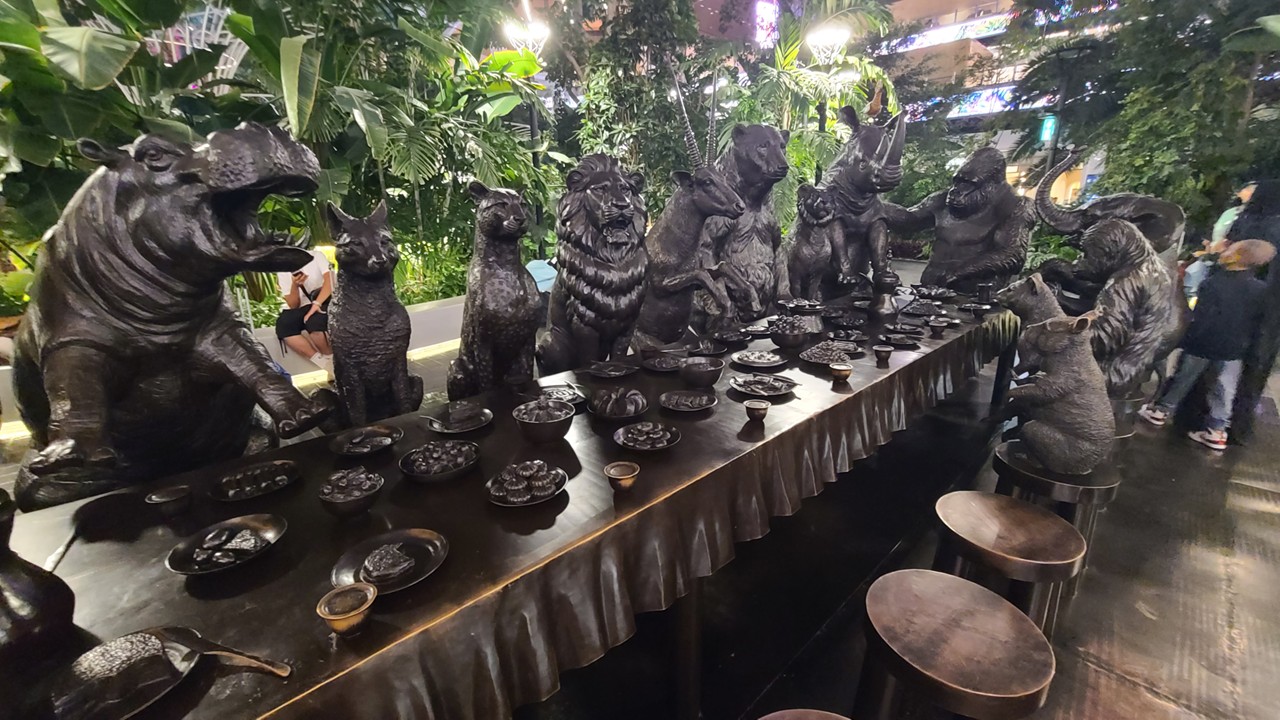
Touching down in Doha, we reunited with Mary Jane, our steadfast companion in adventure. Hamad International Airport unfolded like a modern bazaar of wonders: Urs Fischer’s surreal $6.8 million teddy bear sculpture loomed like a guardian of dreams, while shimmering pearl installations paid homage to Qatar’s pearl-diving heritage—a trade that sustained the Gulf long before oil reshaped its destiny. We wandered past lush indoor gardens and whimsical sculptures, refreshed in the Al Maha Lounge, before strolling through boutiques that echoed the grandeur of caravans past.
September 6 – Arrival in Seychelles: Island Hopping Begins
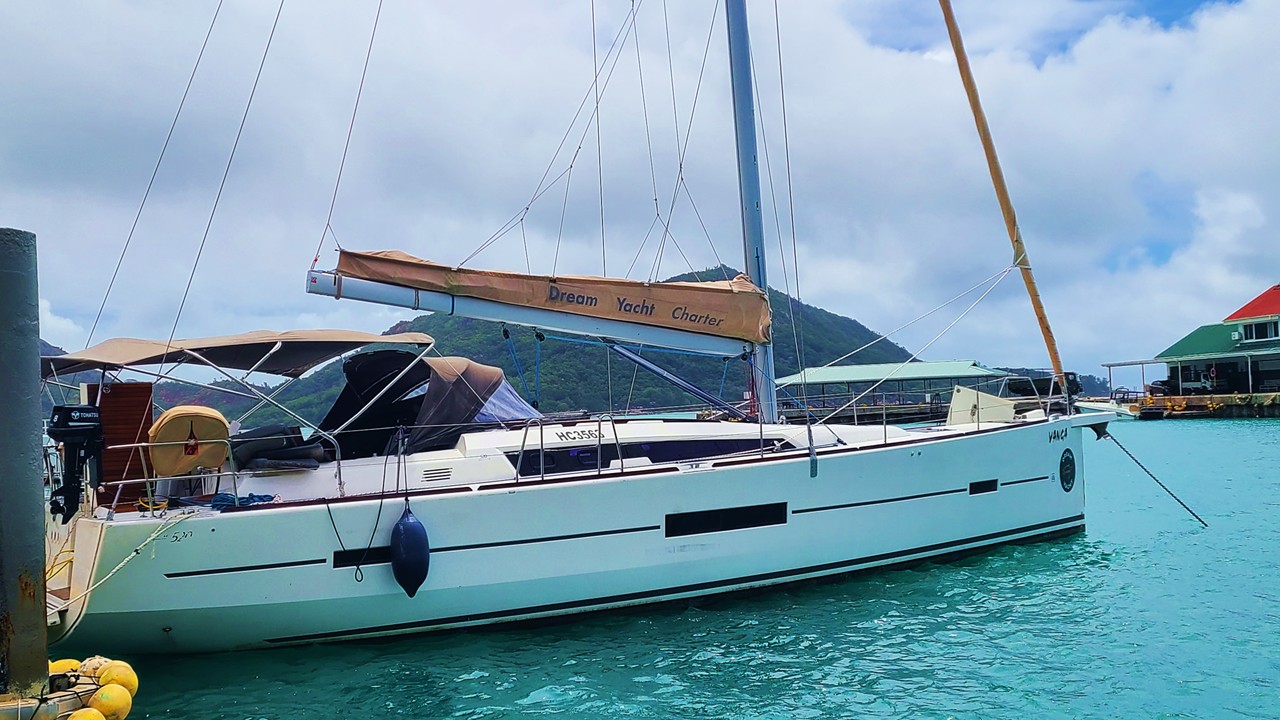
Mahé welcomed us with granite peaks rising from emerald rainforests. Once a French colony, later British, the island still bears traces of its colonial past—Victoria, its capital, remains one of the smallest in the world, and cars keep to the left in memory of British rule. A short hop on a twin-prop plane carried us to Praslin, where coral reefs shimmered beneath us like jeweled necklaces. At Baie St Anne Marina, we met our 52” Dufor monohull sailing vessel, the Vanga. But first, a Creole feast at Côte d’Or—grilled fish, prawns, chicken, and lamb overlooking Anse Volbert’s turquoise waters. Provisioned and eager, we claimed our cabins and prepared for the voyage ahead.
September 7 – La Digue: Jib Troubles and Ox Cart Nostalgia
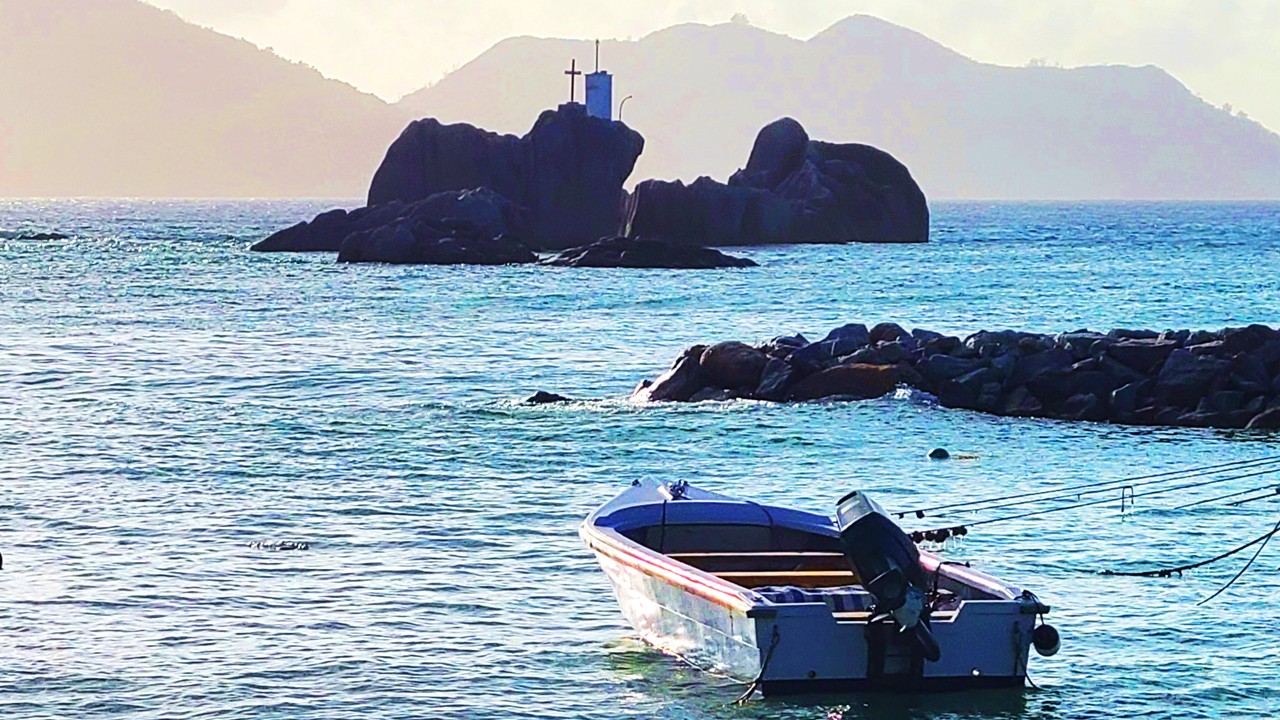
The sea tested us early. At Grande Soeur, our jib furler line snapped, forcing us onward to La Digue for repairs. Mechanics hand-sewed the line back together—a reminder that sailing, like history, often demands patience and resilience. La Digue itself felt like a time capsule: named after an 18th-century French ship, the island still honors its ox carts, once the lifeblood of transport. With no cars, only bicycles and carts, La Passe village offered colonial-era charm beneath coconut palms. We dined at the Fish Trap, feasting on seafood before returning to the Vanga for a game of playing cards and camaraderie.
September 8 – Curieuse Island: Tortoises and Coco de Mer
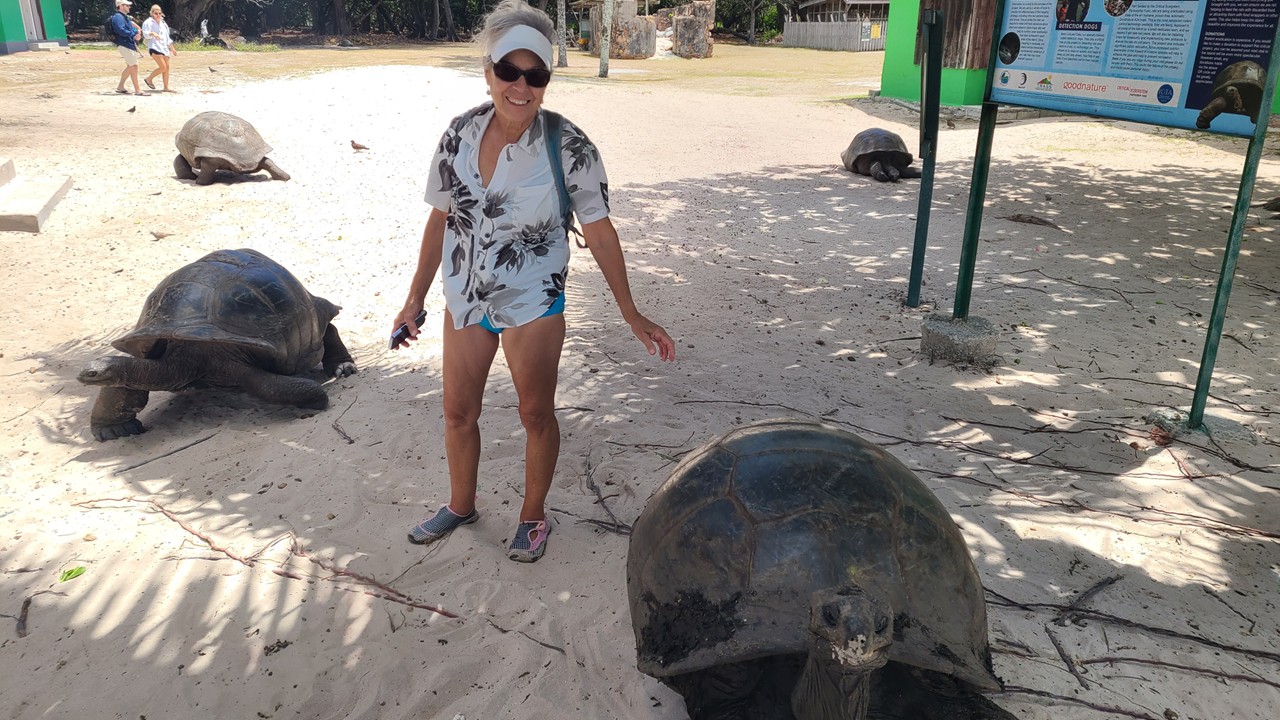
Curieuse Island rose from the sea, its red soil and granite outcrops glowing in the sun. Once a leper colony in the early 1900s, it is now a sanctuary for Aldabra giant tortoises—living relics of deep time. We walked among them, feeding bananas and scratching chins, marveling at their slow majesty. Here too grows the legendary Coco de Mer, whose double coconut—the largest seed in the world—was once believed to hold mystical powers. Declared a Marine National Park in 1979, Curieuse preserves both nature and history. That night, anchored at Anse Lazio, we grilled chicken over our stern-mounted charcoal grill, the stars above as our canopy.
September 9 – Anse Lazio: Snorkeling and Aussie Hospitality
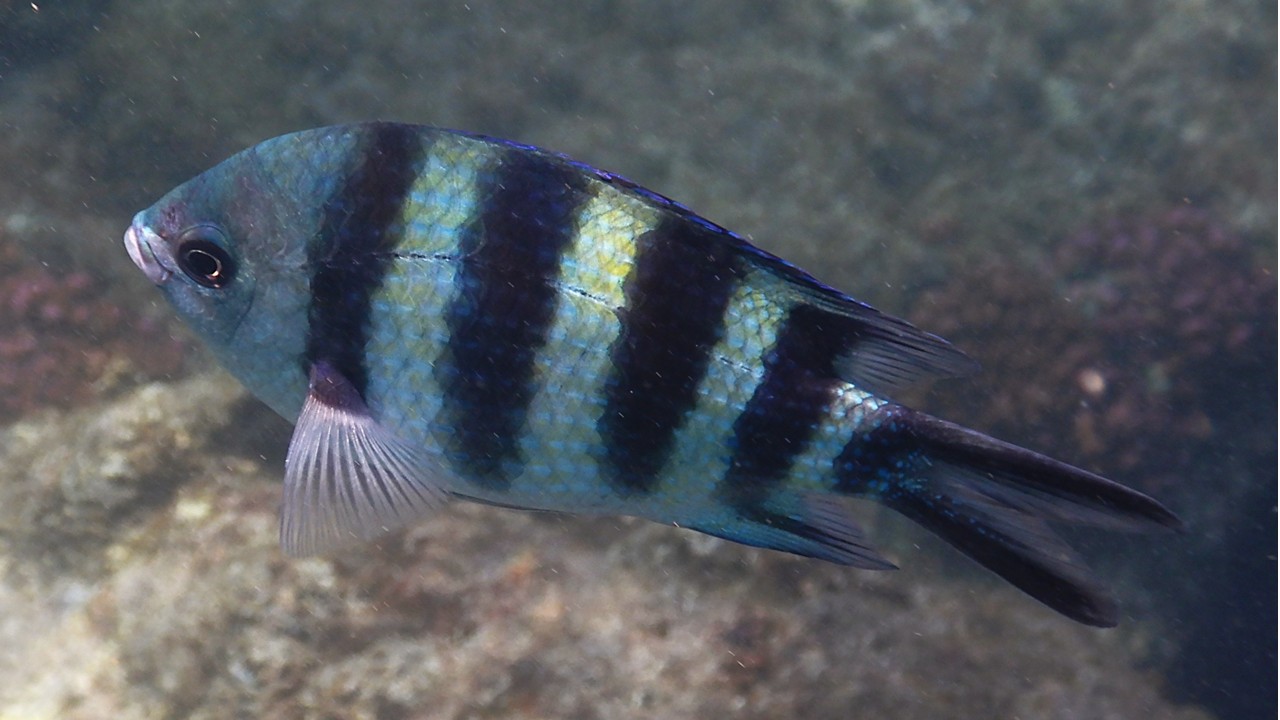
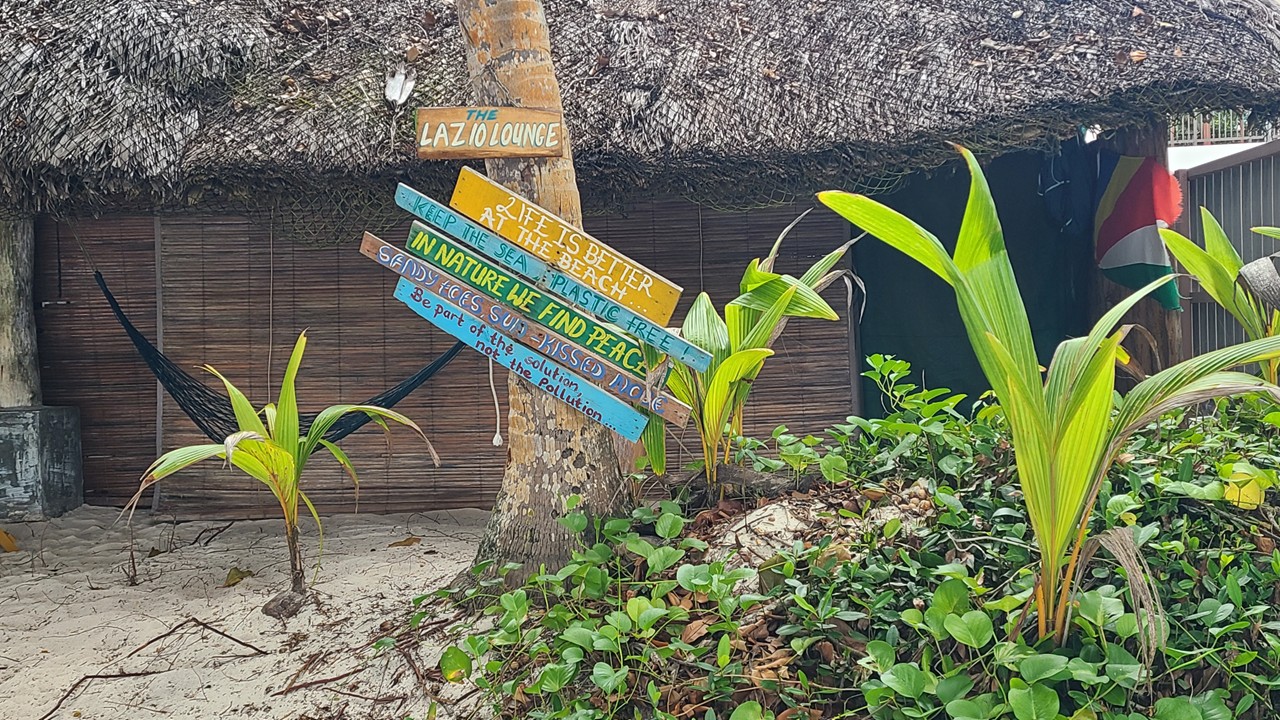
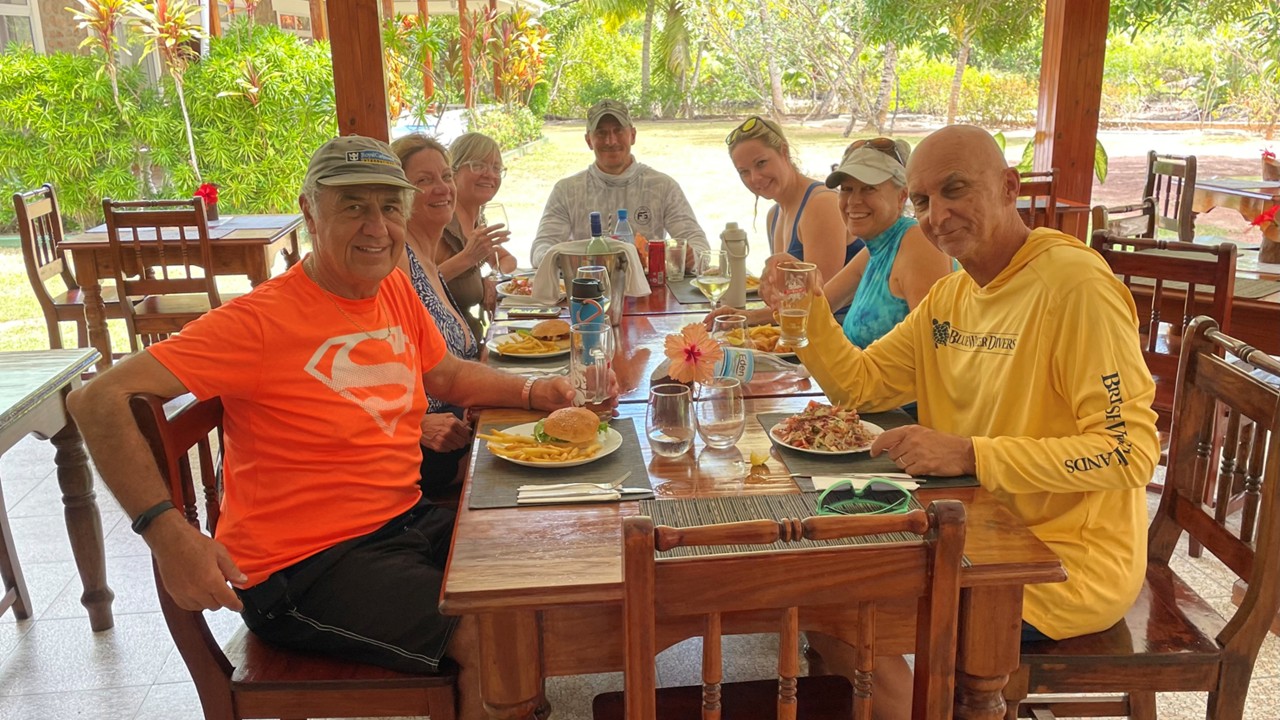
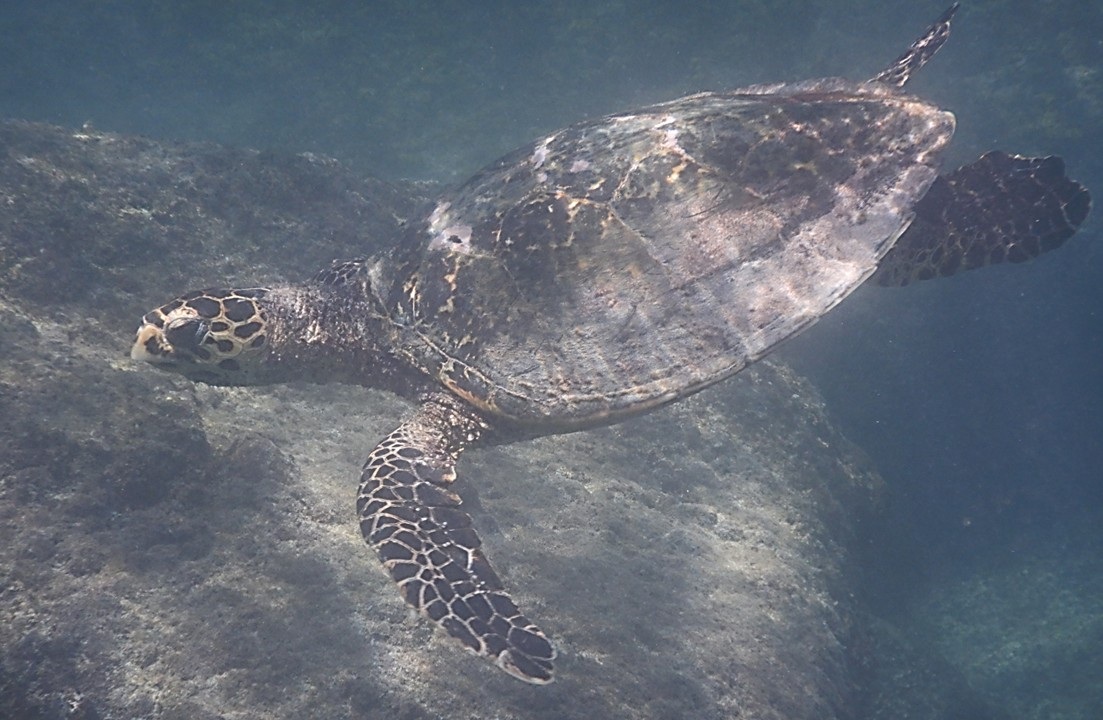
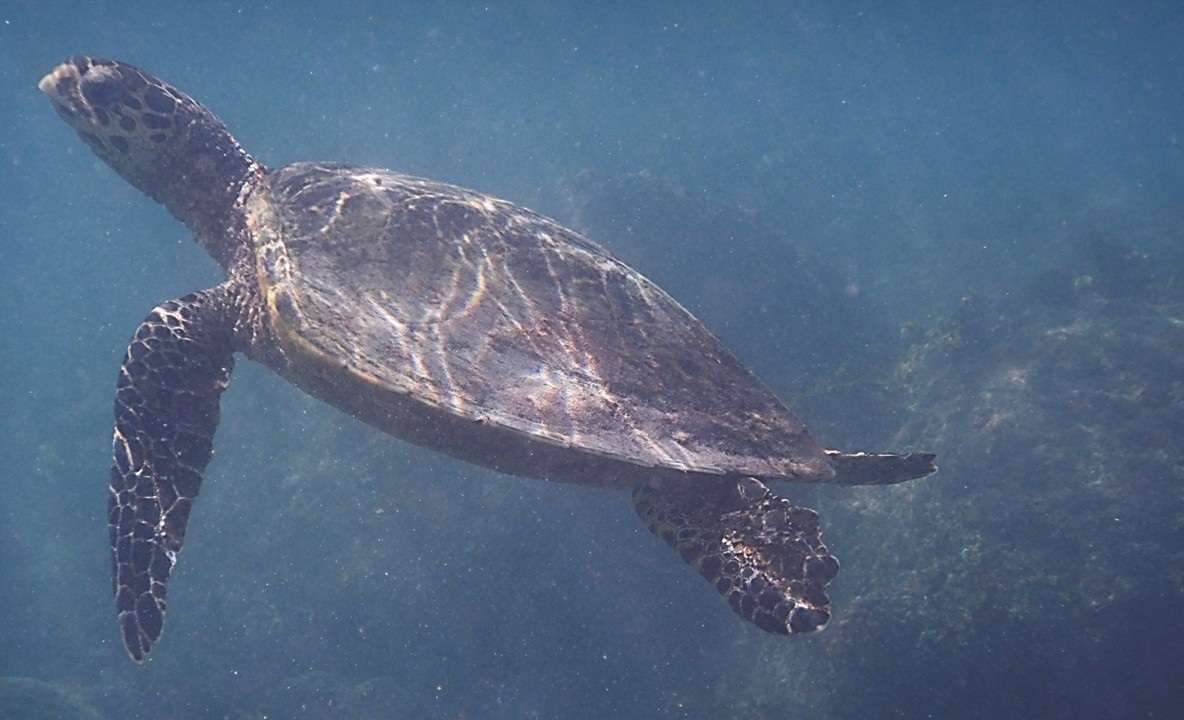
Anse Lazio, often hailed as one of Earth’s most beautiful beaches, dazzled with white sands and granite boulders. Named after Italy’s Lazio region, it whispered of early settlers. We swam and snorkeled among damselfish, moray eels, rays, and sea turtles gliding through seagrass meadows. Later, we lunched at Chevalier Bay Restaurant, run by an Aussie whose menu celebrated the sea—fish, octopus, prawns, and even a rare apple imported from Australia. That evening, anchored at Grande Volbert, we grilled burgers and played Uno-Flip, laughter echoing across the bay.
September 10 – St Anne Island: Marine Park Wonders
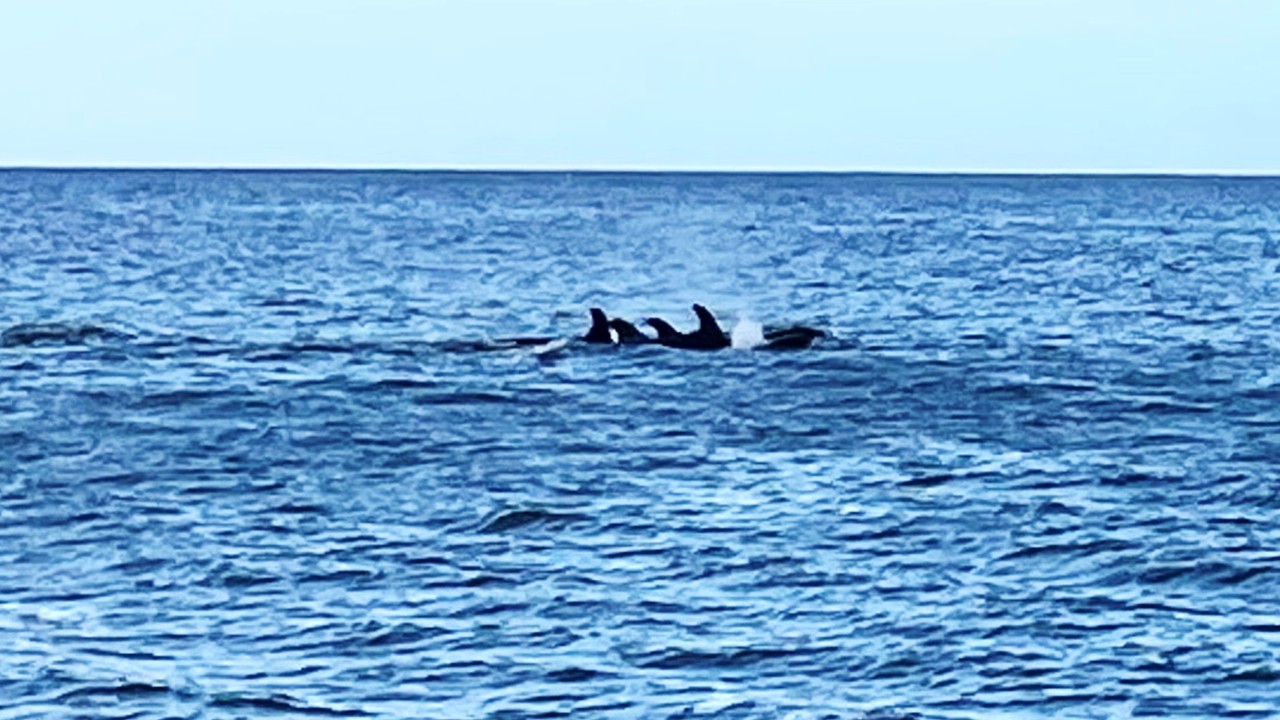
After a six-hour sail, we reached St Anne Marine National Park, the first of its kind in the Indian Ocean (est. 1973). Once a quarantine station for ships, the island now protects coral reefs and marine life. Snorkeling among coral heads, we were astonished by a pod of 50+ false killer whales leaping beyond our stern—sleek, black giants of the sea, heirs to the ocean’s mysteries.
September 11 – Félicité Island: Flying Foxes at Dusk
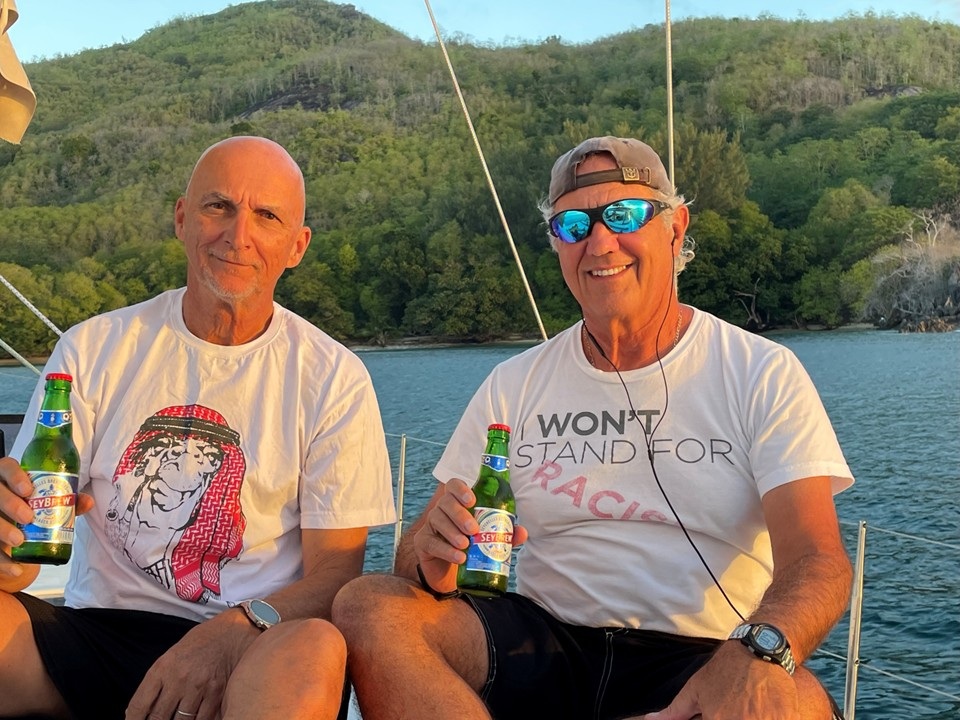
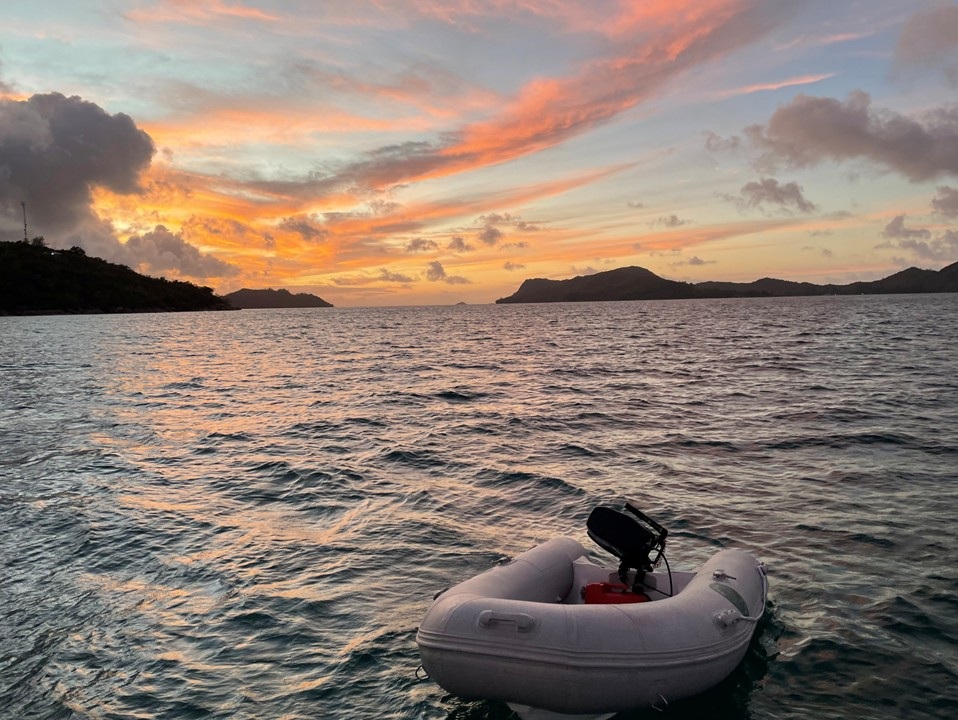
We passed Ile aux Cocos, famed for turtles and rays, before anchoring at Félicité. Once a coconut plantation, today it is a luxury eco-resort with a heliport and aerial arrivals. At dusk, giant fruit bats—the Seychelles flying foxes—swooped overhead, their 4-foot wingspans silhouetted against the fading sky. Vital pollinators, they are both revered and hunted, a reminder of the fragile balance between tradition and conservation. Dinner was grilled chicken and pasta, followed by cards beneath the stars.
September 12 – Grande Soeur: Private Paradise
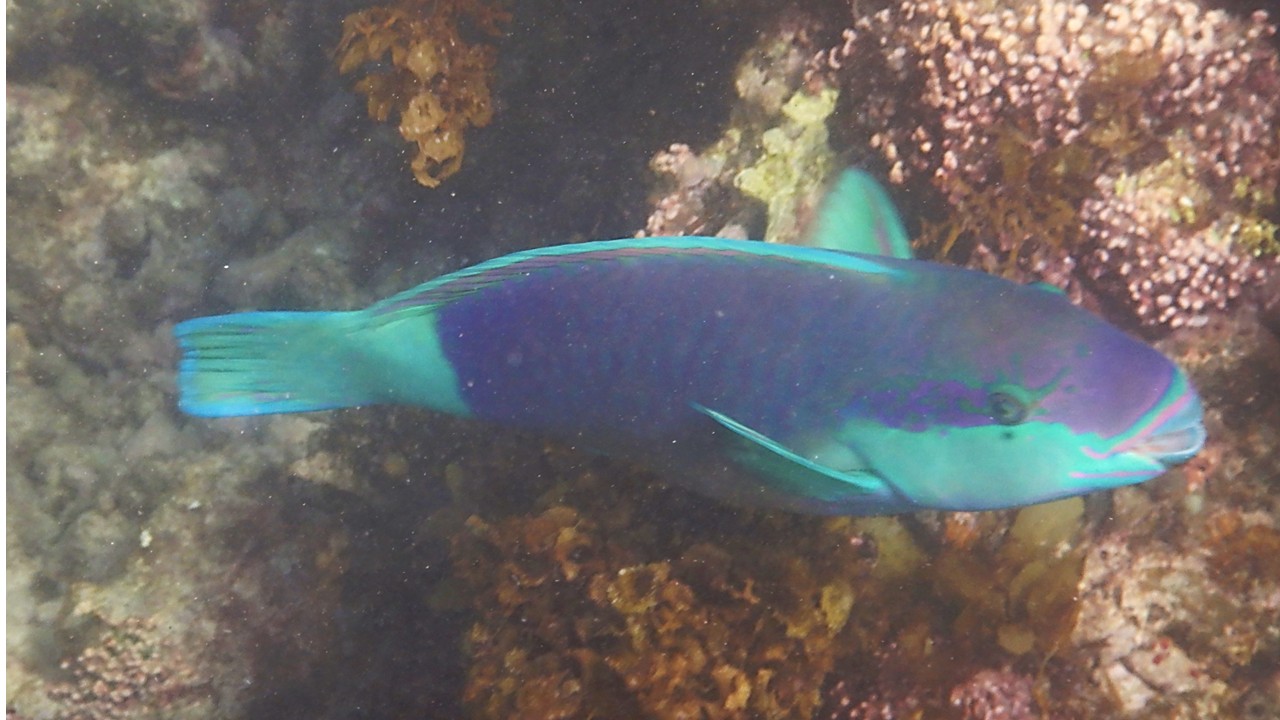
Grande Soeur, or Big Sister Island, offered pristine beaches and coral reefs. Once a plantation, now a private resort, it felt like paradise preserved. We swam among reef fish before returning to Anse Lazio, where dinghy beach landings proved challenging and splashy—Nikki especially took a soaking, but we all survived. The Mabuya Beach Bar welcomed us with Creole fare and cold drinks, a fitting finale to our island-hopping.
September 13 – Farewell to the Seychelles
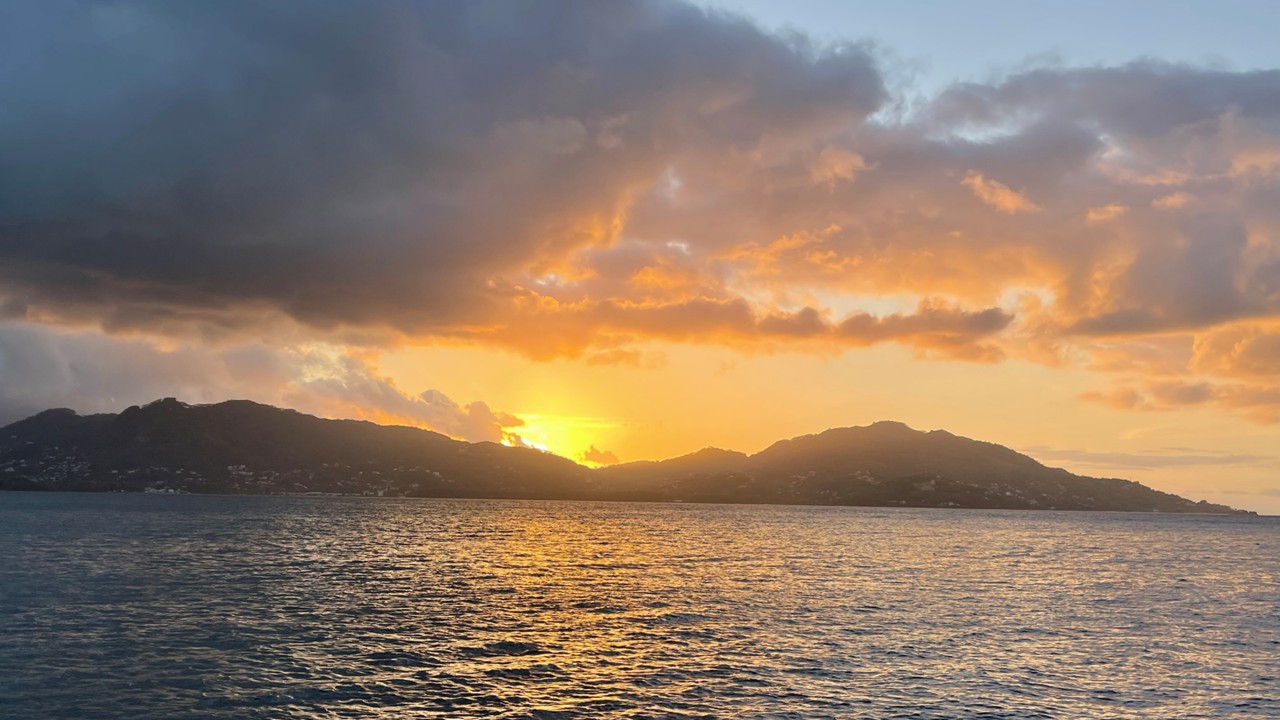
Back at Paie Ste Anne Marina, we packed and savored a final lunch at Le Doc Café des Art. Air Seychelles shifted our flights earlier, granting us more time to connect in Mahé. The islands receded behind us, but their memory lingered—granite peaks, tortoises, and turquoise seas etched into our souls.
September 14 – Homeward Bound
A 5.5-hour flight to Doha marked our farewell to the Indian Ocean. After hugs and goodbyes, we boarded the long 15-hour journey to Dulles International Airport. By noon, we were home—sun-kissed, salt-sprayed, and forever changed by the timeless islands of the Seychelles.