Eastern Australia and Tasmania

Part 4: Tasmania – from West to East & Hobart

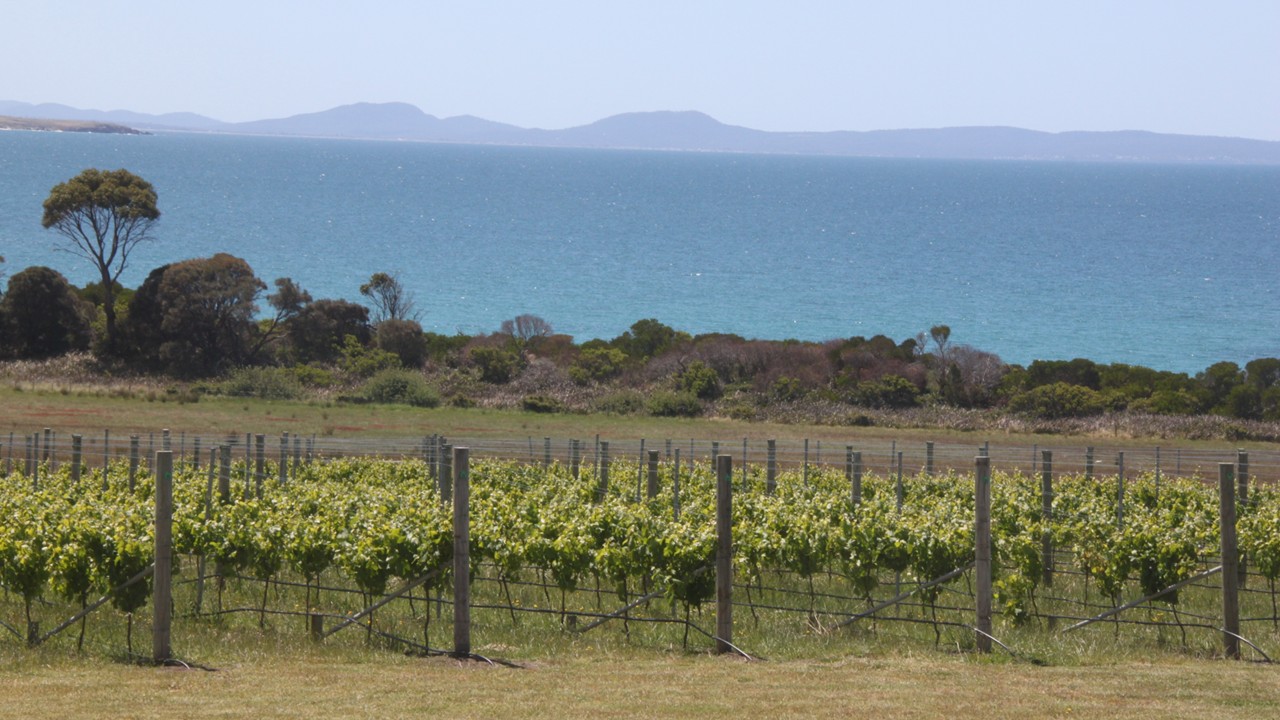
The next morning we had an early breakfast so that we could begin our long van ride back to the east coast of Tasmania. The morning was characterized by raining buckets, and all of the luggage had to be moved from our rooms on the pier to the vans via covered golf carts. We departed Pumphouse Point and drove 1-hour before stopping at a fuel station for a bathroom break. Then, 2-hours later we stopped again – this time in the town of Campbell – the cross roads of Tasmanian highways, and a place where the convicts were originally sent to work in the Australian penal colony. Those that were interred and that died here are memorialized by bricks with their names, crimes and sentences etched in the sidewalks located around the town. After a quick local coffee, we are back in the vans until we stop at the Craigie Knowe Vineyard in Cranbrook for a delicious lunch and a wine tasting. Craigie Knowe is the oldest vineyard ion the East Coast of Tasmania, and was started in 1979 by John Austwick, a dentist. In 2013, father and son Glenn & Alex Travers were in the area and decided to bring new life to this now broken-down vineyard. It took 3 years to produce the first grapes – 12 tons but they were on their way and, in 2016, they produced 22 tons of grapes and 25 tons the year after. Next they bought the vineyard next door and today they operate the restaurant, Flora’s, which was where we were having lunch and tasting wine. For lunch, we ate scallops and calamari followed by duck and flat iron steak, all while tasting 6 different wines and then taking a walking tour of the 12-acre vineyard.

Sisters at Craigie Knowe Vineyards
Cgaigie Knowe vines in Eastern Tasmania
Hiking Cole’s Bay beach to Freycinet Lodge

After lunch, we boarded the vans for a 45-minute drive Cole’s Bay at Freycinet National Park. After arriving at the Bay, we hiked a mile on the beach to the spectacular Freycinet Lodge overlooking the bay where we would stay for the next 2 days. After showering we headed to The Bay Restaurant for a family style meal of pork and fish. Tomorrow will be a hiking day.

We began Saturday morning with a leisurely breakfast before receiving a talk about the day’s activities and options, and each receiving a box lunch. The day’s plan is to hike to Coles Bay Lookout and the on to the Wine Glass Bay Lookout in the very popular Freycinet National Park. The hike begins at the hotel where we leave on the trail at 8:30am. The 4 of us leave before the rest of the group to beat the heat of the day, leaving our boxed lunches in our room as we should be back before noon.
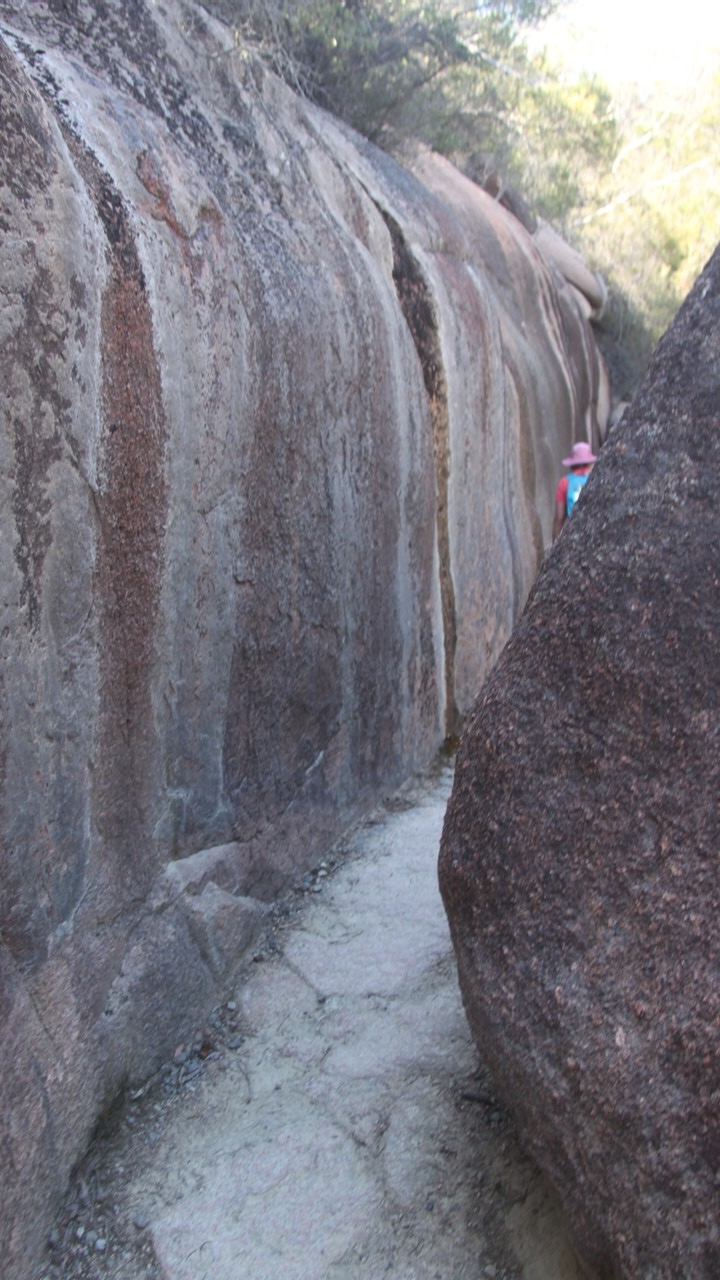
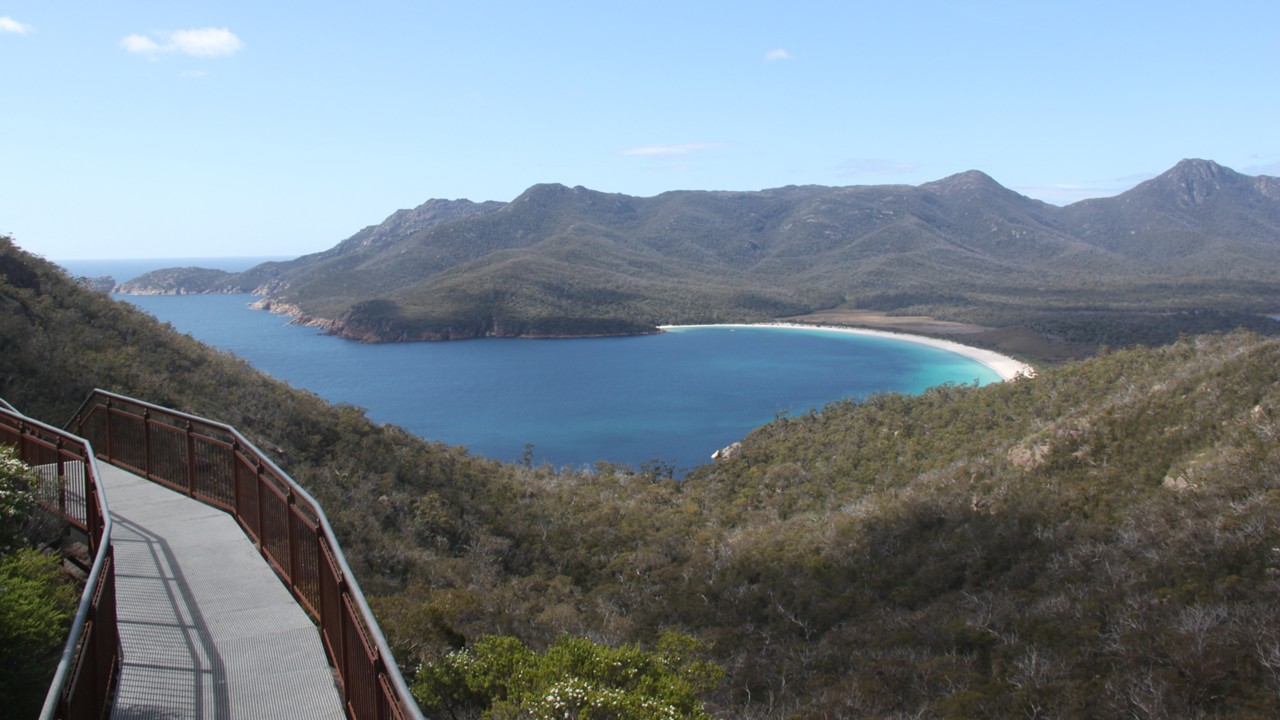
The trail to Wineglass Bay and Lookout
A view of Wineglass Bay

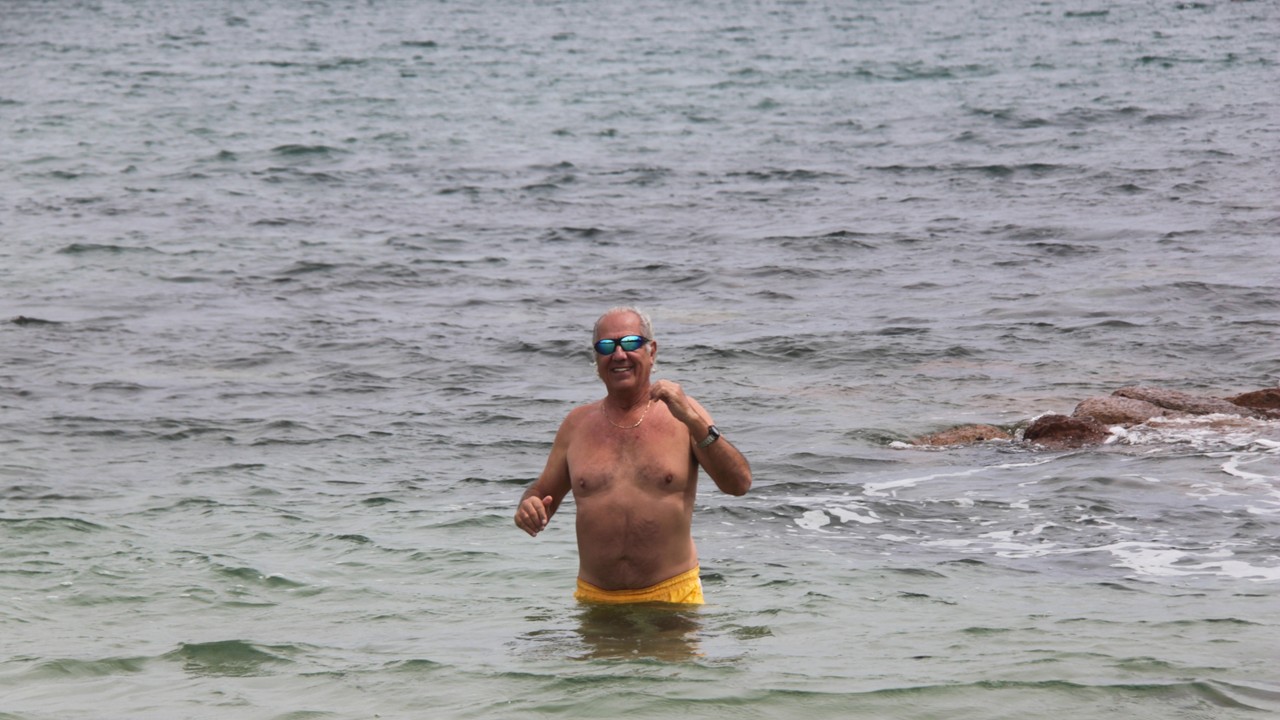
The hike is a five-mile round-trip walk along trails and boardwalks to and from the lookouts. Along the way, we saw a wallaby and a few geckos. It was a sunny and breezy morning, and the hike was uneventful, although there were a lot of steps to climb, (700 ft climb in altitude). The scenic overlooks were fantastic with views of beautiful blue water harbors and extensive beaches. After returning and eating our lunches, we played a few rounds of the card game “Euchre”, before heading back down to Coles Bay Beach to look for sea glass and shells. Rocky jumped in the water and found it was not as cold as it looked. Then we returned to the hotel for snacks, wine, and cards. Dinner that night was at Richardson’s Bistro and consisted of oysters and grilled mushroom appetizers with salmon and pumpkin ravioli. 
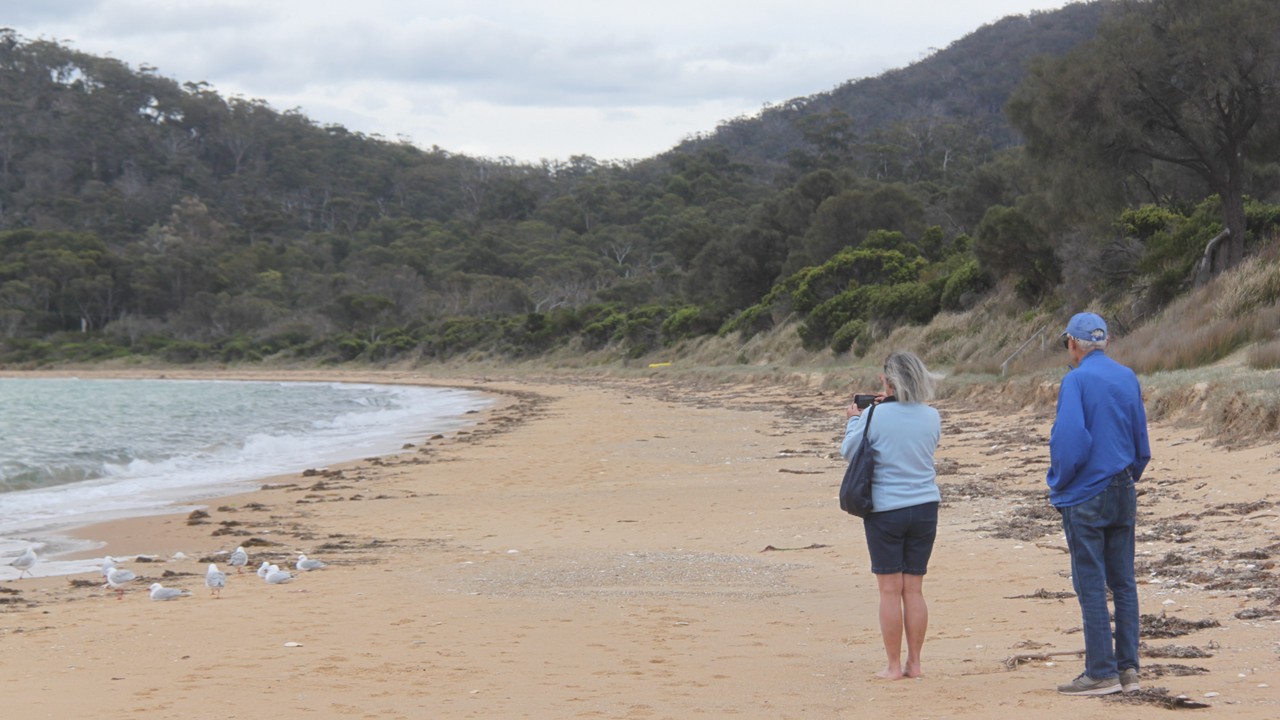
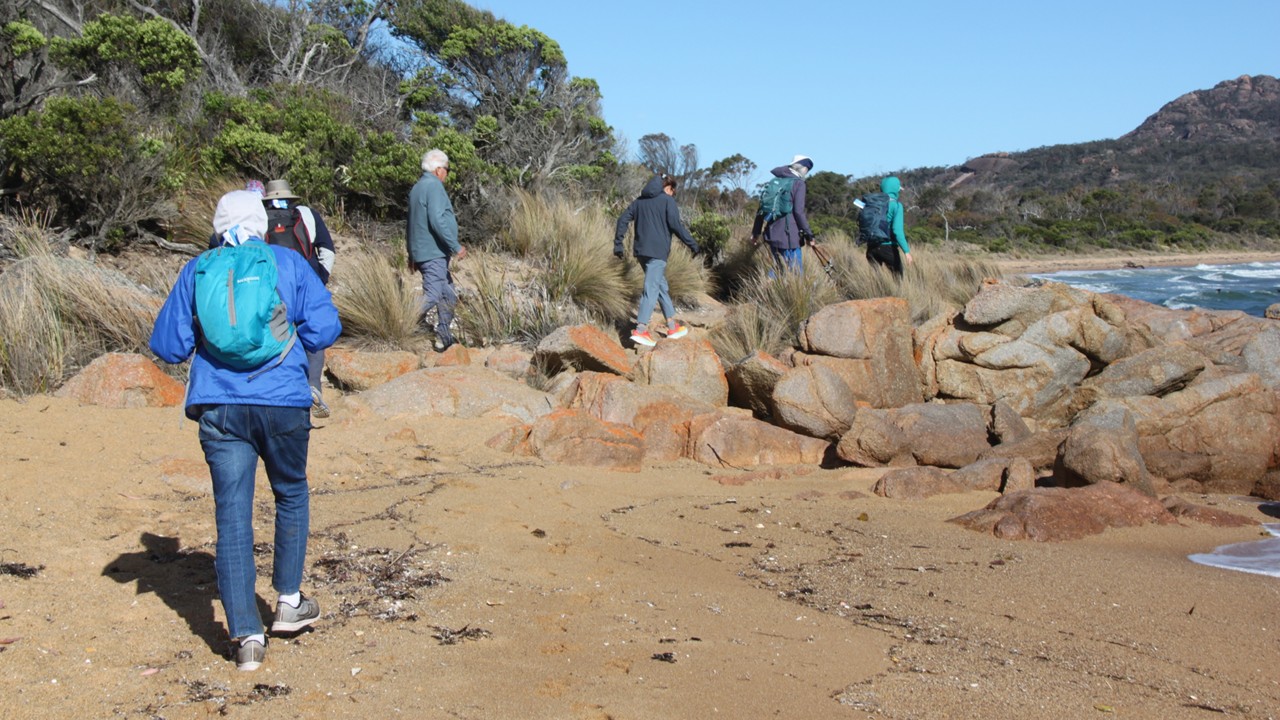
Exploring Cole’s Bay Beach
Rocky swimming in the cold waters of Cole’s Bay
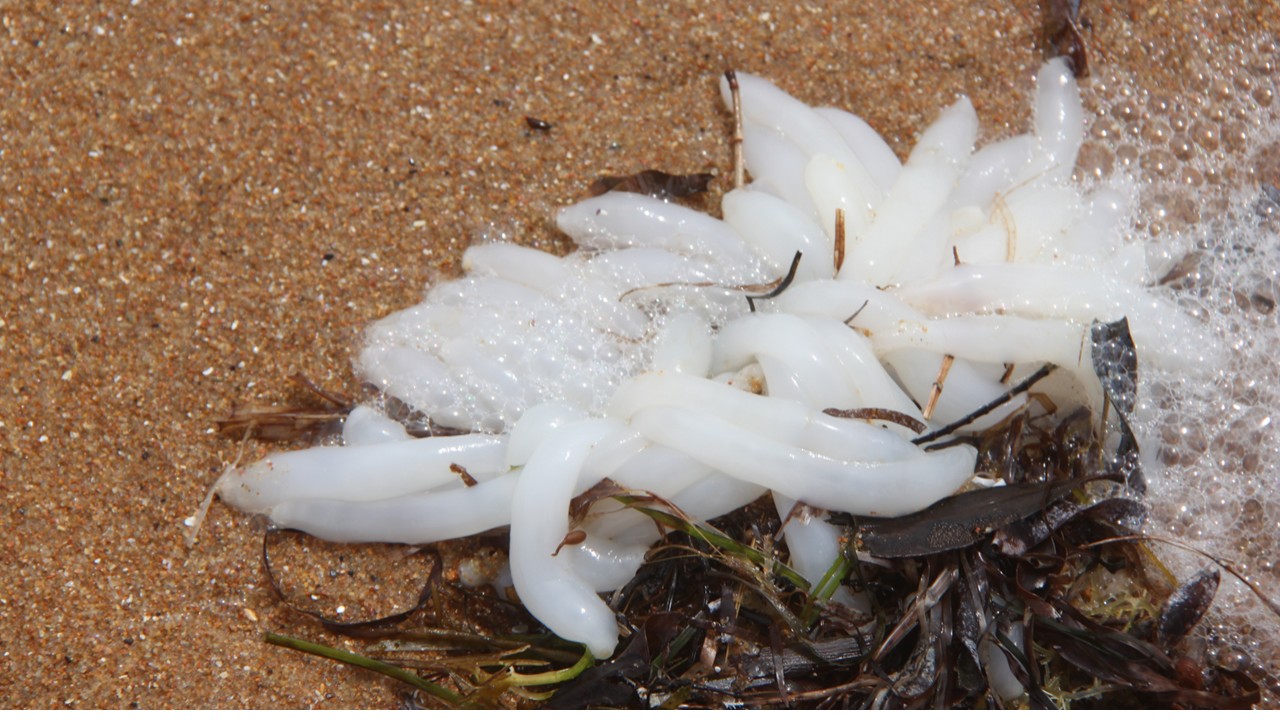
A Sea Anemonae on the Beach at Cole’s Bay

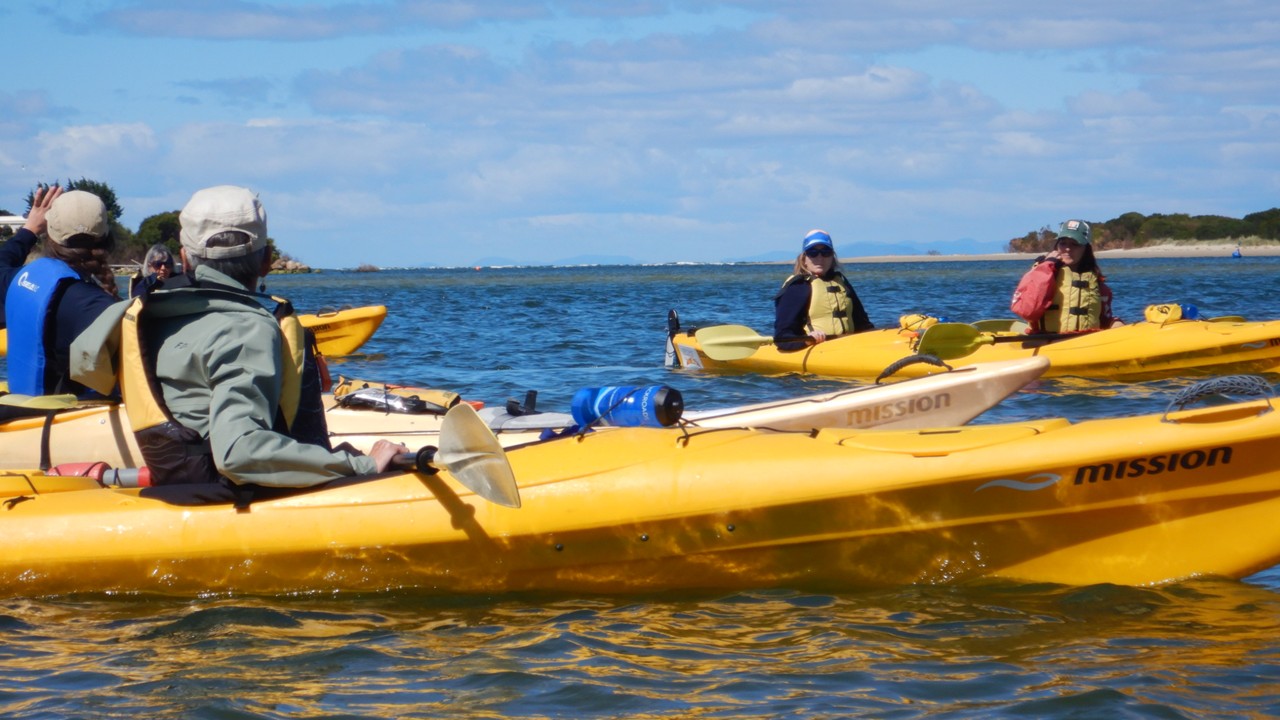
Sunday morning was met with a leisurely breakfast and packing. Today, we dressed in swimsuits under our clothes with a change of dry clothes carried in our backpacks. After a short 10-minute drive to Swan River, we were instructed in how to put on our fleece and foul-weather tops and our kayak skirts, before we moved our 2-person kayaks into the water and set off up-river. The tide was out so we had to avoid running aground in the shallows. Once on the water, we observed manta rays, eagle rays, egrets, pelicans, and numerous other birds in the river channel. Further up the river was a large oyster farm from which the oysters we ate yesterday had sourced from. After paddling up-river near the right bank, we turned the kayaks and paddled across the channel’s rising tide towards the opposite bank. Once we were again in the shallows, we took a break to enjoy the view and munch on some chocolate chip cookies. We then made a large circle around and returned to the dock with no mishaps. When we had dried off we were treated to hot tea and hot chocolate. 
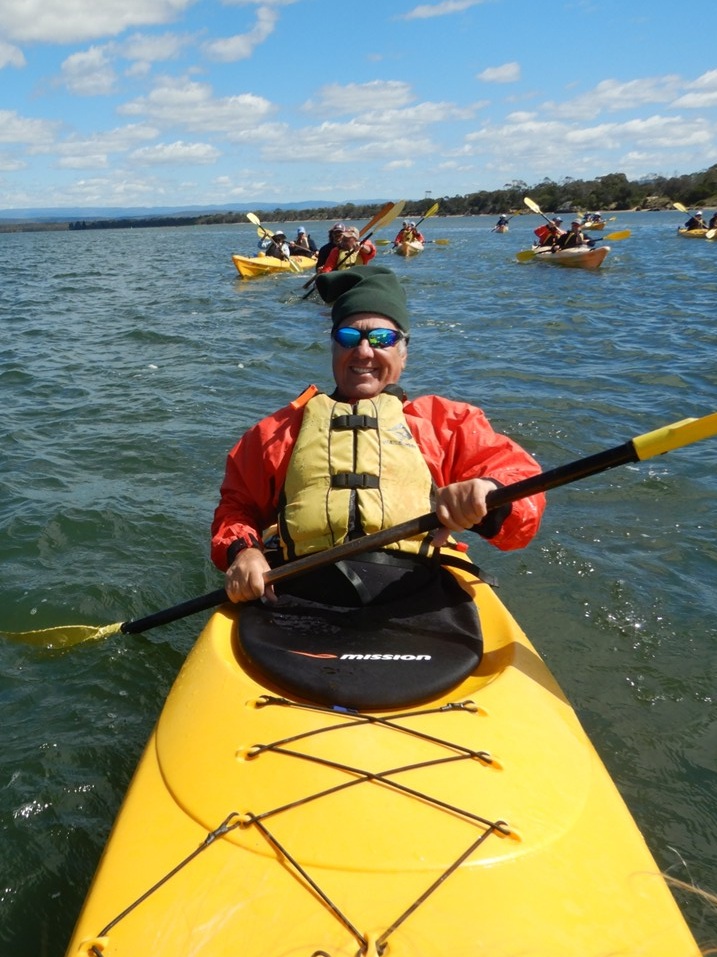
Rocky in a two man kayak
Kayaking at the mouth of Swan River

After reboarding the van, we traveled a short distance before stopping at the community garden for a bathroom break and to dress in our street clothes for the 1-hour trip to Mayfield Estate Wine Cellar and Tasman Sea Salt producers for lunch. Two brothers there farmed sheep until a drought came and nearly decimated the estate from 10,000 sheep to only 2,000 sheep. In response, the brothers set about growing grapes in 2010. Now they send the grapes to local wineries and their brands of wine are returned to their restaurant/estate, which is located on a wonderful hilltop venue overlooking the scenery around it. All of their grapes are hand-picked. While we each ordered a pizza from their stone oven, we enjoyed a wine tasting consisting of a sparkling wine, a Chardonnay, a Pinot Gris, a Rose, and a Pinot Noir. The brothers have also continued to raise sheep for their Merino wool, of which 80% is exported to China. 

We then shuttled 1.5-hours to Hobart to famous “MACq 01 Hotel” located on the Harbor Waterfront. Our room has a beautiful view overlooking the harbor with a brand new tug boat parked just outside of our balcony. The MACq 01 is a “Story Hotel” with every room and lounge dedicated to the personal story of a Tasmanian individual: see the link: https://www.macq01.com.au/our-story/ . Cocktails that evening were in the “Story Bar” with a selection of hors d’oeuvres, and followed by a 3-course meal in the Old Wharf Restaurant. This was the last dinner we had as a group.
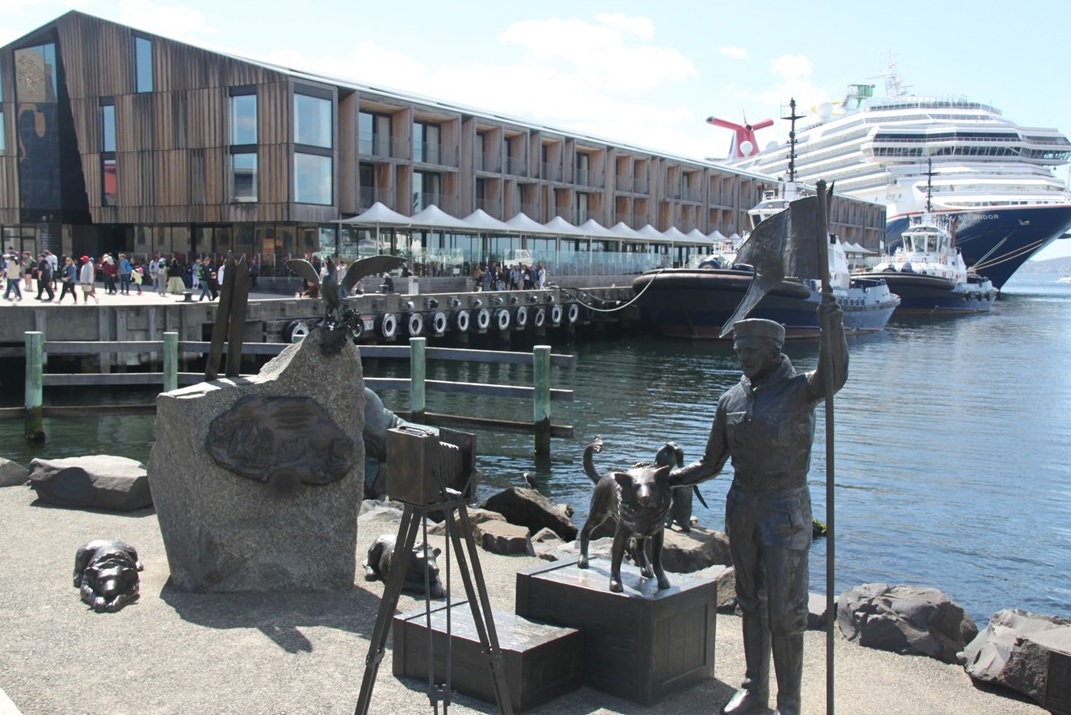
Statues & View of MACq 01 Hotel in Hobart

Monday morning we were up for breakfast with Julie’s sister and brother-in-law, as they were departing early to return to the U.S. After breakfast, we met with the remainder of our group for a “story telling” walking tour of the area beginning in the “Evolve Bar.” The “Evolve Bar” is decorated with a unique and valuable collection of fossils that is the private collection of the hotel owner. Once the introduction ended, we took an initial walk around the square surrounding the hotel, learning the history of various buildings and parks and how they became part of Tasmania’ history. 

In 1642, the first white man who came to Tasmania was Abel Tasmania, the captain of a Dutch ship working under the sponsorship of Anthony van Diemen, the Governor-General of the Dutch East Indies. Later, 150 visitors and scientists came from France to study the strange and previously unknown animals and flora. When the British established a settlement there in 1803, they retained the name, “van Diemen’s Land”. Then, in 1825 it became a separate penal colony when John Bowman brought 50 convicts there. It soon became notorious for its harsh treatment of prisoners and for its reputation for being inescapable. Then, in 1856, the name was changed from Van Damien’s Land to Tasmania to distance it from its brutal reputation.

Today, Hobart is the second deepest port in the world and has traditionally been a breeding ground for Southern Right Whales, (so called because during the whaling industry times, they were the “right” whales to hunt!)  It was said that at one time, there were so many whales in Hobart’s harbor that you could walk on their backs across the water. Today, there are few whales left that visit the harbor as most are up closer to Melbourne. We walked to Battery point – the oldest residential neighborhood in Tasmania where today over 60% of its citizens have convict heritage. Much of the port today is surrounded by reclaimed land that once held valuable warehouses and factories. We walked by the Henry James IXL Building – a company established in 1891 as a manufacturer of jams, conserves. However, by the 1970-1980’s the port area had become an area of slums and poverty. Then, in 1990, the  area was restored and is a bustling shopping area today. The population of Hobart is only ~250,000 people – nearly half the population of Tasmania.

We then visited Franklin Square named for British explorer Sir John Franklin; a British Royal Navy officer, explorer and colonial administrator who was knighted in 1829 and who served as governor of Van Diemen’s Land from 1836 to 1843. He later took 128 men in 1845 to search for the North West passage. However, his ships got stuck in the ice and their fate was never discovered for 12 more years when a written account in a diary was discovered detailing their journey, starvation, and deaths. Their ships were never found until 2014 & 2016.

We then toured St. David’s Park – the largest park in Hobart and one that was once a cemetery. After the cemetery fell into disrepair, it was redesigned in 1925 as a classic Victorian garden, with lawns, flower beds, and a variety of native and exotic trees. The gravestones and burials of the cemetery’s inhabitants are still there.
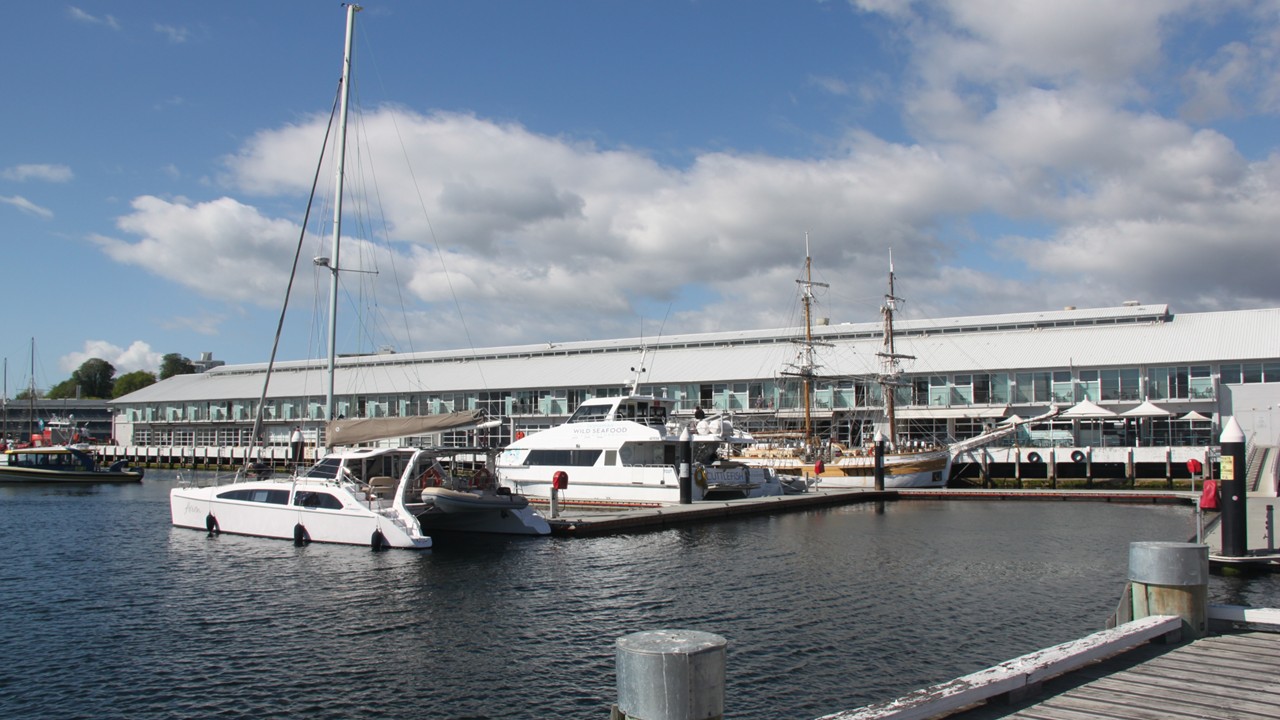
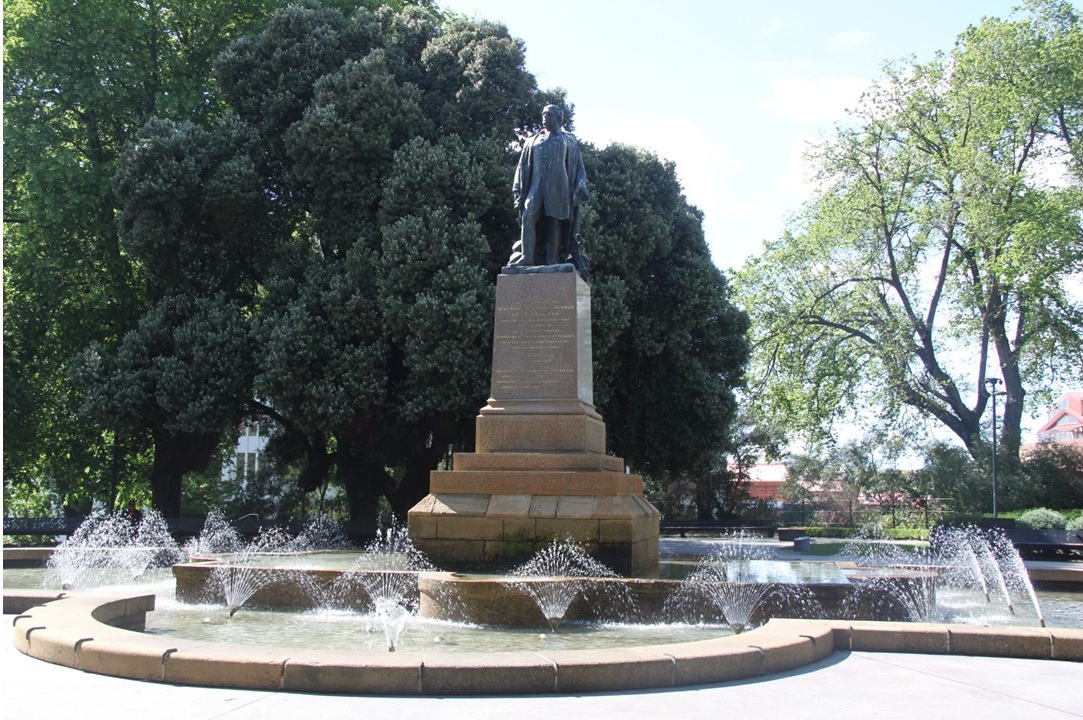
Hobart Harbor
Franklin Square and Cemetery in Hobart
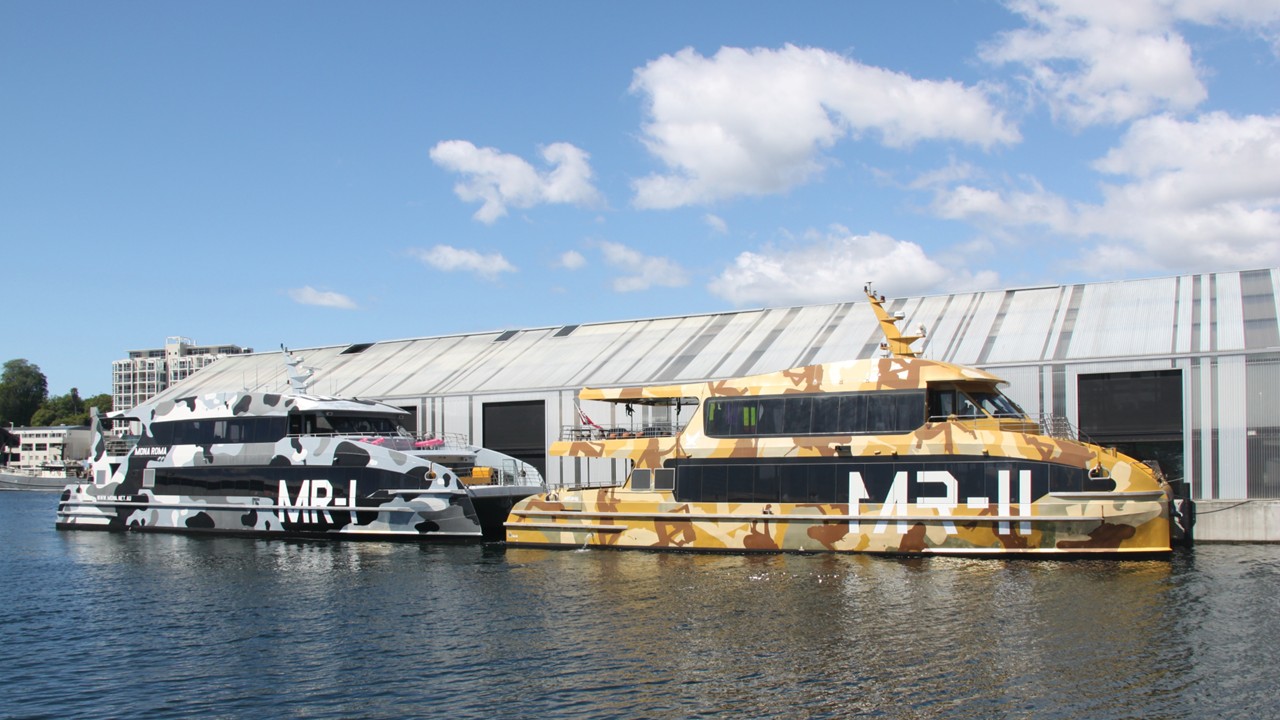
Tasmanian Navy in the port of Hobart

After the tour and back at the hotel we checked out and left our bags in storage there while we did some shopping. We bought souvenirs and stopped at Mures for a lunch or fish and chips with a beer. Then, it was time to leave Tasmania and we returned to our hotel, picked up our luggage, and took an Uber to the airport  for our 2-hour flight to Sydney, Australia where we stayed overnight in the airport hotel. The next morning we boarded a 16-hour flight back to Houston and connected to a 2.5 hour flight back home to Florida. A wonderfully adventurous trip, indeed.
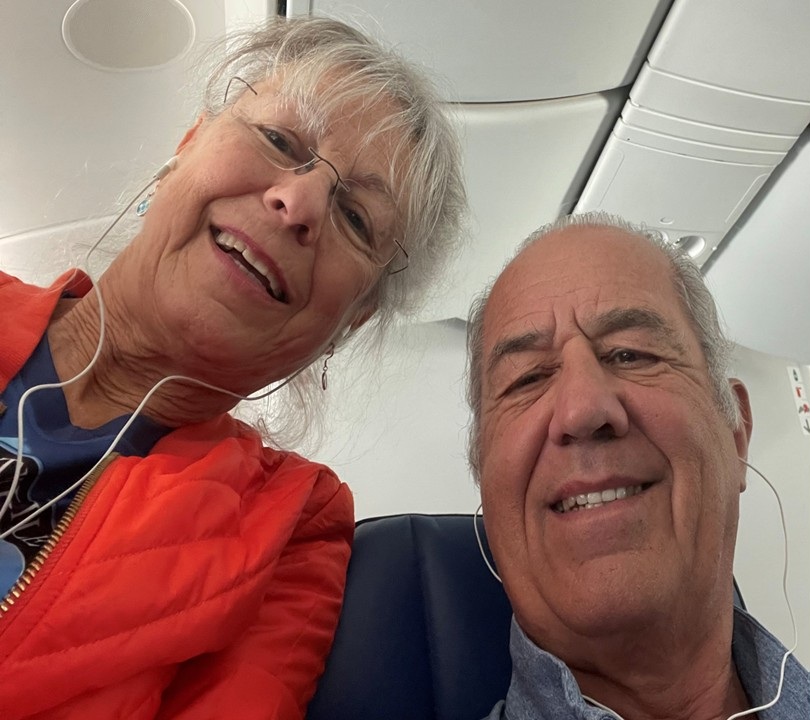
Julie and Rocky on flight home

Eastern Australia and Tasmania

Part 3: Launceston & Western Tasmania

Sunday morning we were up and checked-out of the airport hotel by 7am. After walking across the sky-bridge to the Check-in Counters, we checked our bags, got breakfast at McDonald’s, and then window shopped until boarding time. It was an hour flight from Melbourne south to Launceston, Tasmania. Launceston is the second largest city in Tasmania, (Hobart is the largest), and it was the first Australian city to have underground sewers and to be illuminated by hydro-electric power. Launceston is also known for its vibrant food culture and has been made a UNESCO city of gastronomy, one of only 49 in the world. From the airport, we caught a taxi to Peppers Silo Hotel, where we would meet our Backroads group to begin bicycling the next morning. Peppers Silo is a hotel made out of old grain silos and is very unique. We dropped our bags there and walked to Cataract Gorge, a National Reserve site. The site has been a Reserve since the 1800’s, and is characterized by a “hanging walkway” along its side that was built in the 1890’s and which is still used today. The walk starts in King’s Park across King’s Bridge and then down the path along the gorge.  We saw numerous birds, massive Sequoyah trees (planted in 1894), and a number of peacocks. After sightseeing, we returned to the waterfront near the hotel to eat lunch at “The Rupert & Hound.”  We then walked into the downtown area looking for some pastries for tomorrow’s breakfast, and for a bottle of wine for the evening. On return to our hotel we checked into our rooms and then played cards in the lobby. We had a light snack at the bar before calling it a day.

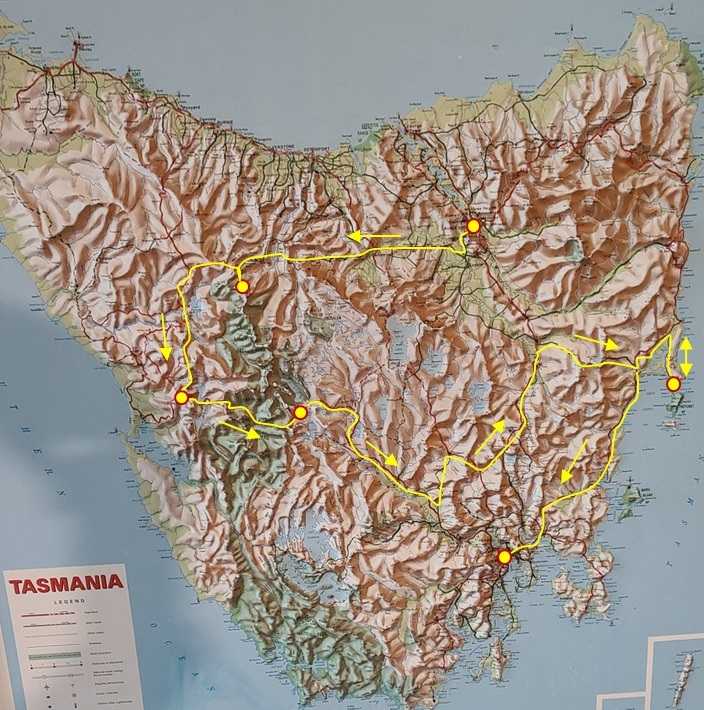
Map of Tasmania and the route taken
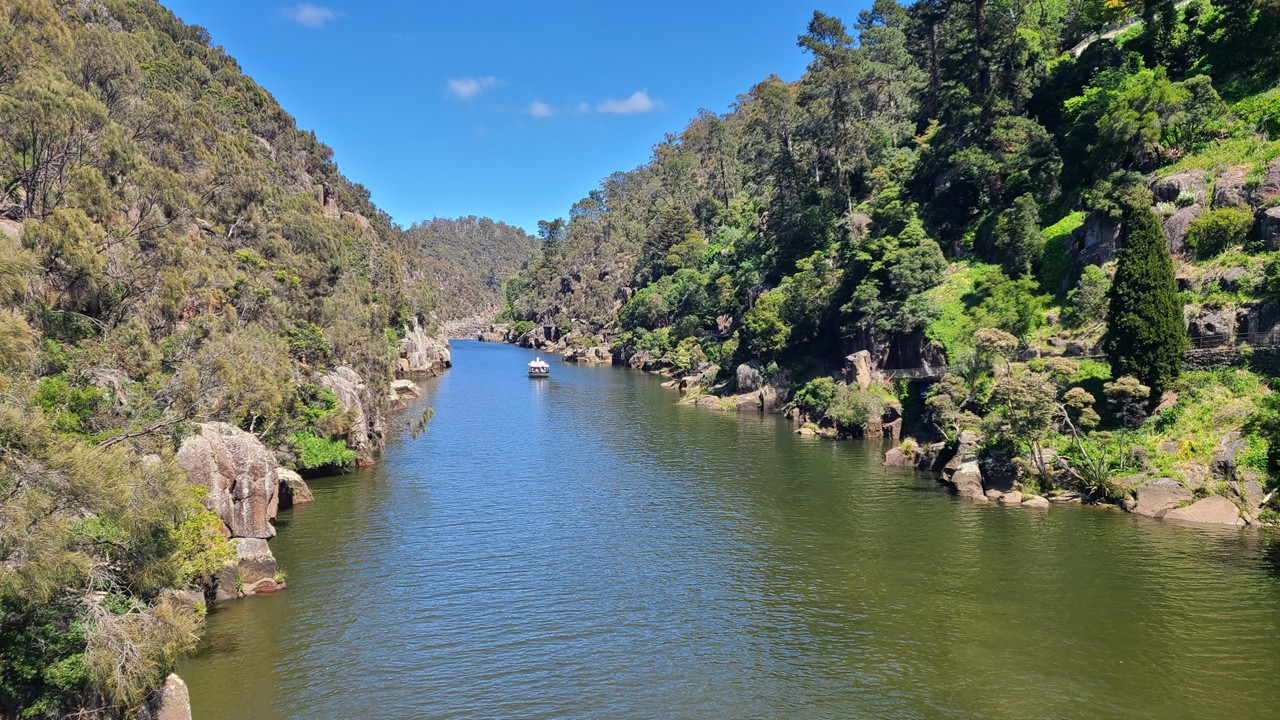
Cataract Canyon in Launceston

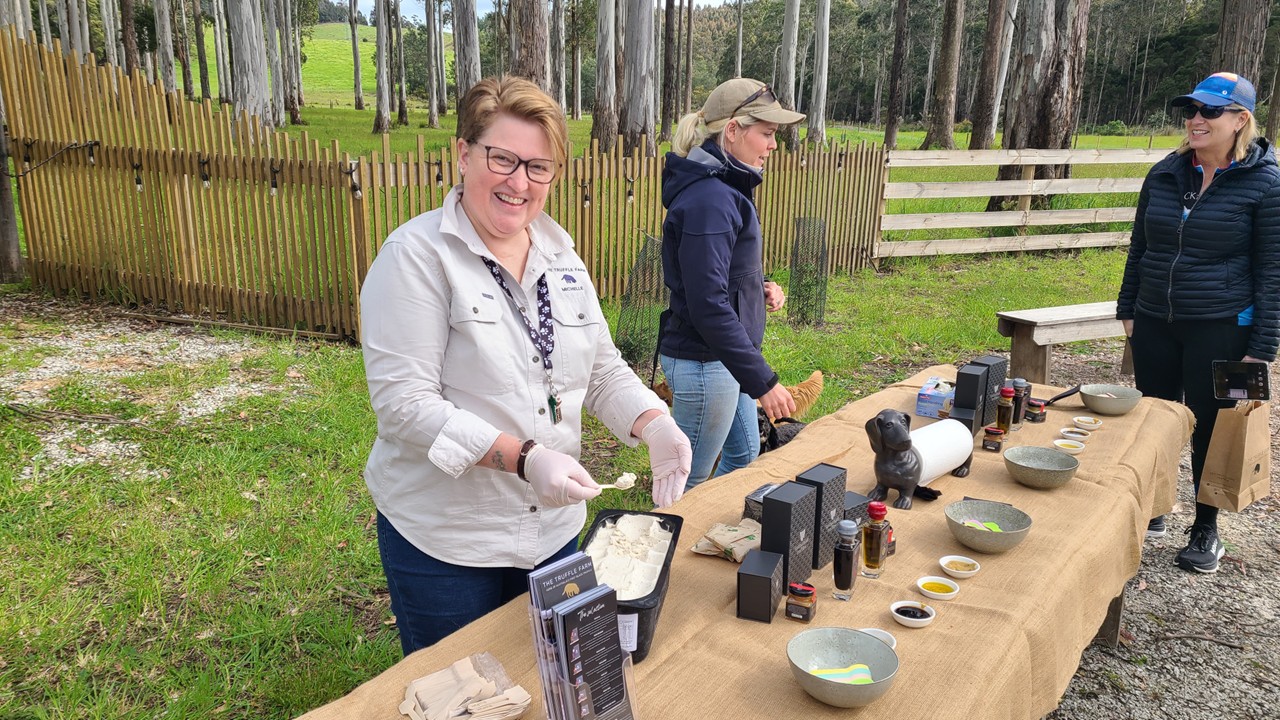
On Monday morning, we met our Backroads group, turned over our luggage, and loaded up into their vans for a short trip to The Truffle Farm – Australia’s First Black Truffle Farm. There the family run business showed us how they “pollinate” spores on fledgling tree roots and wait over 10-years to speculatively gather truffles with the help of their truffle-sniffing dogs. We sampled a variety of truffle products before getting fit for our bicycles and heading off for an 18-mile ride across the pastoral countryside. 

Tasting table at The Truffle Farm

At the end of the 18-miles, we stopped at Sherlock Farms where we had lunch at a local farm run by Bob &Sally Sherlock. We dined family style on quinoa salad, tofu salad, edamame salad, topped with fresh beef from their ranch. 

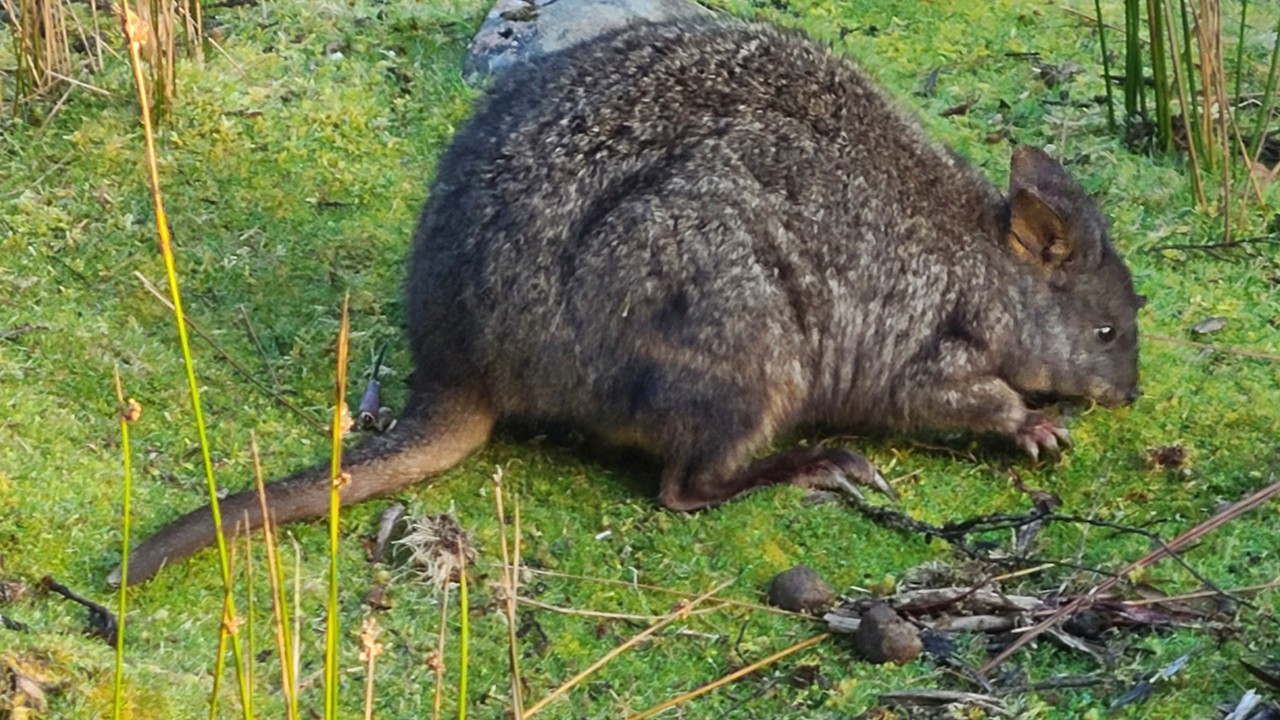
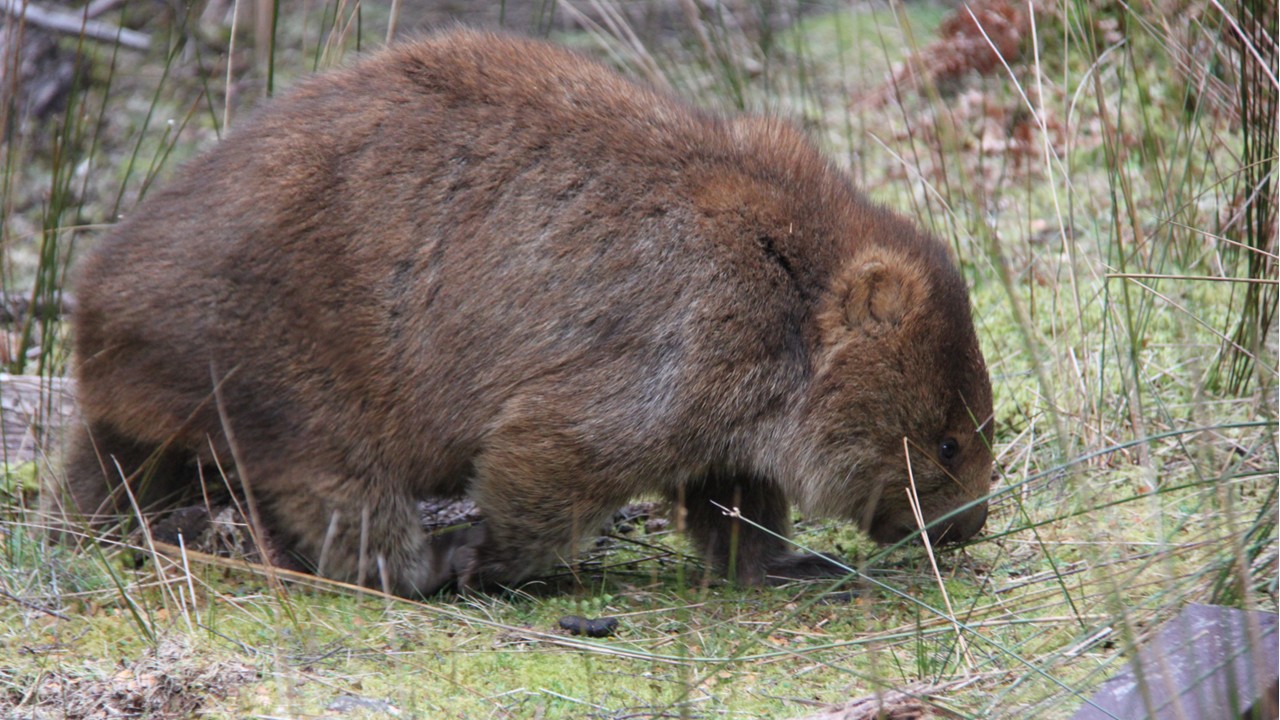
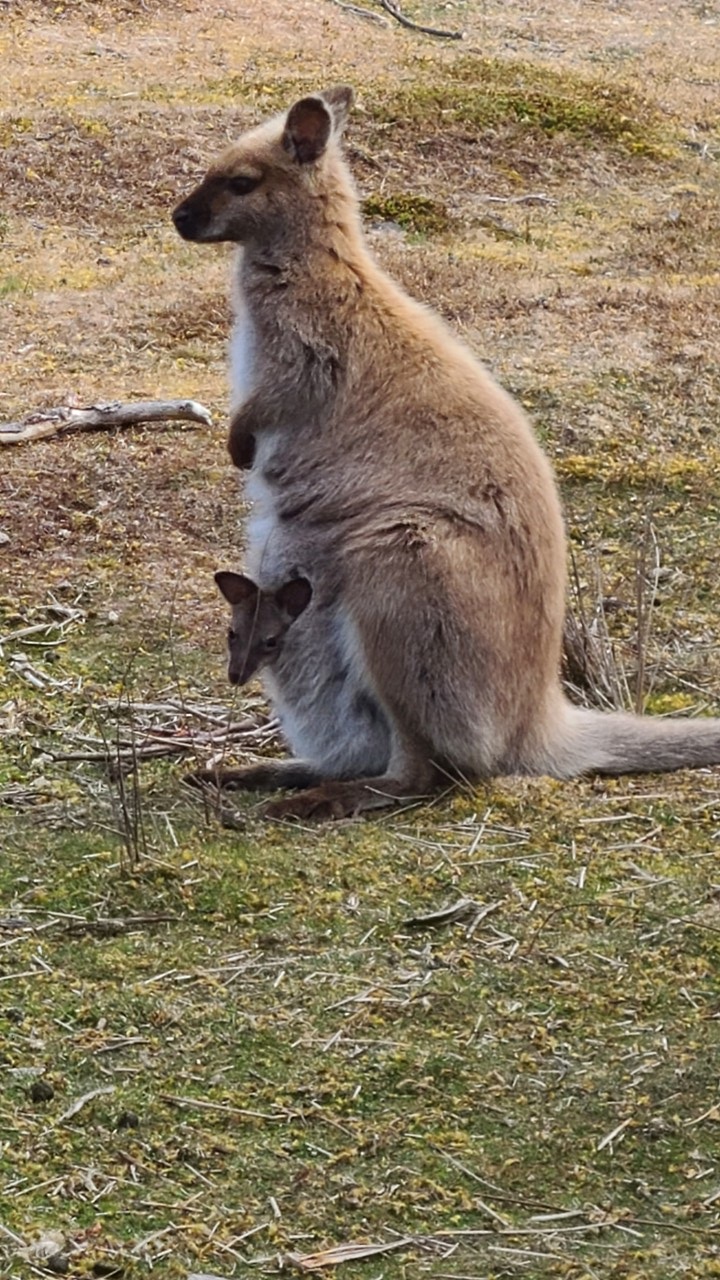
After lunch, we shuttled to Cradle Mountain Lodge located on the border of Cradle Mountain National Park. Along the way we saw echidnas foraging along the side of the road. On  arrival at the Lodge, we saw pademelons, wallabies, and wombats. Our accommodation was in a private cabin a good walk out in the bush. Once we settled in and unpacked our luggage, we walked back to the lodge for dinner, seeing a wallaby with a Joey in her pouch and a platypus swimming in the pond along the way. In the lodge, we had a private dinner with wine and hors d’oeuvres of salmon ceviche, pork belly, and tortellini. The main course of lamb and beef, with desserts of lemon sorbet , chocolate raspberry compote, and vanilla almond ice cream with short breads. After dinner, we returned to our room to prepare for tomorrow’s hike.

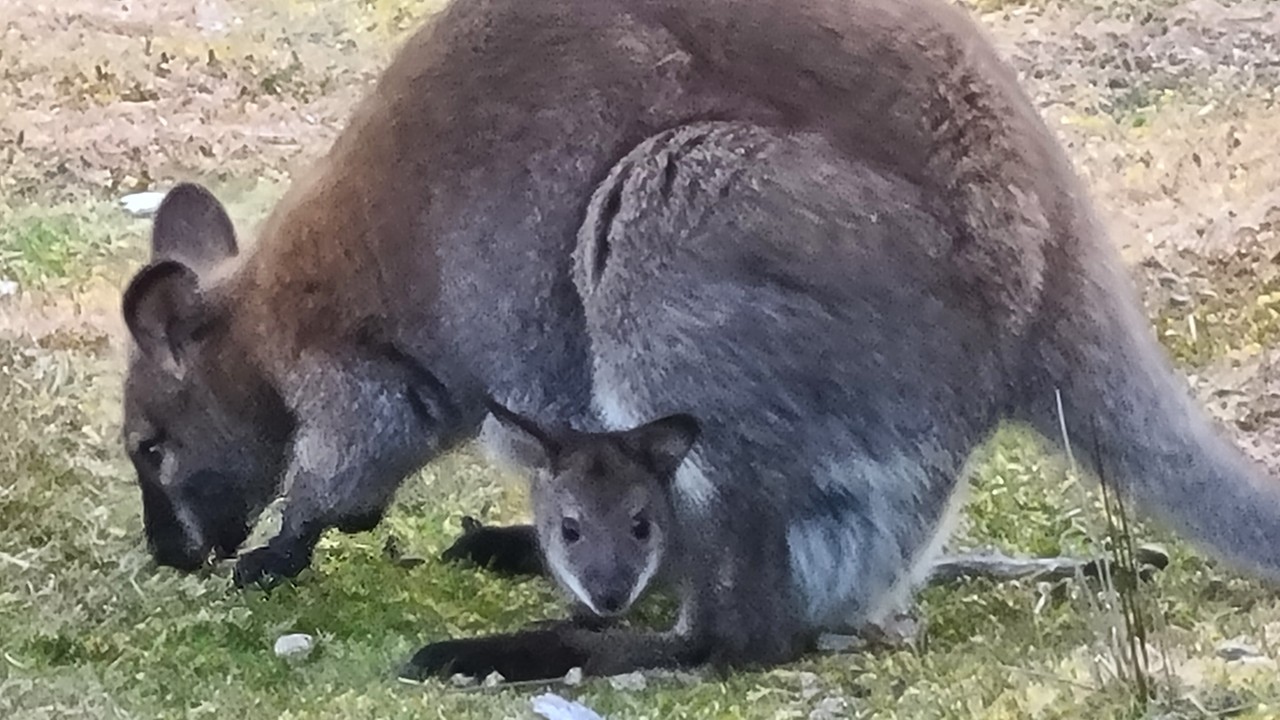
Wallaby with joey in her pouch
Padymelon foraging
Wombat grazing in camp

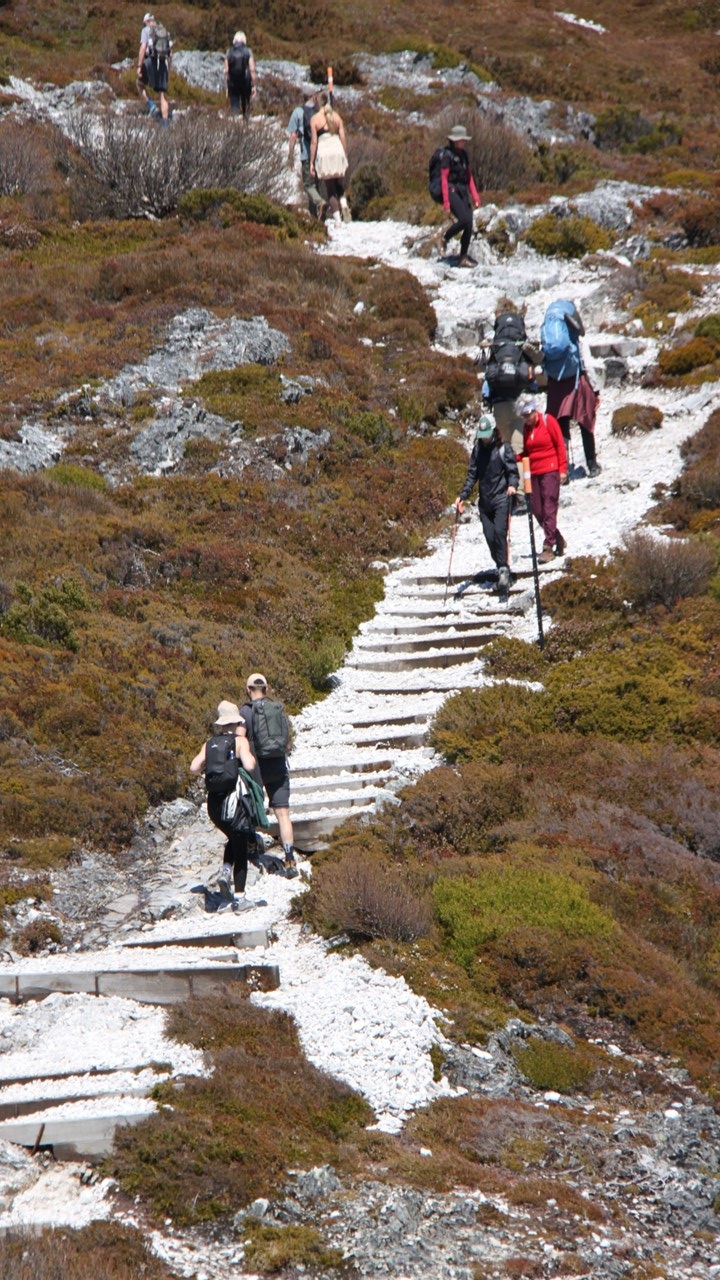
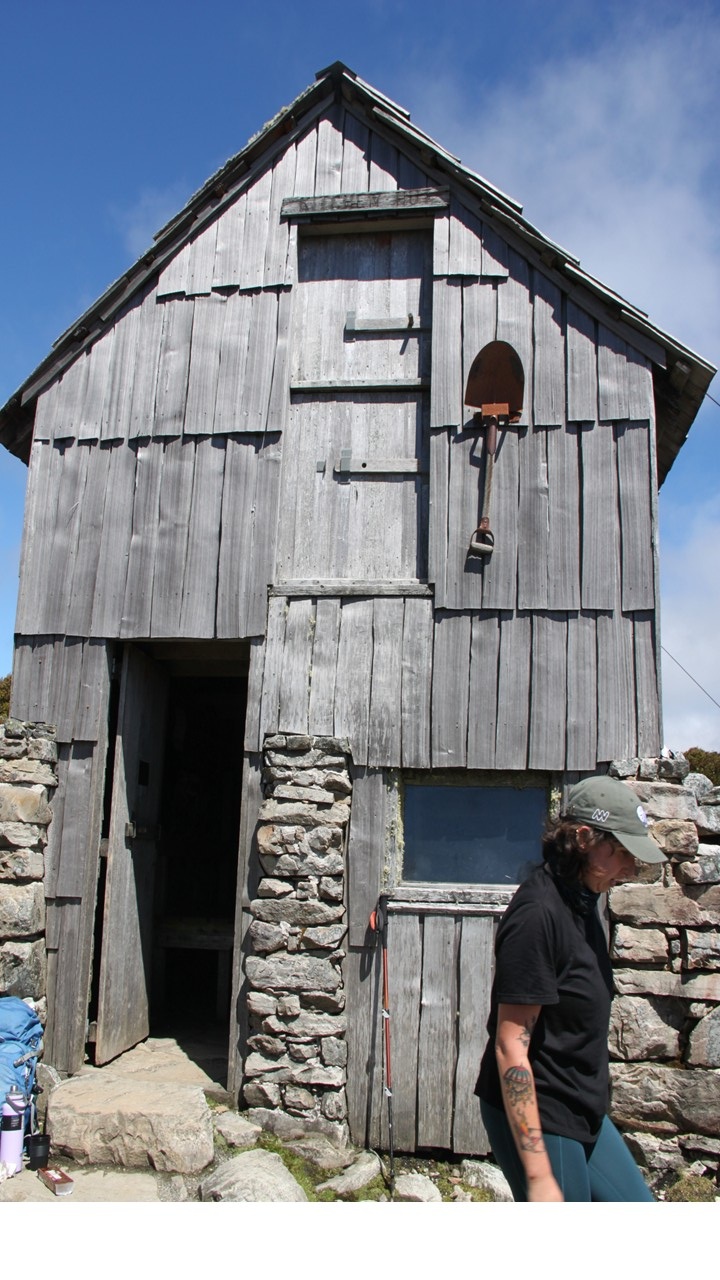
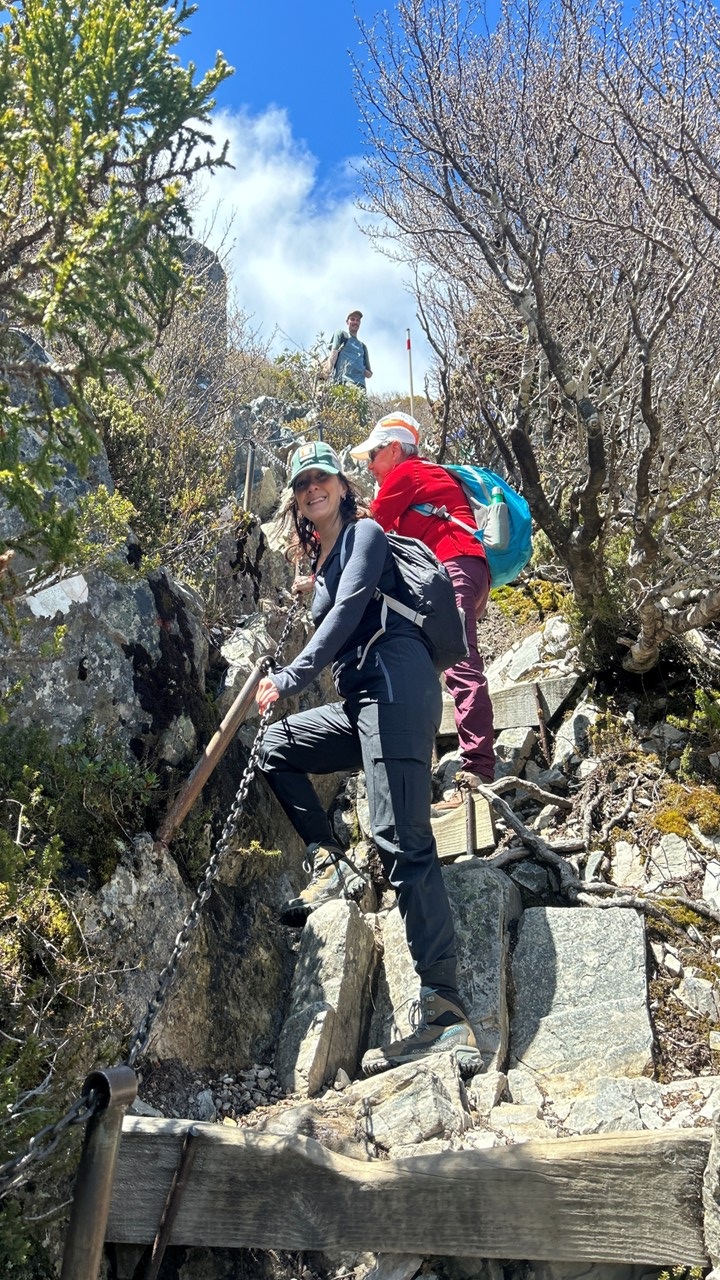
The next morning, we were up at the lodge for a quick breakfast at 7am so that we could leave for Cradle Mountain National Park for a day of hiking. It was 37F degrees this morning and somewhat windy. The park is biodiverse with ancient rainforest, alpine heaths, and grasslands. We drove to the Ronny Circle parking lot before dividing into groups that would take the shorter, easier route or the longer, challenging route. We decided to do the challenging route, and after crossing the road, we started our hike on part of the Overland Track Trail (a 65 kilometer long trail) until we reached the Scout Hut, and then we joined the Horse Track Trail which would take us around Crater Lake. We climbed up 1621 ft in altitude over wet boggy land and large granite boulders until we reached the Kitchen Hut. Here we broke for snacks and hot chocolate. We then walked on to Marion’s Lookout before rejoining the Overland Track via a path of steep downhill boulders while holding onto a chain rope. We continued on until we reached Crater Lake lookout then moved onto the Wombat Pool Track. Finally, the hike took us toward Lila Lake and the Park’s boathouse, ending at the shuttle bus stop. We rode the park shuttle bus to the Park’s Interpretive Center which was very near the Park’s entrance and our hotel. We strolled back to the hotel.

Hiking the Overland Track trail in Cradle Mountain National Park
The Kitchen Hut along the Overland Track trail
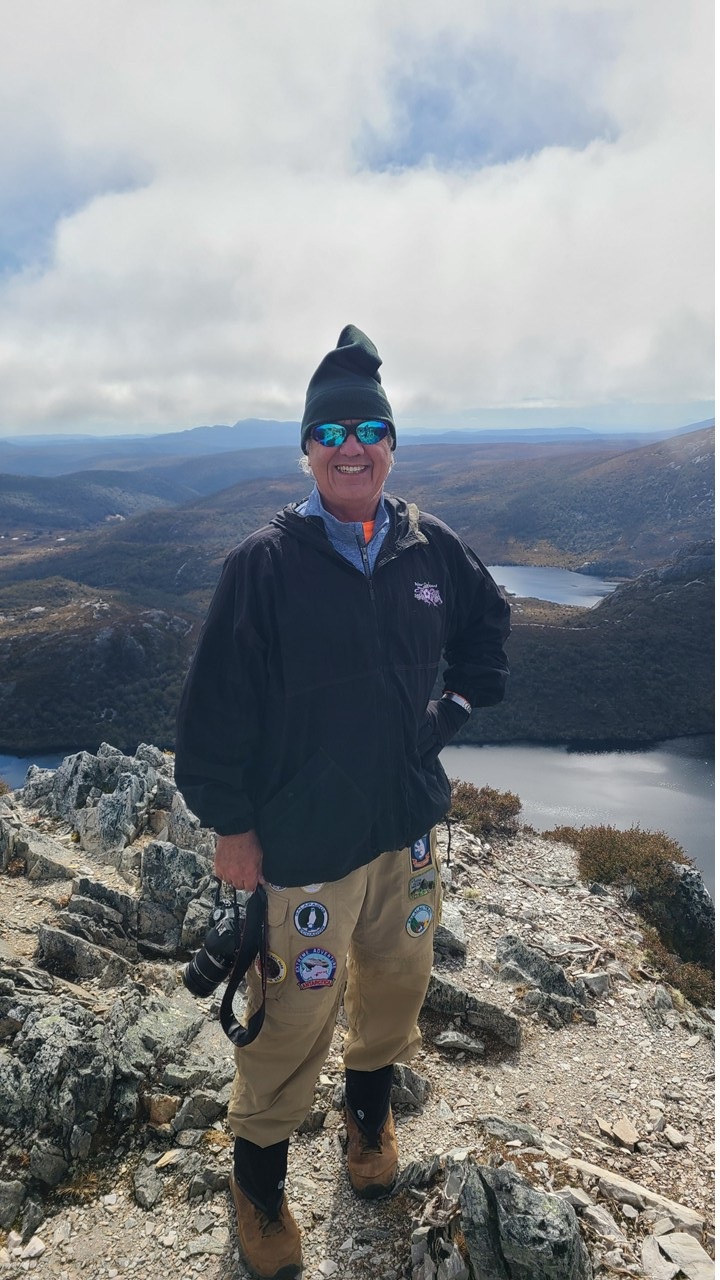
Rocky at Marion’s Lookout over Dove Lake
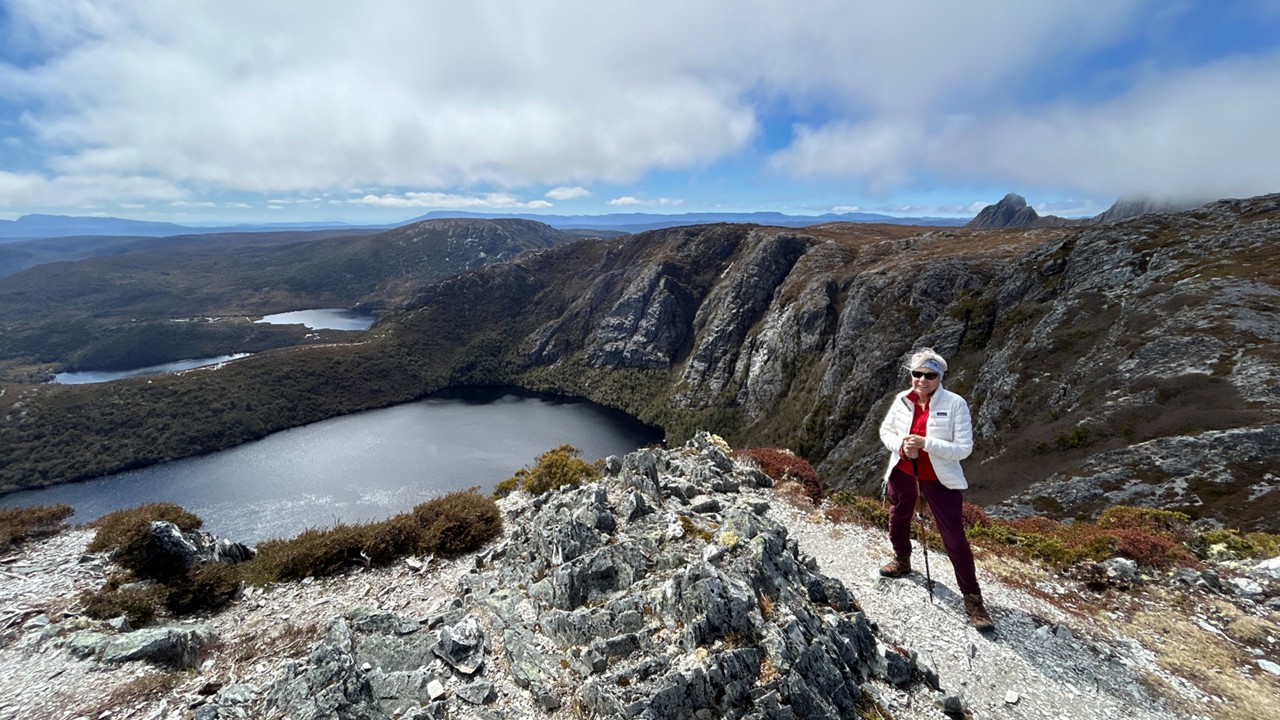
Julie at Marion’s Lookout over Dove Lake
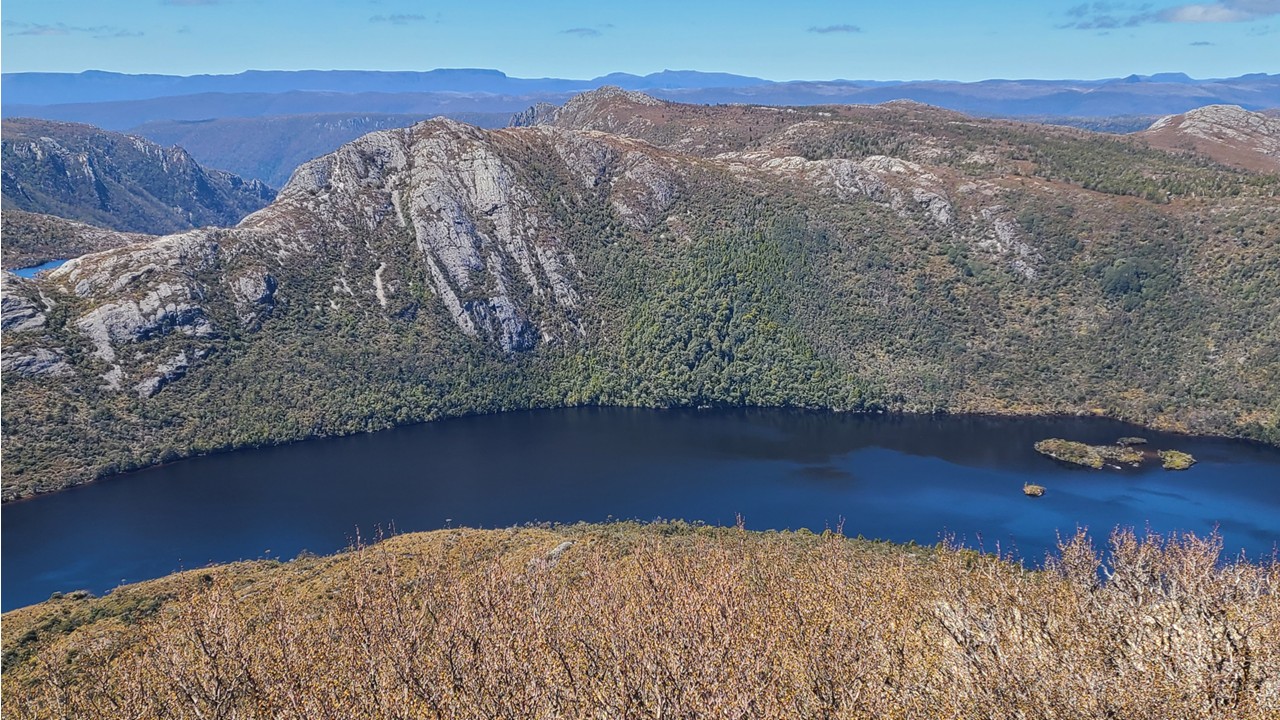
A view of Crater Lake
Scramble down the Rocks

Exhausted we hit the showers before joining friends in the lodge lobby for celebratory drinks and game of cards. At 6pm we had reservations in the Highland Restaurant for a 2-course dinner. Roc had smoked salmon and lamb rump roast and Julie had Tasmanian oysters and duck confit. Desert was vanilla ice cream with mango sauce and meringue. We watched the platypus frolic in the lake from our dining table. Then, it was back to our cabin to pack for our morning check-out.

Wallaby with joey

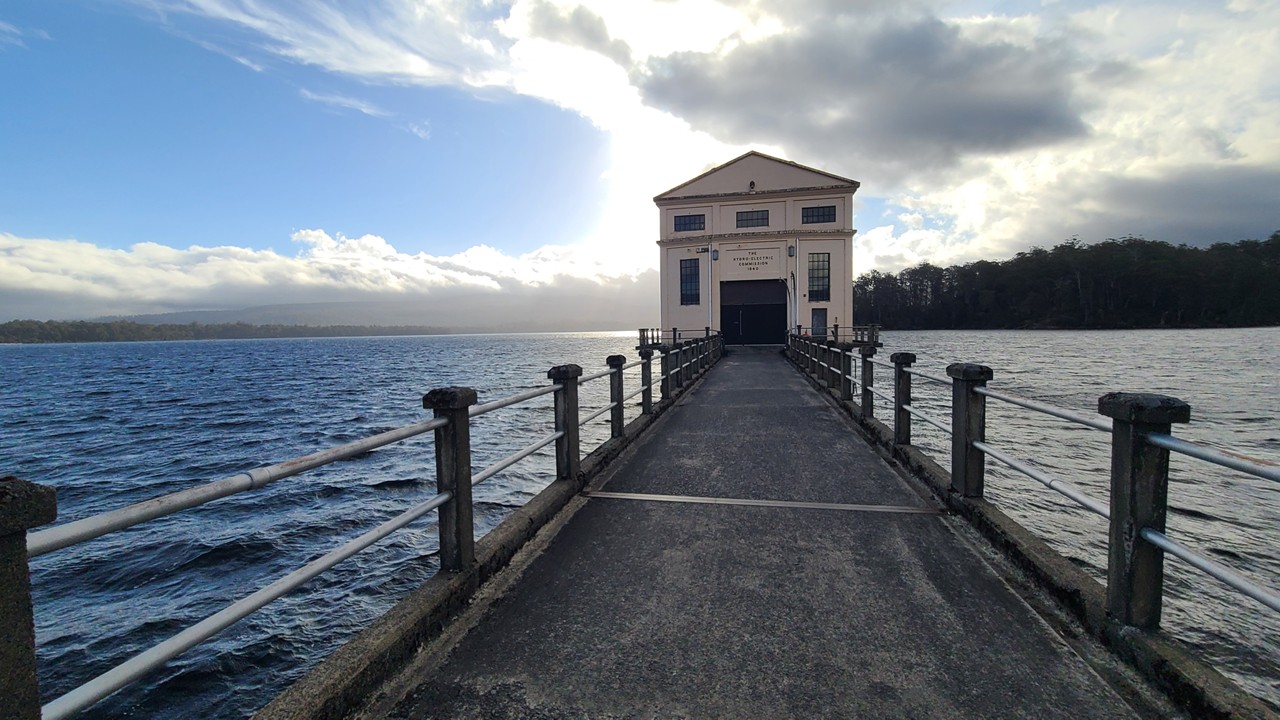
Breakfast the next morning was followed by a 1-mile hike to King Billie overlook to see The King Billie – a 1000+ year old pine tree. The morning was cool but the hike was warming and the wombats were out and about. We checked out of the lodge and drove 1.5-hours to Queenstown. The town of Queenstown is an old gold and copper mining town. Unfortunately, after no longer economic, the old mining companies left the town decimated and polluted with a sulfuric acid creek running through the middle. However, the surrounding mountains are now a popular mountain biking area which accounts for the meager income that supports the town beyond government assistance. We had a private lunch at the historic Paragon Theater while watching a movie about the theater’s history. After lunch, we changed into biking gear, drove 30 minutes to Burberry Lake Campground, and began our bike ride on the Lile Highway riding 25 miles while climbing 1/2 mile in altitude. When we arrived at the Lake St. Clair Ranger’s Headquarters, we took a short shuttle to a thoroughly unique hotel at Pumphouse Point. Our room was in the original planned hydroelectric dam’s pumphouse at the end of a long pier that extended out into Lake St. Clair. The pumphouse was deserted when the project to divert water and generate hydroelectric power was cancelled. We checked in, showered and changed, and then joined the other guests for a complementary cocktail hour and a convivial meal.
Our rooms out at the Pier at Pumphouse Point

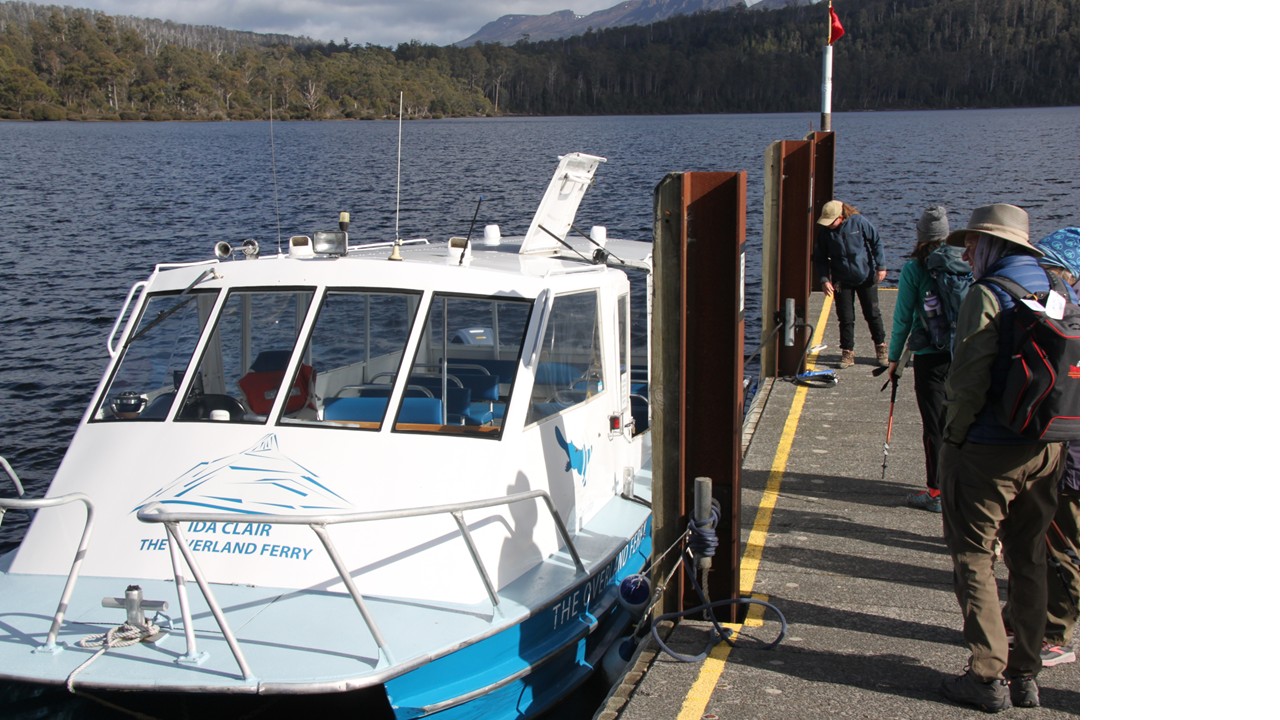
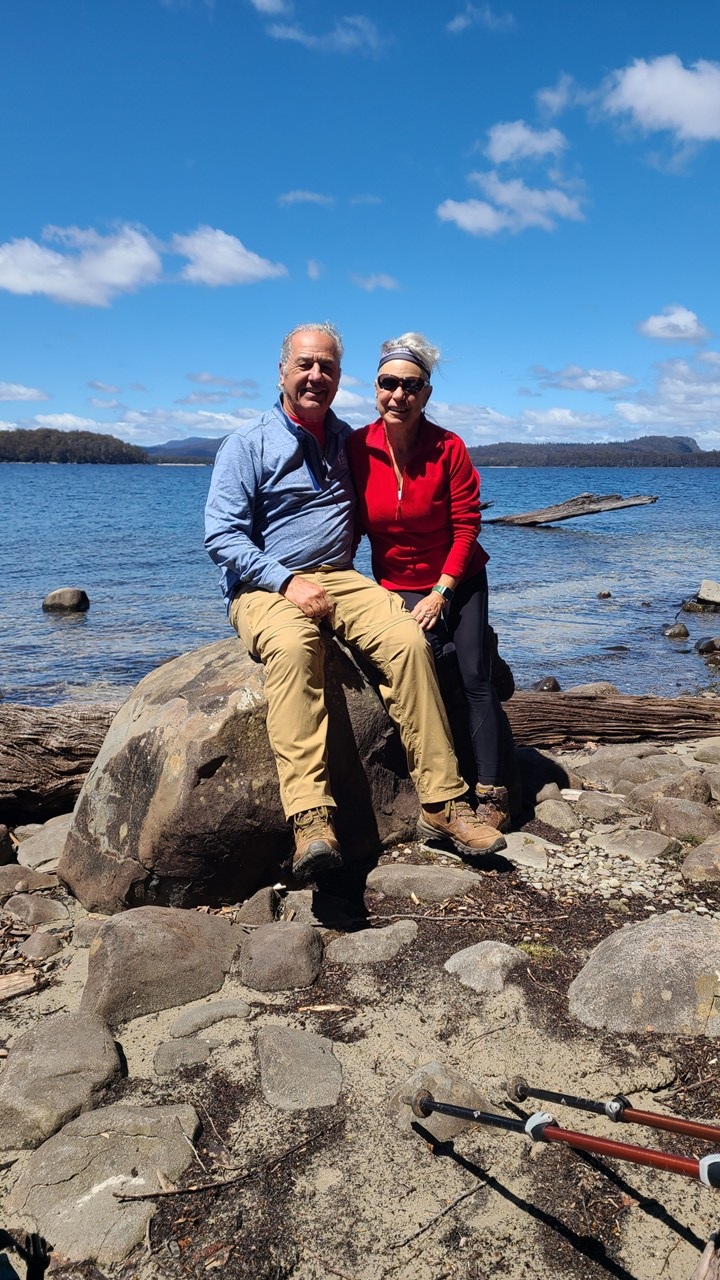
Thursday morning we were up early for breakfast, after which we received a loaf of bread to use with the larder of food that was in our room to prepare ourselves a lunch to take with us while we hike the Lake St, Clair National Park. We drove back to the Park’s Headquarters and walked to the Ferry terminal and took the ferry across the lake to Echo Point. Here we rejoin the Overland Track Trail and hiked through the forest alongside the lake for the next 11 kilometers. The ground is wet, soft, and mossy, and is covered with large tree roots and the occasional babbling brook. The footing is challenging as we ford creeks, climb over logs and branches, and avoid the mud. Three-quarters way through the hike we stopped and made our way to the lake’s edge to eat our packed lunches, utilizing the larger trees and rocks as benches and tables. When we finished the hike back at the headquarters/Visitors center, we celebrated with drinks and a beer.
Boar across Lake St Clair to the Overland Track trail
Julie and Rocky lakeside at lunch

Once back at the hotel, we decided to take a hike along the nearby beach looking for signs of platypus and any available beach glass. After collecting a bit of beach glass, we hiked over to the local weir bridge, and looked for wildlife. However, all we found was a sign warning of deadly snakes! Back at our hotel rooms, we took showers and prepared for dinner. Cocktails were again at 6pm and the night was a sloe gin special. Dinner was parsnip soup or pumpkin burratina (baby burrata), followed by lamb or chicken, and finished with a faux rock chocolate coffee desert. That night, we walked back to our room down the pier to see a stunning sunset.

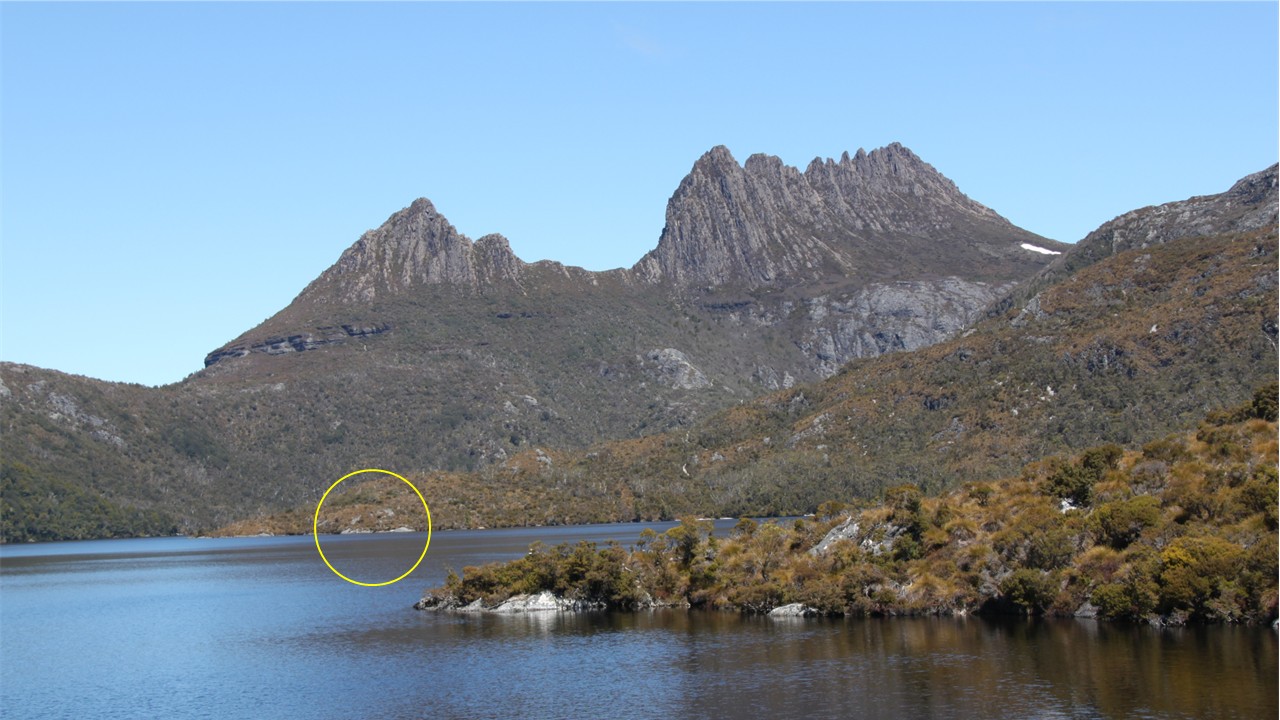
View across Lake St. Clair with the Pumphouse in the circle

Eastern Australia and Tasmania

Part 2: Uluru – Ayer’s Rock

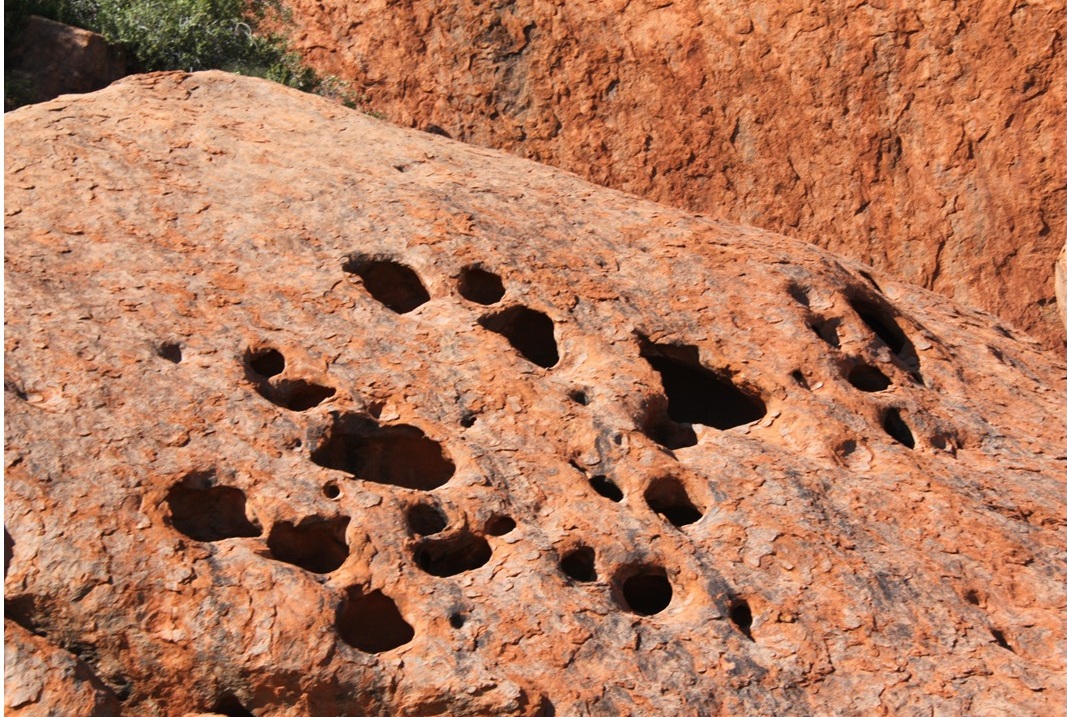
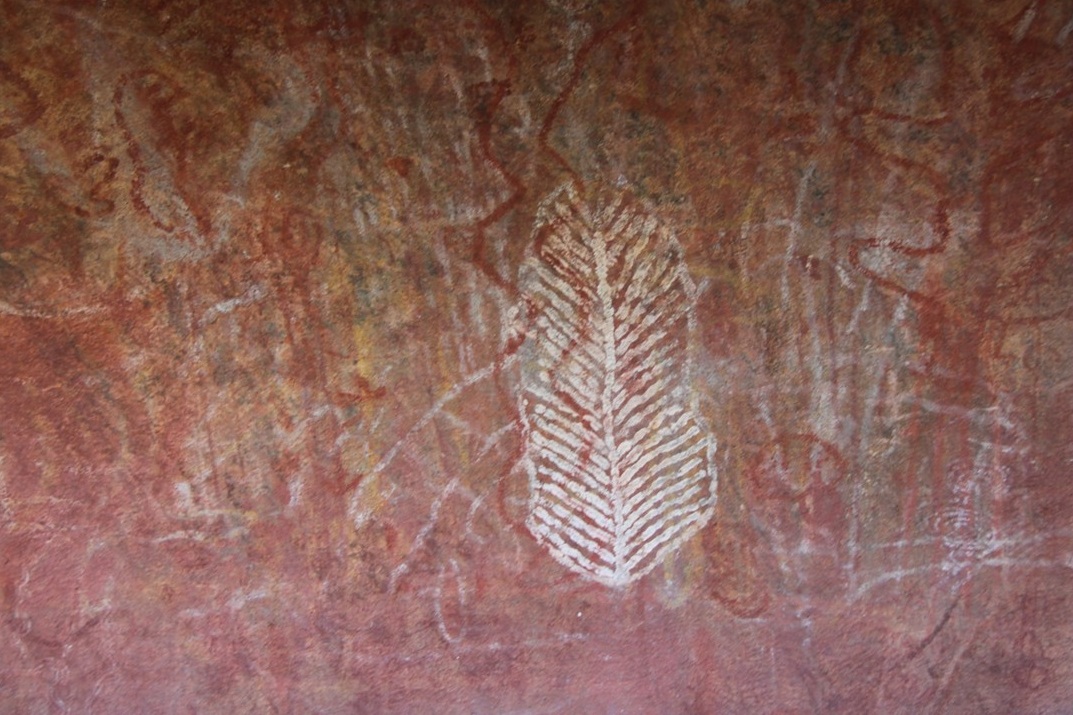
Thursday morning we were up early to train back to the airport to catch our flights – first to Sydney, and then onto Ayer’s Rock. We enjoyed a breakfast of corn fritters on board the first flight, and then samosas for a second breakfast on second leg of flight. We arrived at Ayer’s Rock at noon, picked up our rental SUV, and drove to our hotel – “The Lost Camel.” We checked-in and picked-up our welcome bag before visiting the local (only) grocery store to get some breakfast muffins for sunrise tomorrow. We then drove to Ayer’s Rock for pictures and a visit to the cultural center to understand the stories of the Indigenous tribes and see them actively painting their unique art designs. Then we drove around the entire rock, marveling at our closeup views of the erosional holes in the rock and the striation of the layering – all while noting that it was a dry 98-degrees outside. We then returned to the resort for much needed cold beers & ciders and began planning the rest of our day. We did some shopping at the Town Square waiting for the temperature to drop before stopping to pick up some pizzas and drinks and heading to the Sunset Overlook to watch the sunset on the rock. This time our foray into the park was a line of cars, all with the same idea- sunset at Uluru Rock. Once we assumed a prime spot, we met strangers, did selfies, ate pizza, and awaited the sunset  And – when sunset did come – it was beautiful. A perfect ending to a long day.

Welcome to Uluru – Ayers Rock
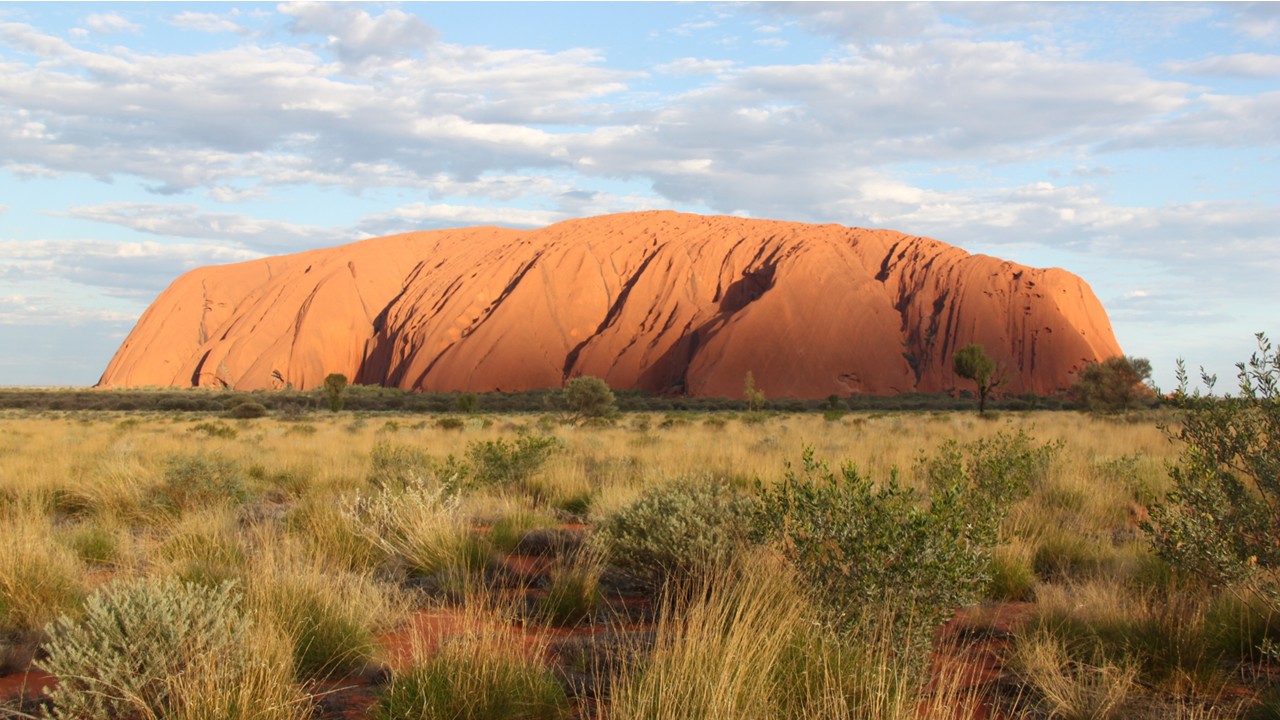
Daytime view of Uluru – Ayers Rock from Pard Road

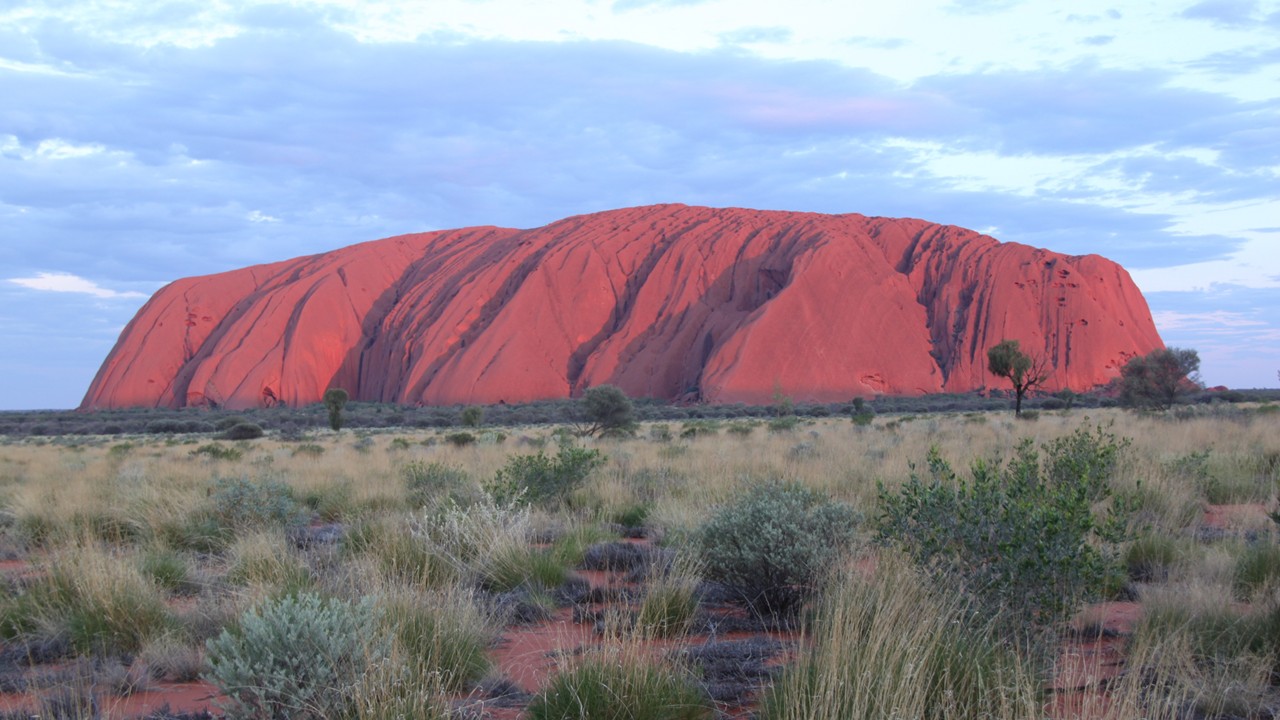
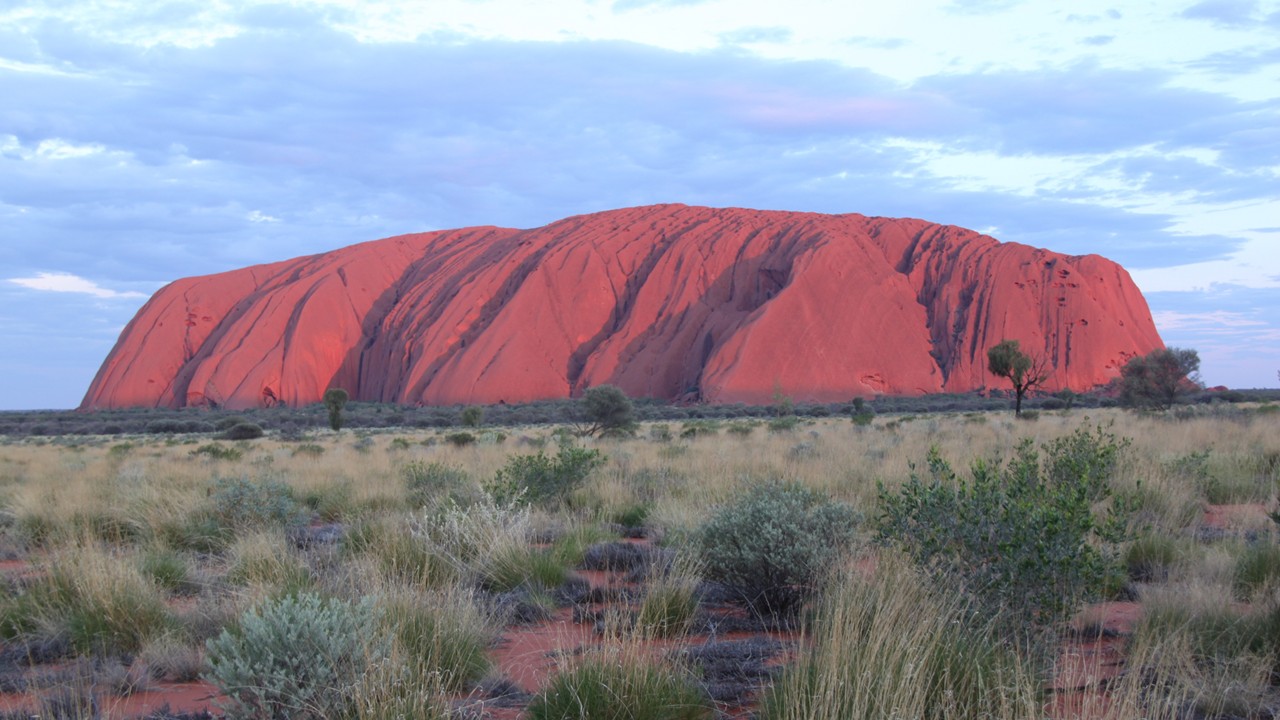
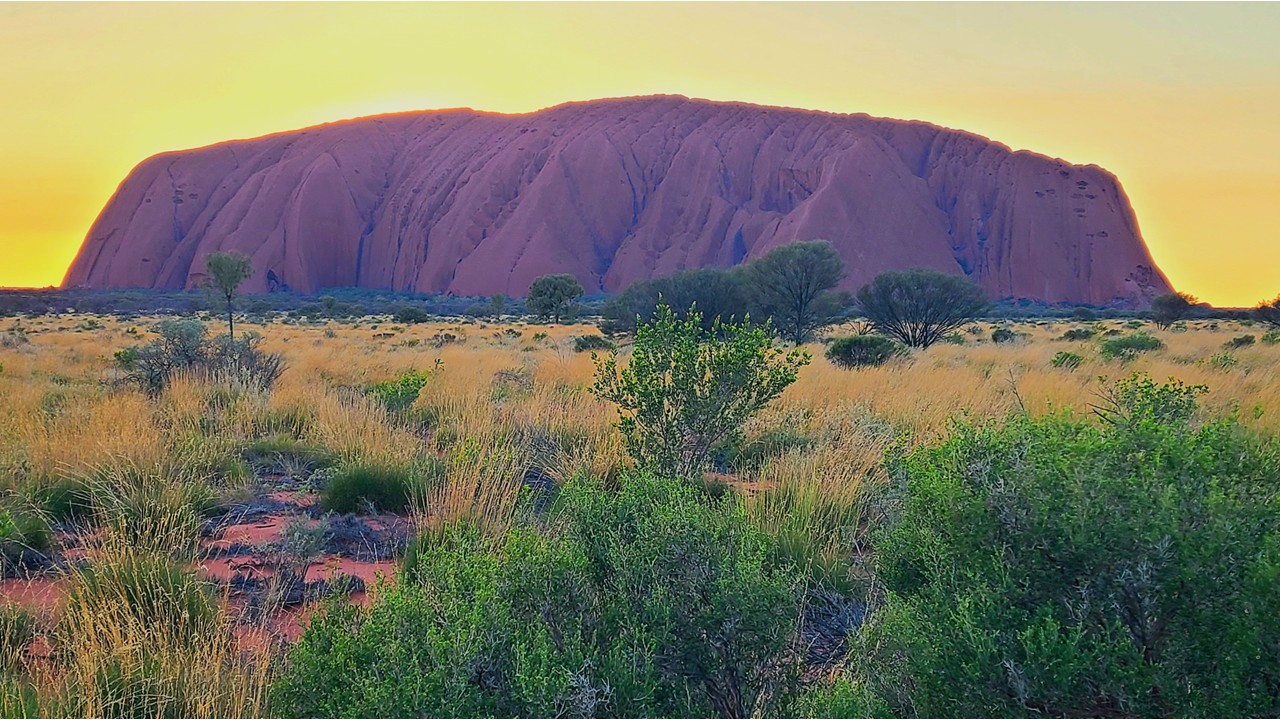
Uluru – Ayers Rock At Dusk
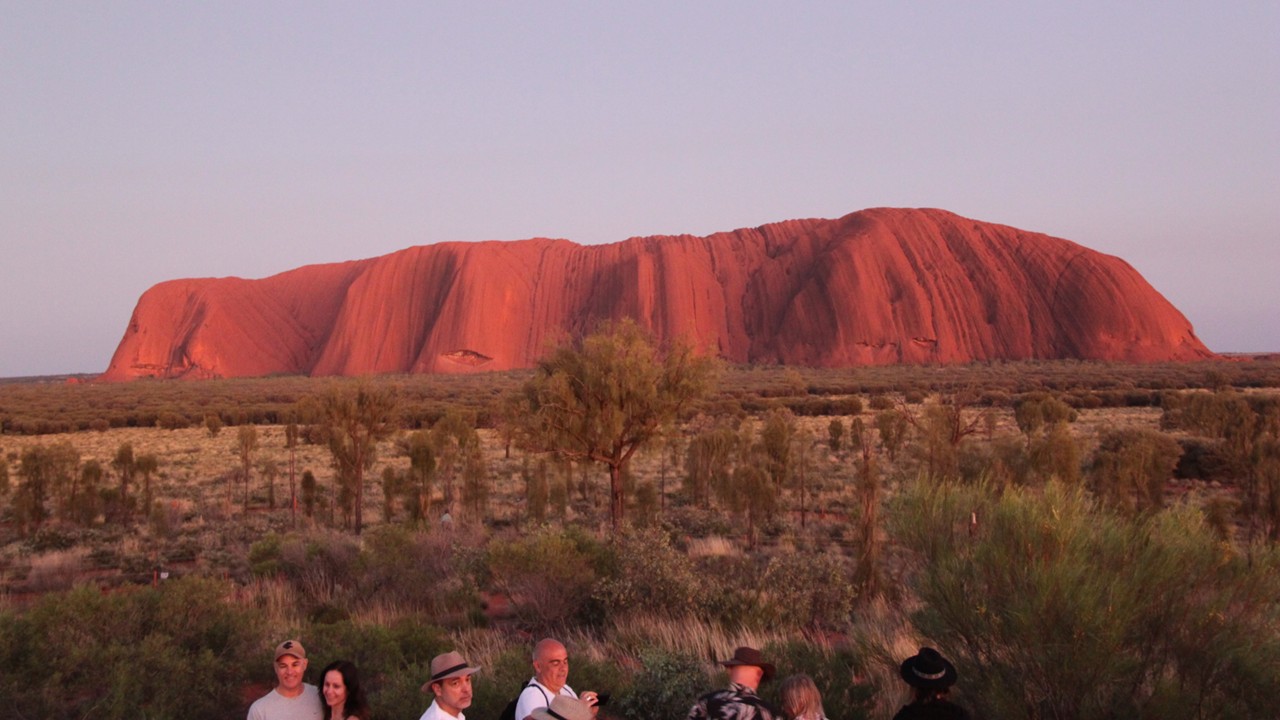
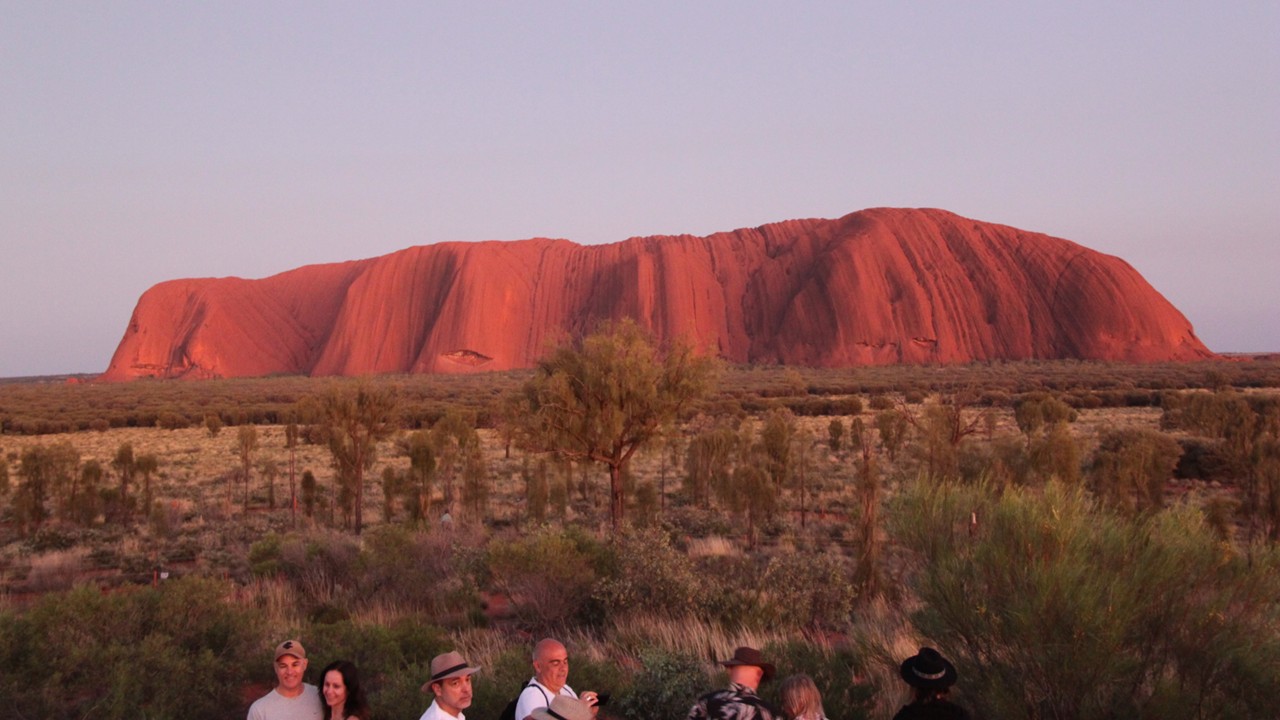
Uluru – Ayers Rock at Sunset

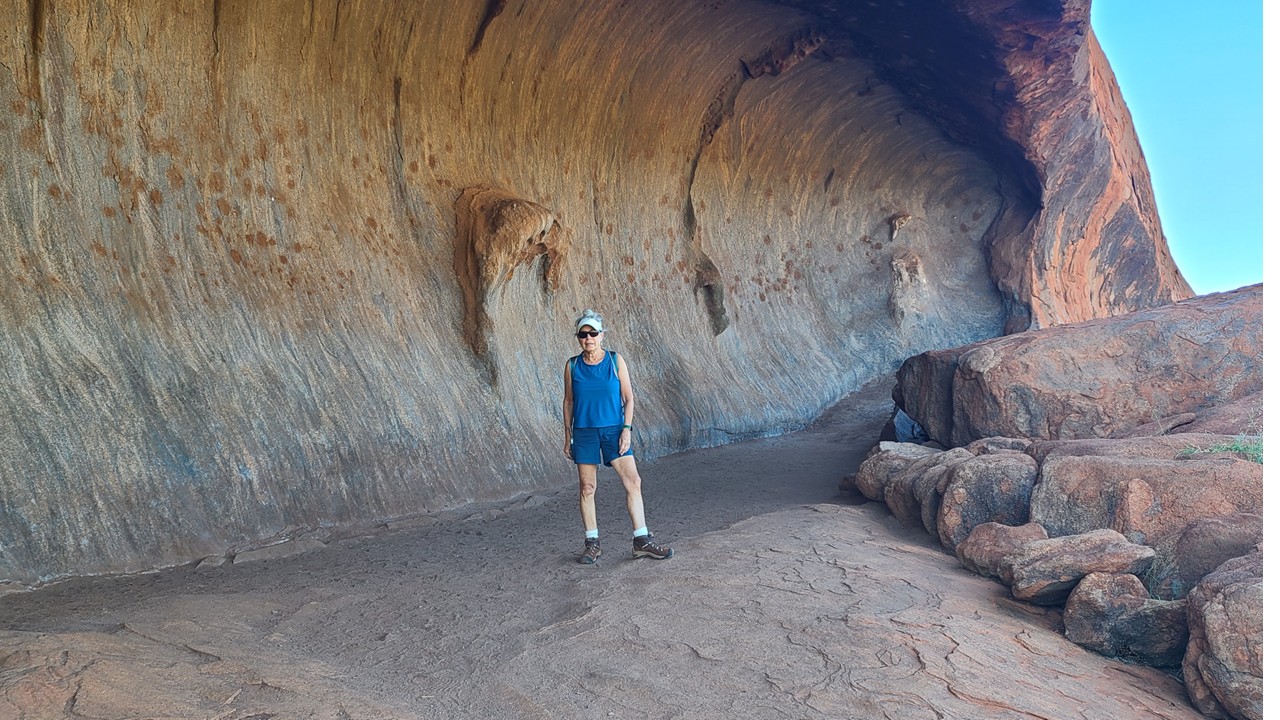
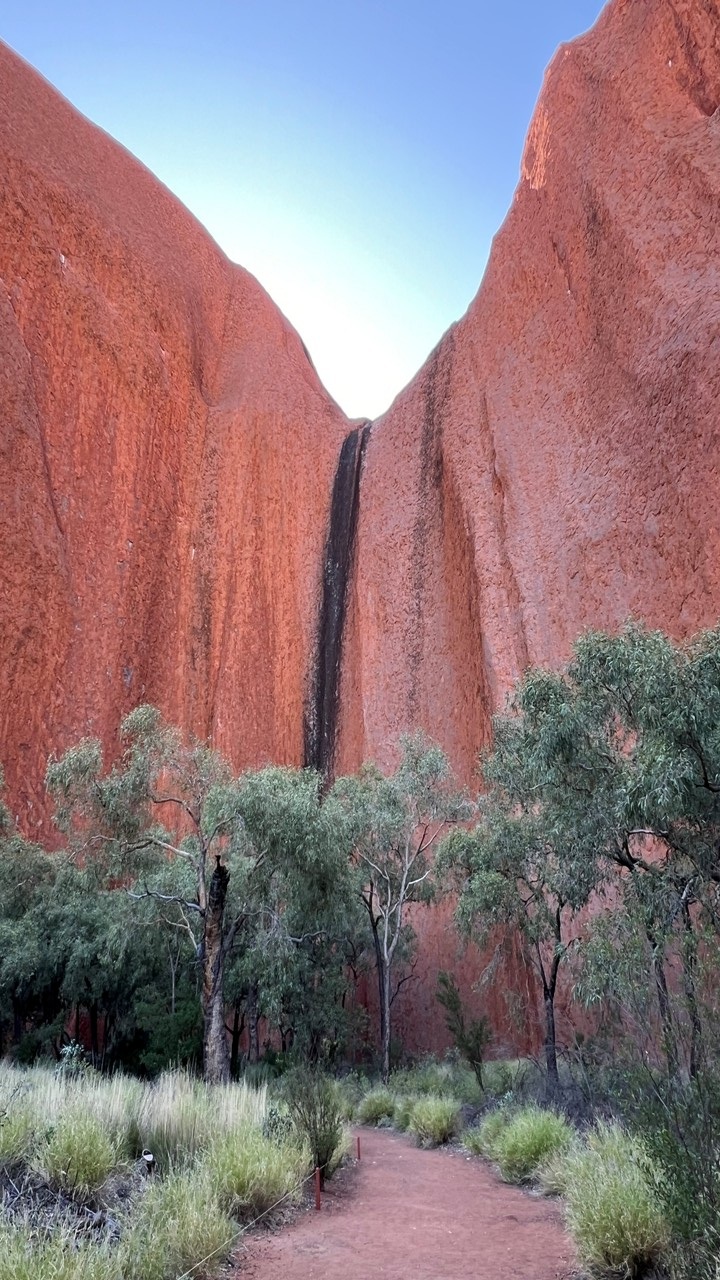
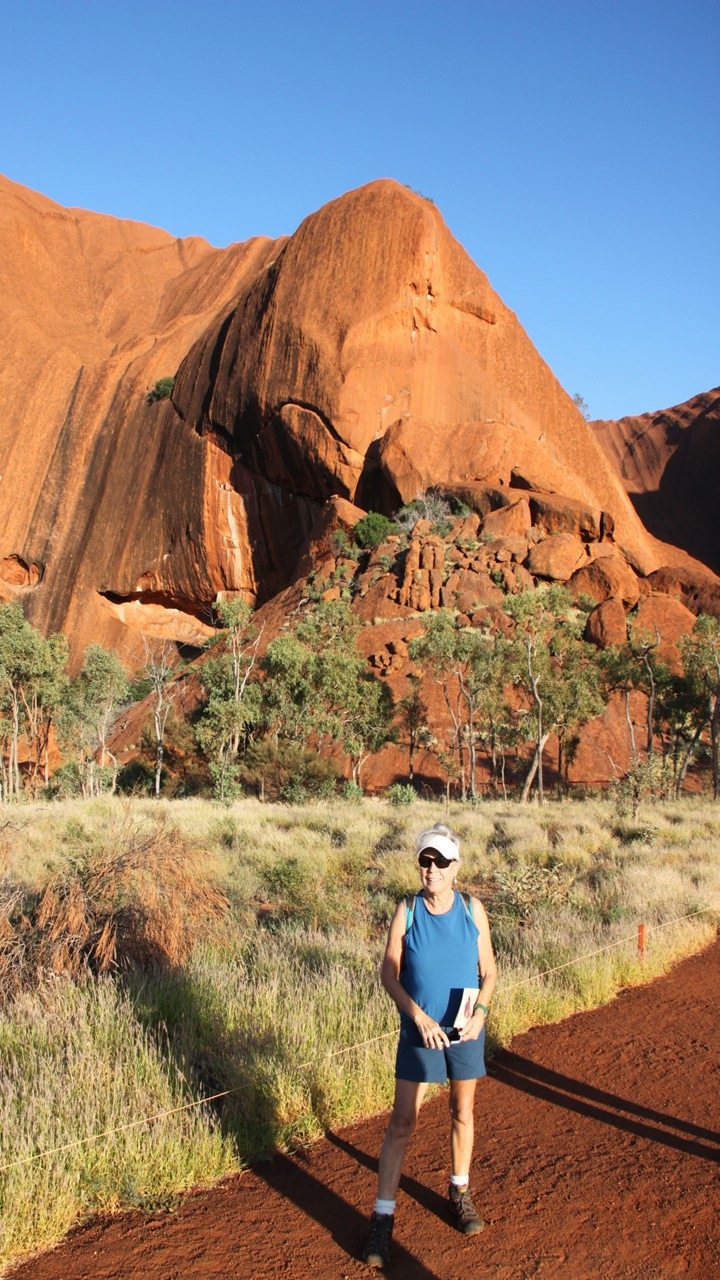
On Friday, we were up early to head back to Uluru to do the base walk. We started walking the 10 kilometer trail the goes all the way around the rock at 6:45 am hoping to avoid the hottest part of the day. We started at Kuniya car park where we were still in shade and with a nice breeze. By the time we were a quarter of the way along the trail, it had moved away from the base and the breeze lessened. The trail is composed of red dirt & grit with only occasional restrooms, water, and first aid at the 1/4 and 3/4 way stopping points, and with only first aid stations at the 1/2 and end stopping points. Over half the route is considered sacred grounds which means no picture-taking is allowed. No climbing of any of the rocks is allowed any longer since the rock is sacred, but in the past this was not true. At the 3/4 point of the walk is the Kantju Gorge which contains precious water, but can catastrophically flood. We finished the walk in 2 ½ hours.

Overhang cave hiking around Uluru – Ayers Rock
Kantju Gorge and watering hole
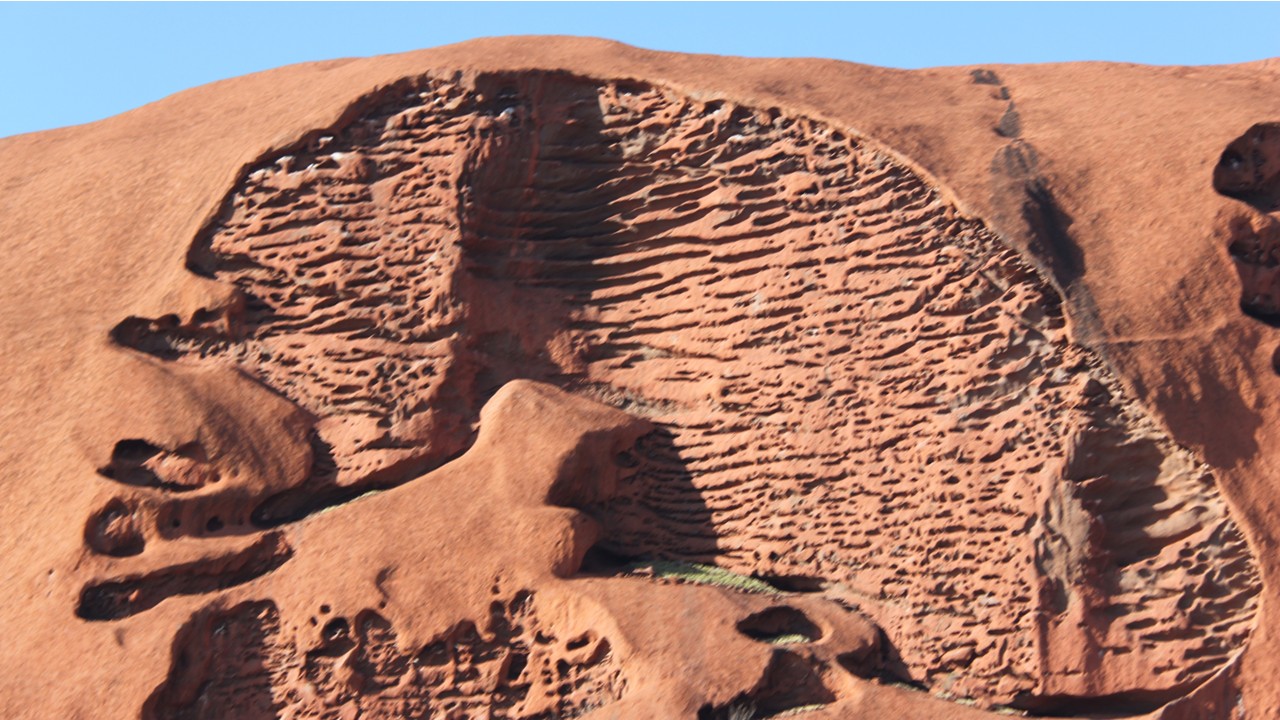
Erosional holes in the clay rich sandstone rock

Aboriginal wall paintings in Uluru cave
Spectacular Erion features on Uluru – Ayers Rock
Julie on the 11kilometer Uluru base hike
Uluru – Ayers Rock at dusk
Uluru – Ayers Rock at Sunset

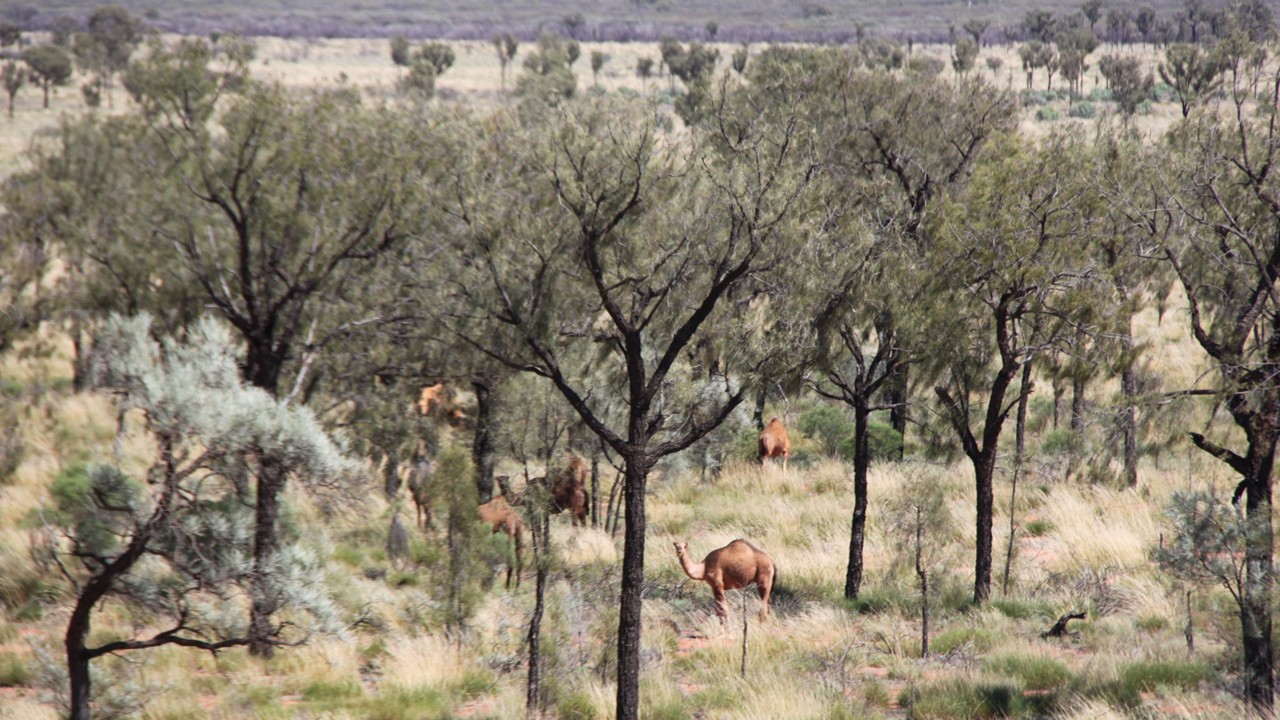
We then drove to Kata Tjuṯa Dune for a view of the Kata Tjuṯa rocks which are not at high as Uluru. This formation is not one rock but many rocks, and of a different composition. Along the way, we also saw a herd of wild camels.

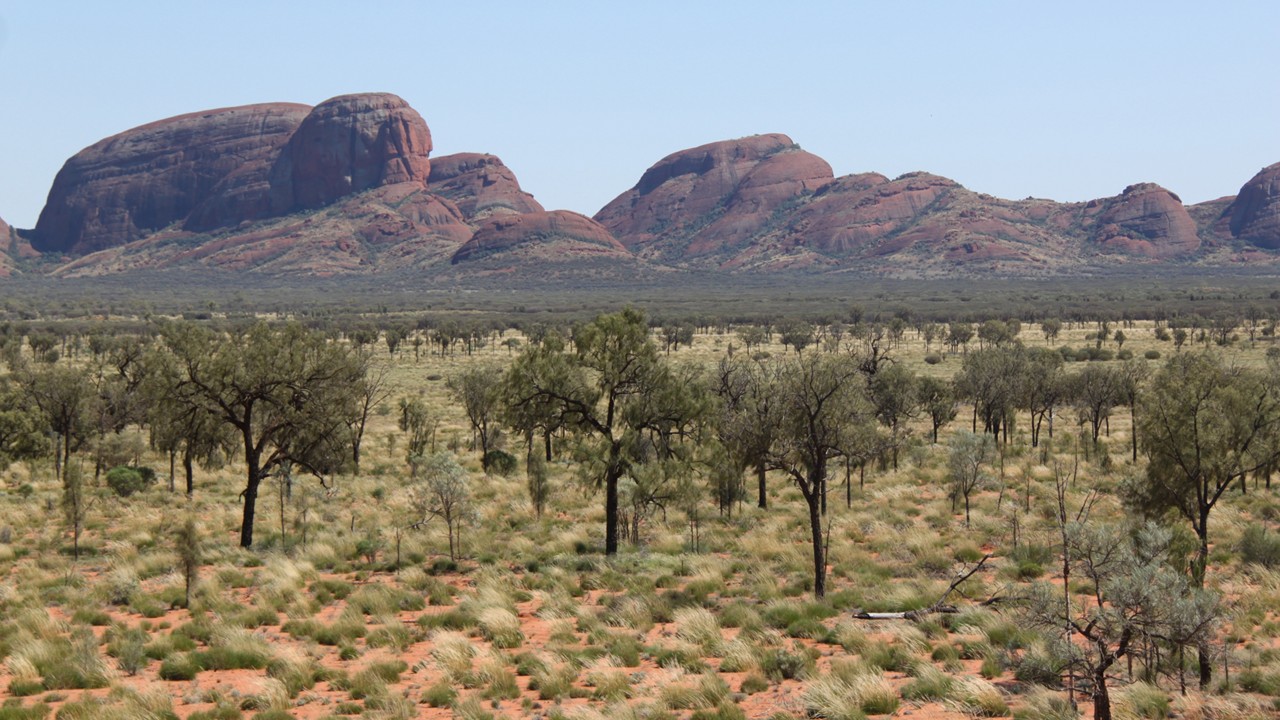
The Kata Tjula Rocks
Wild camel herds wandering the desert

Next we returned to the resort for a late breakfast but as it was already 11am, we settled for an early lunch followed by showers and some swimming pool time. Later in the day, we played cards in the hotel lobby, as it was another 98-degree day. For dinner, we walked to nearby Desert Garden Hotel and enjoyed their service at the Managua Bistro and Bar. Dinner consisted of kangaroo kebabs, pumpkin salad, mushroom rigatoni, and chicken wings. After walking back to our hotel, we called it early night as we are planning to rise early and see Uluru at the Sunrise Overlook.

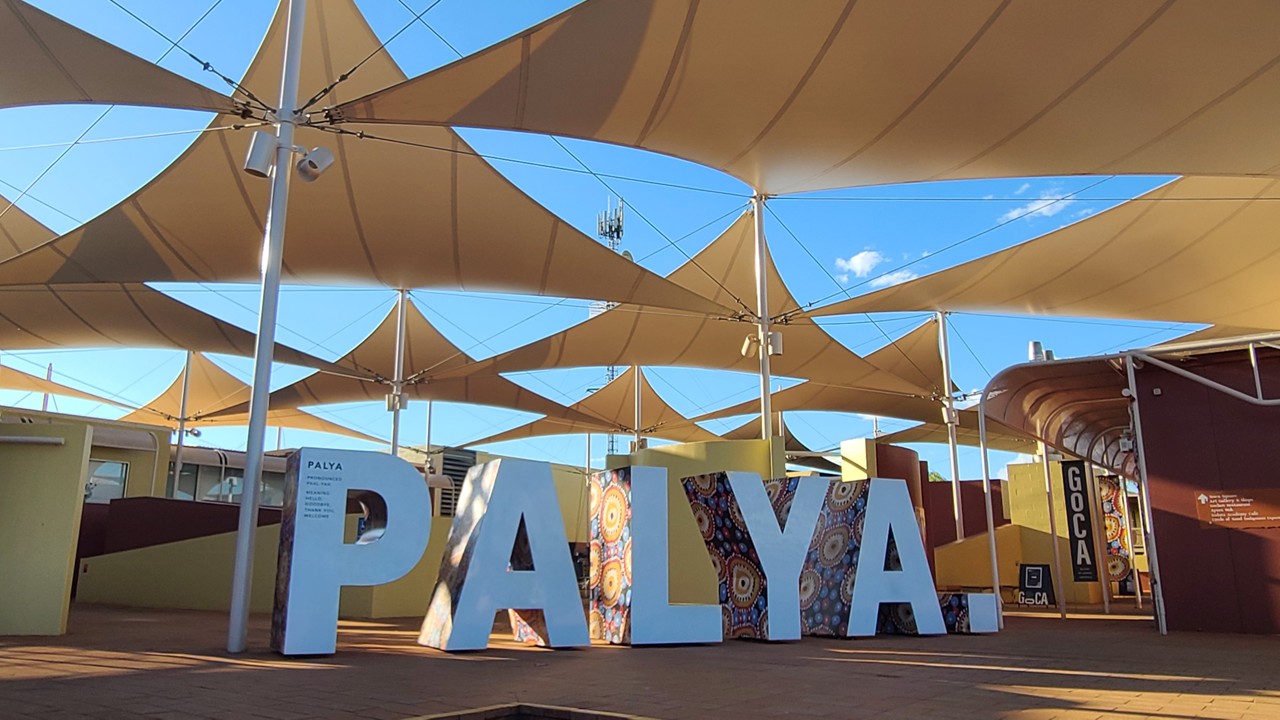
Hotel center at Uluru – Ayers Rock

Saturday morning we were up very early to arrive before sunrise at Uluru at the Talinguru Nyakunytjaku, a series of boardwalks and platforms built to view the rock at sunrise. It was a quiet beautiful sight. Afterwards we drove back to the Sunset viewing area for a different morning view.

Uluru – Ayers Rock at dawn

Uluru – Ayers Rock at sunrise

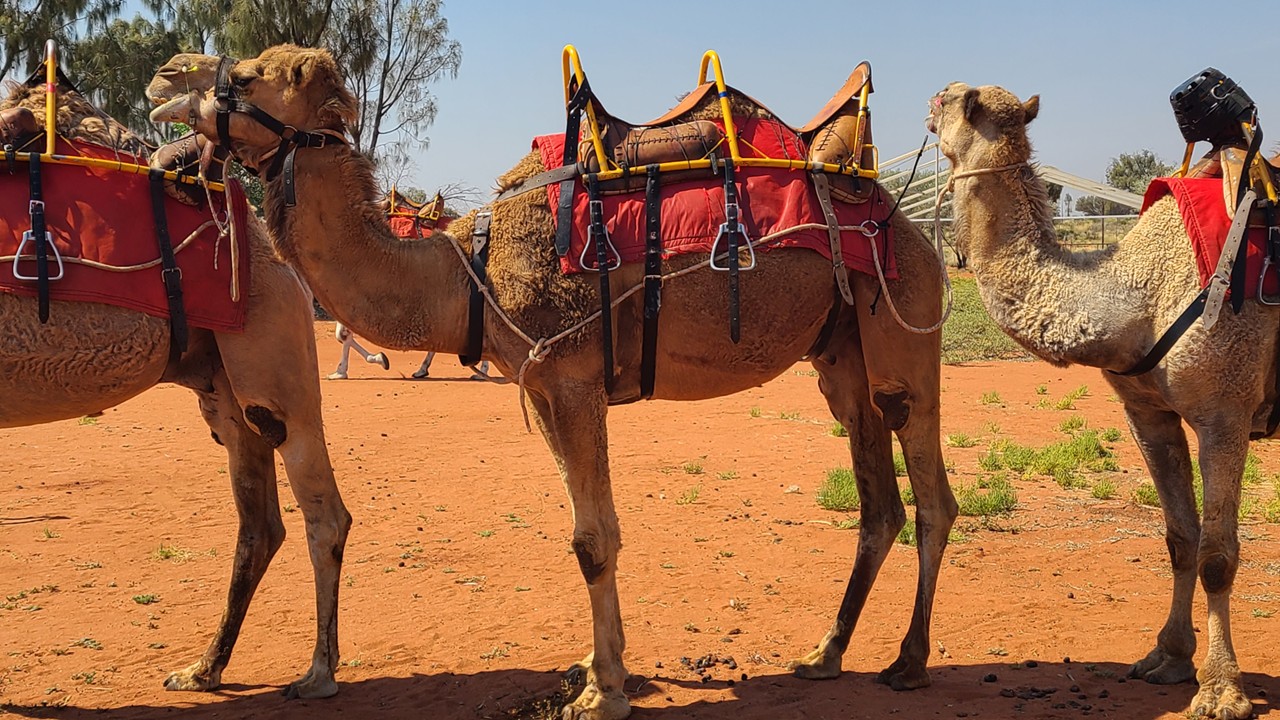
When we returned to the resort, we had breakfast at the Academy Cafe, a training facility for the local tribes-people to be trained in the hospitality industry. After packing, we played a quick round of cards prior to checking out of the hotel. On the way to the airport, we drove to the local camel farm and self-toured their farm and small museum. Here, we learned that the Afghan people brought the camels to Australia in the 1800’s. At that time, this was the only way that people were able to traverse the desert and move supplies and mail about. Eventually, trains, and then roads took over the transport system, and by the 1950s the camels were too expensive to keep and no longer of any use, and so, were abandoned to roam free. About 10 years ago after the camel population had ballooned to over a million camels, a desert catastrophe was in the making as the wild camel herds were consuming huge amounts of the scarce desert water, depriving native animals of water to survive. In response, the government began annual culling of the wild camels. Today the camels are only used for desert tourism. The camel farm museum had lots of old pictures, saddles and carts, a gift shop, a children’s petting area, cows, and water buffalo.

Camel caravan at camel farm

After that, it was on to the petrol station, car return, and the airport. There, we checked-in for flights to Melbourne where we spent the night at the airport hotel.

Eastern Australia and Tasmania

Part 1: Brisbane

We had been to Eastern Australia once before, after we had experienced our first Backroads trips to the northern and southern islands of New Zealand, 8 years ago in 2016. Then, we had taken advantage of being halfway around the world to self-plan 3 days in Melbourne and 3 days in Sydney to explore and sightsee. This time, Backroads offered a first-time ever multi-adventure trip to Tasmania, and again we self-planned visits to places we had yet to see.

On Saturday, October 26th we flew to San Francisco where we met up with Julie’s sister and brother-in-law and caught a 14-hour flight to Brisbane, Australia. Not only had we never been to Brisbane before, but it had been a desire to visit the “The Crocodile Hunter’s” Wildlife Center also known s the Australia Zoo, (Steve Irwin), and see his family (Terri, Robert, Bindi, Chandler, Grace, etc.) and marvel at the variety of strange and wonderful animals. 

Part 1: Brisbane

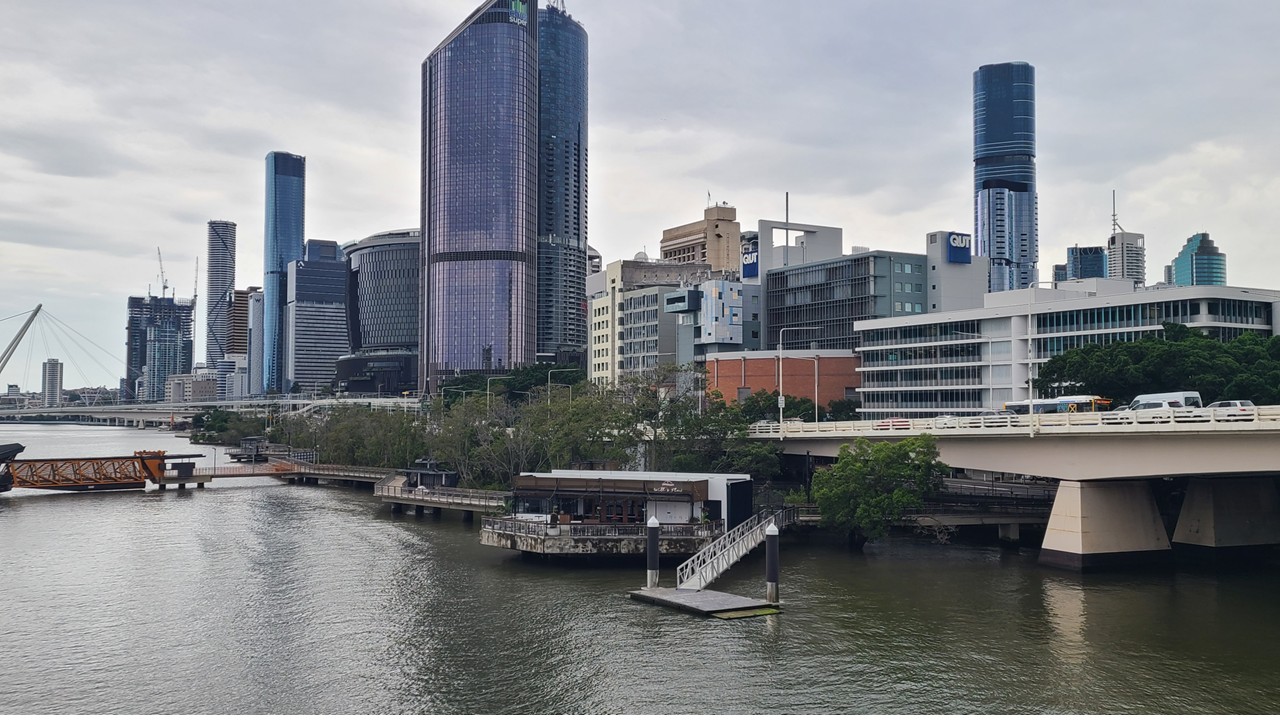
We arrived in Brisbane on Monday at 6am and took the train into the city where we left our bags at our hotel which was across the street from the Botanical Gardens and proceeded to explore them on our way to a small café – “The Garden Club.” The gardens were beautiful and housed massive trees and lots of different large birds. We then crossed the Goodwill Bridge to use a pedestrian walkway along the Brisbane River towards Story Bridge. We passed the Maritime Museum which had many boats in dry dock and an old lighthouse. We continued along the river to the Kangaroo Point Cliffs which actively allow people to practice their rock climbing. The flowers and scenery along the way were lovely. Once we arrived at Story Bridge we received a notice that our hotel room was ready, so we caught the ferry at Holman Street to cross the river, and walked back to our hotel. After setting out things in our rooms, we headed back out for a local beer, and a walk to Queen Street Mall, before finally stopping for a late lunch at Mr. Edward’s. After returning to the hotel, we played cards poolside until a rain storm interrupted us and sent us inside for the evening 

Brisbane Skyline
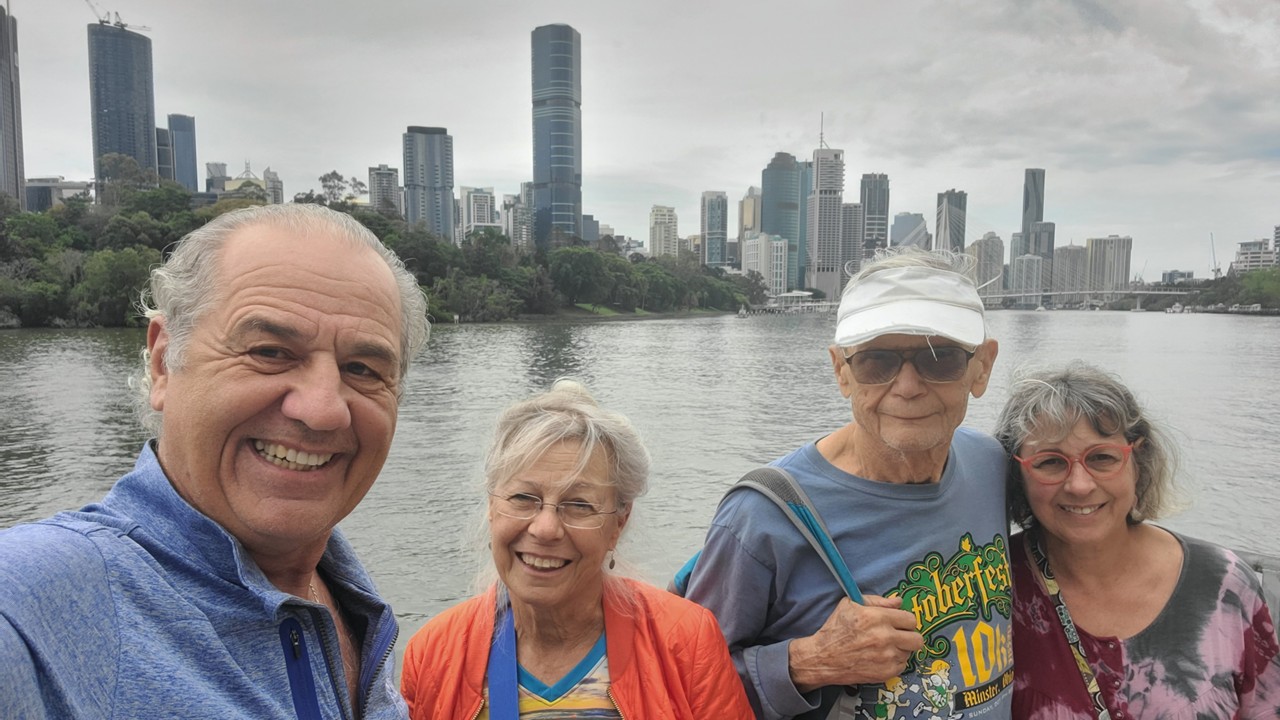
Walking across a Brisbane bridge.

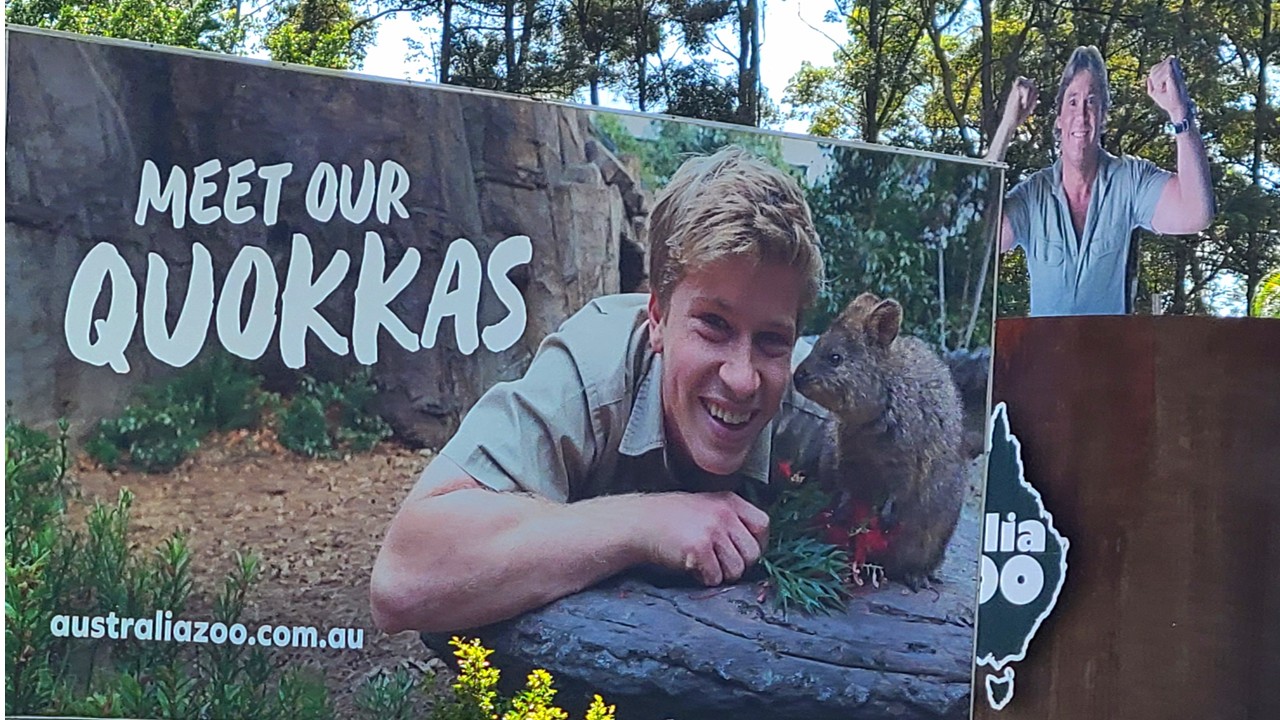
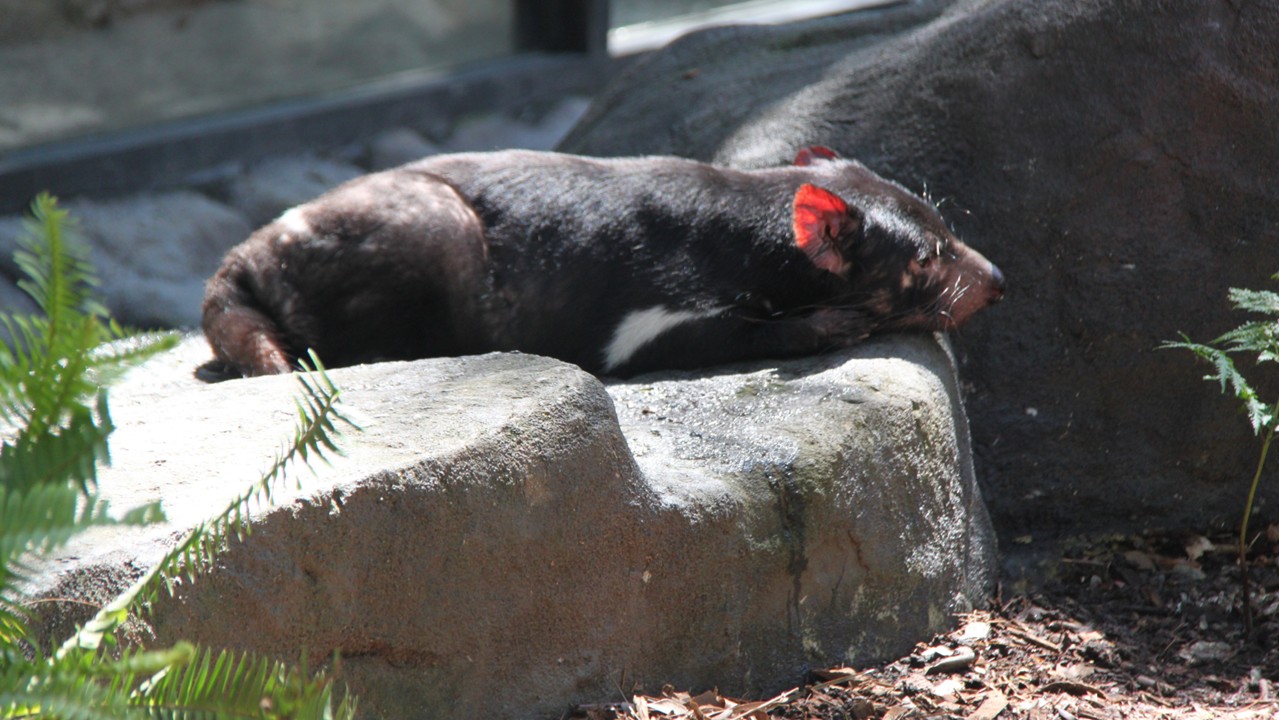
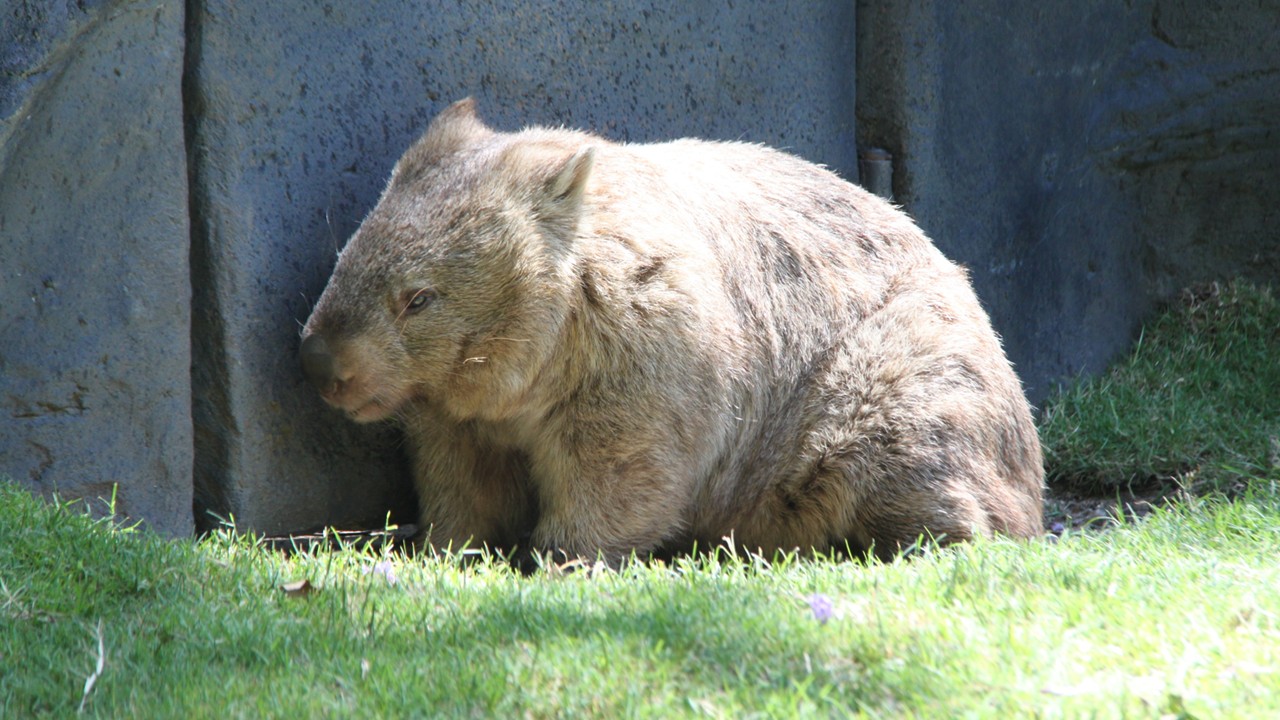
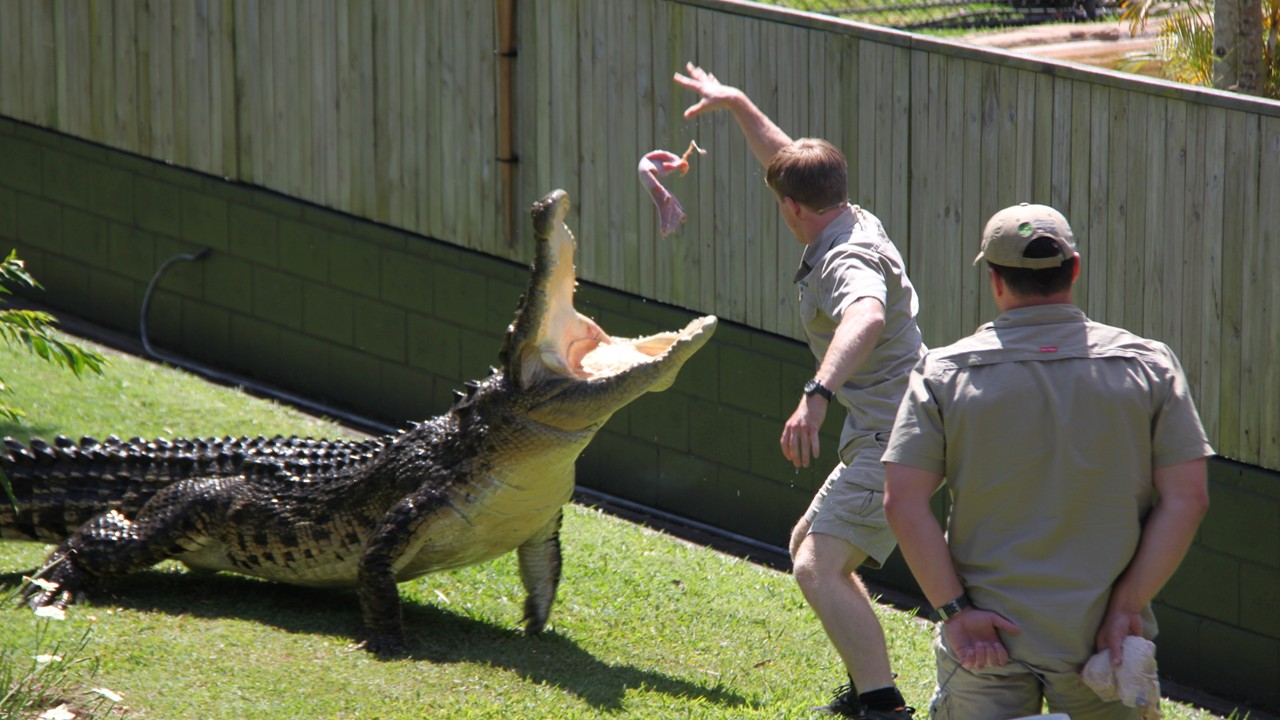
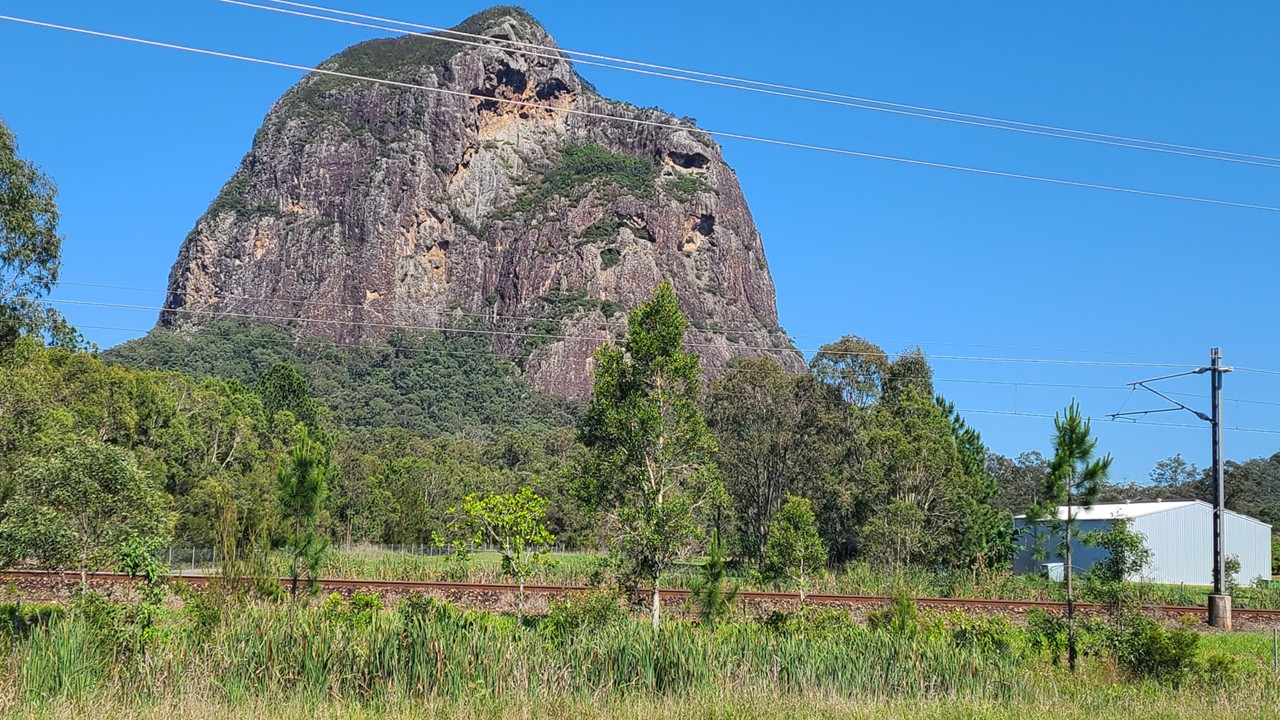
On Tuesday we were up early to prepare for a day visiting the Australian zoo. We hired a car for the 90-minute drive north of Brisbane. Nearing the Wildlife Park, we passed the famous “Glass Mountains” – steep peaks of volcanic intrusion jutting up out of the landscape. We arrived just before the park opened, and began our visitation by viewing the Tasmanian devils, dingoes, cassowaries, and some koalas, crocodiles, alligators, and tortoises. We then walked to see wombats, various birds, and the red kangaroos, which we petted and fed, before visiting more koalas, which we could pet. Then we strolled among the grey kangaroos, which loved being petted, and went on to see 2 large birds we never heard of before – the Jabirus, and the Brolgas. Then we explored the Asian section of the zoo where there were Sumatran elephants and tigers, and red pandas. We decided to head for a lunch break past Bindi’s island to the “Grasslands Café” to enjoy a Moroccan meal. After lunch, we visited the cheetahs before catching the park’s local train to go see the crocodile show. Since the “Crocoseum” was being rehabbed, we sat in the show stands as the Irwin Family, (Terri, Bindi, and Chandler), introduced themselves before Robert Irwin worked with and fed the 3 largest crocodiles – “Bosco”, “Occy”, and “Acco.” Robert would swish a chicken carcass in the water while stomping the ground to get the crocs to move out of the water toward him. He would then drop the chicken as the crocs would leap and lunge for him., After the show, we visited the gift shop and then, the famous wildlife hospital. There were multiple animals being treated: several birds, turtles, snakes, and multiple koalas. It was fascinating to observe the vets at work. To return to Brisbane, we walked to shuttle stop to get free bus transport to the train. Due to some local dispute, the train back to Brisbane only cost $.50 cents Australian per person – basically “free”!

The Australian Glass Mountains
Entrance to Australia Zoo
Tasmanian Devil Asleep
Australian Wombat
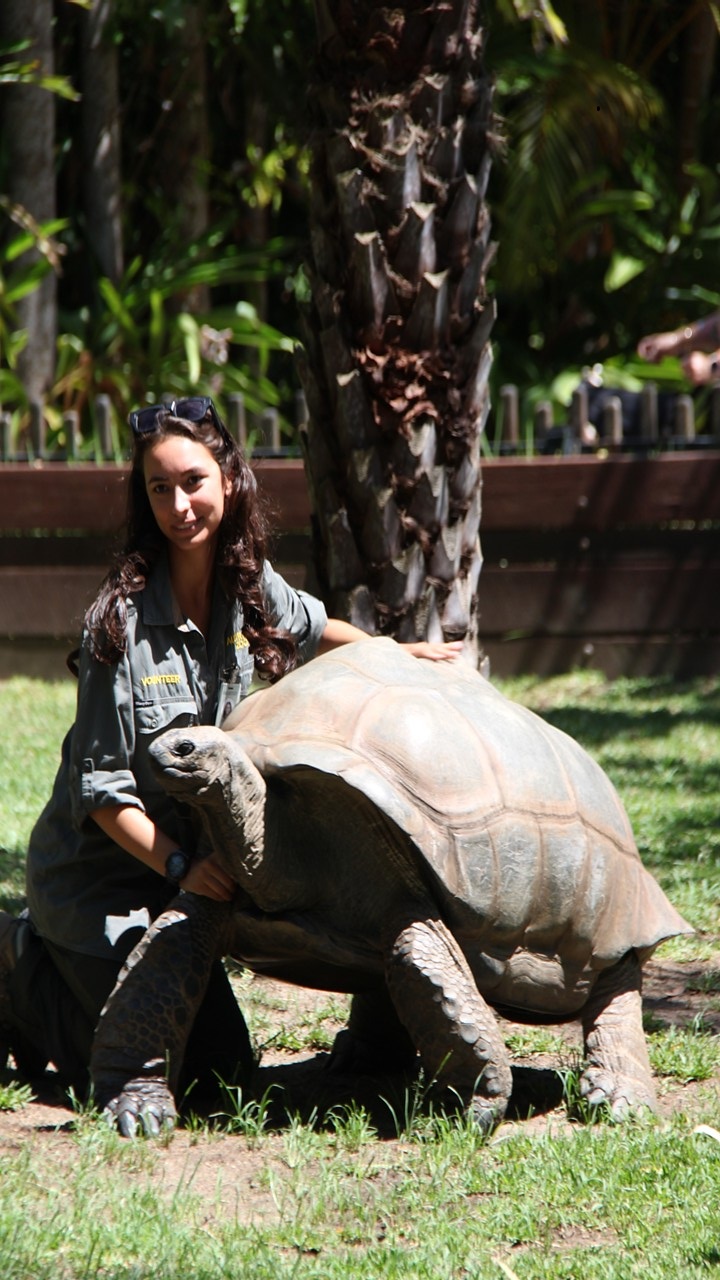
Indian Ocean Aldabra Tortise

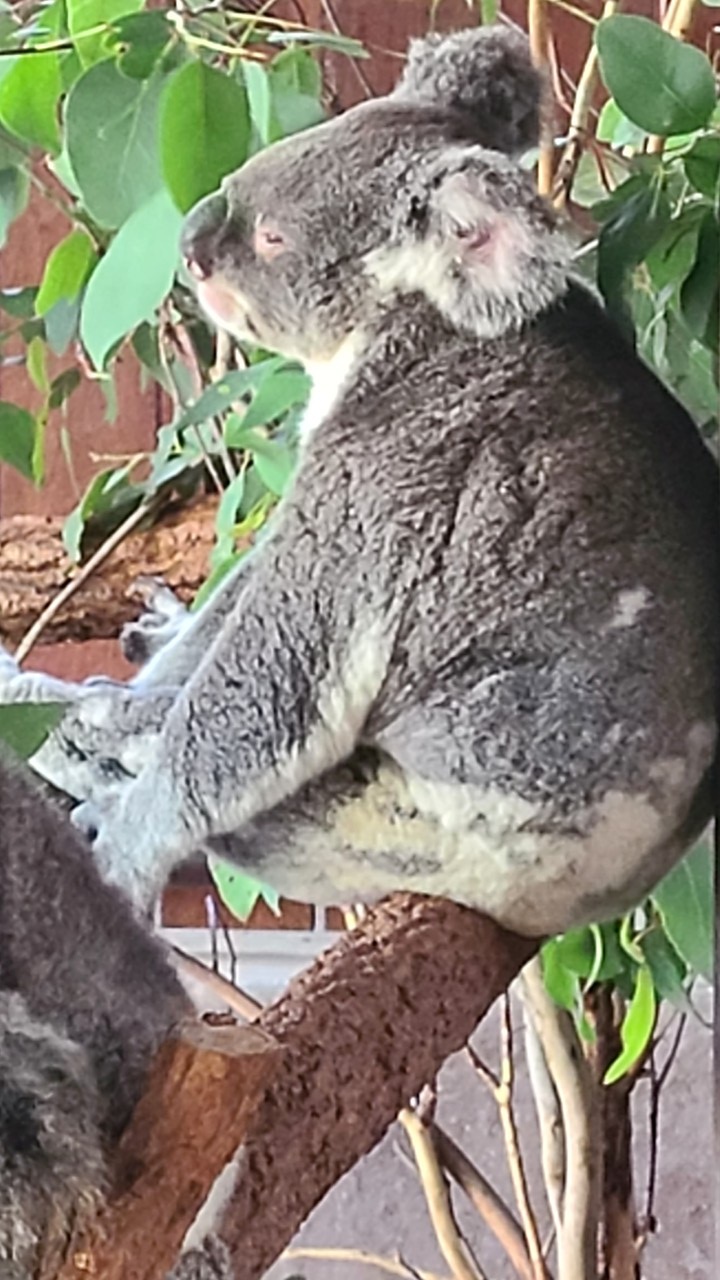
Australian Koala
Julie petting a Koala
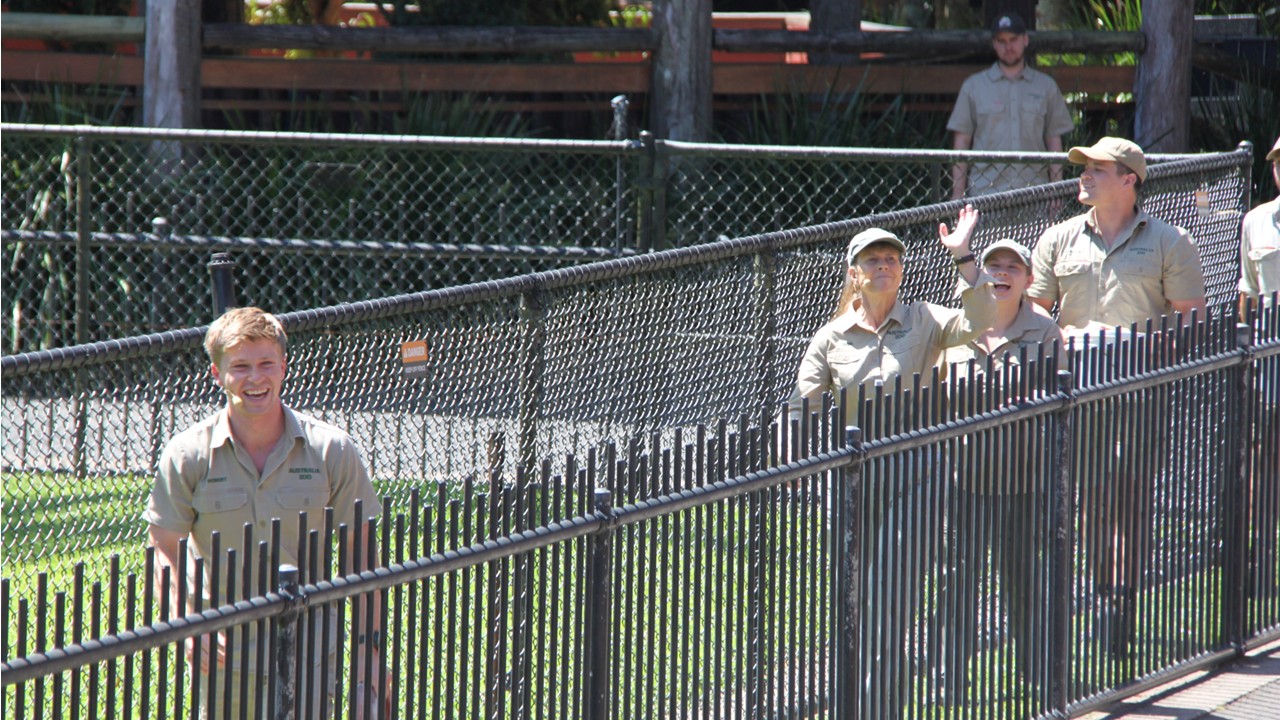
The Irwin Family for Showtime
Robert Irwin feeding the Crocs
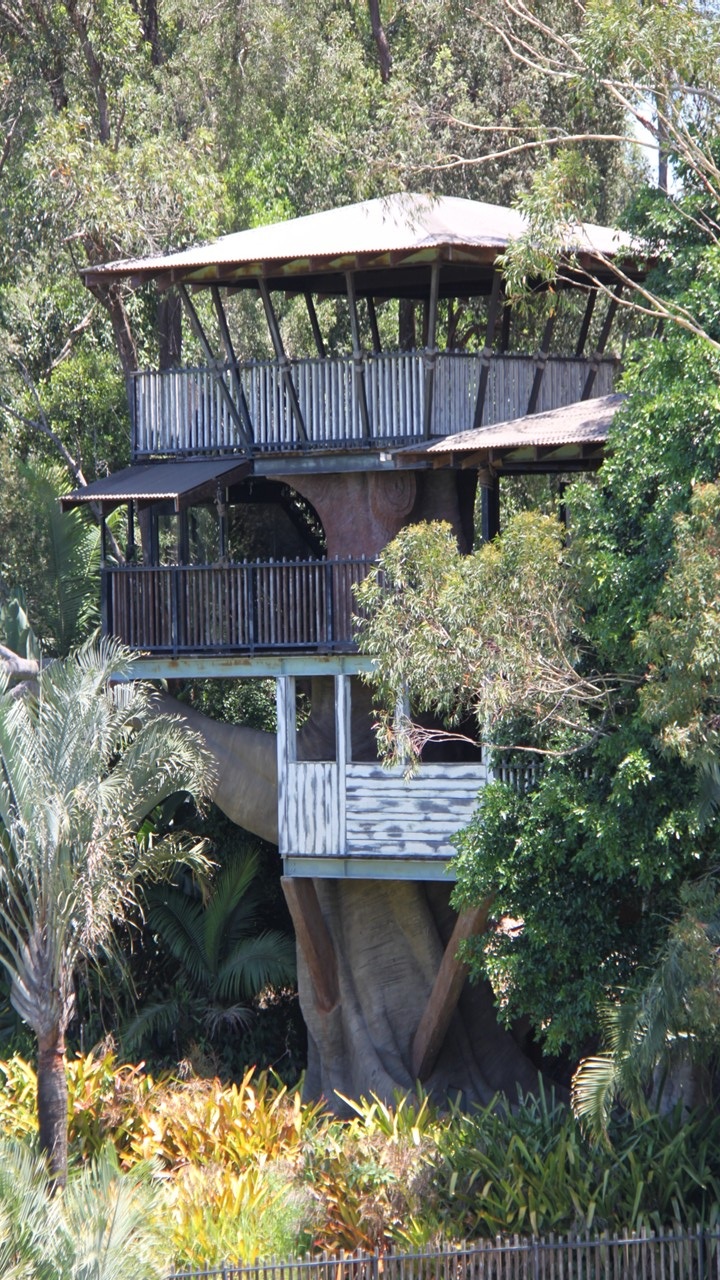
Bindi Irwin’s Treehouse

Back at the hotel we arranged the next day’s travel & adventure theme before heading off to dinner – beers and ciders with nachos, chicken, and ribs. We ended the night enjoying the hot tub with a glass of wine.

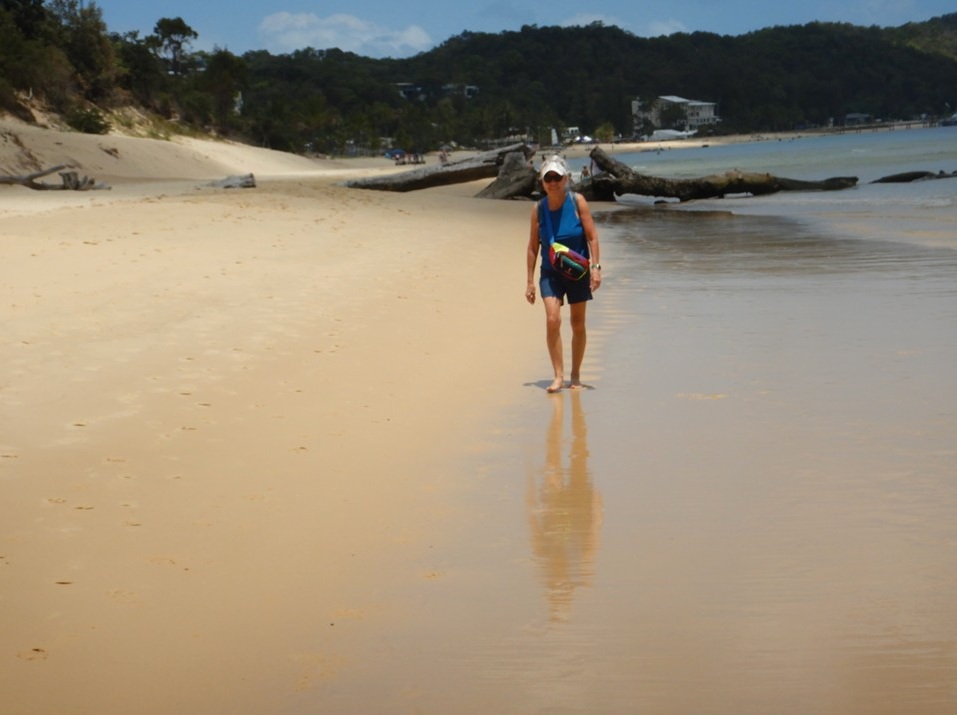
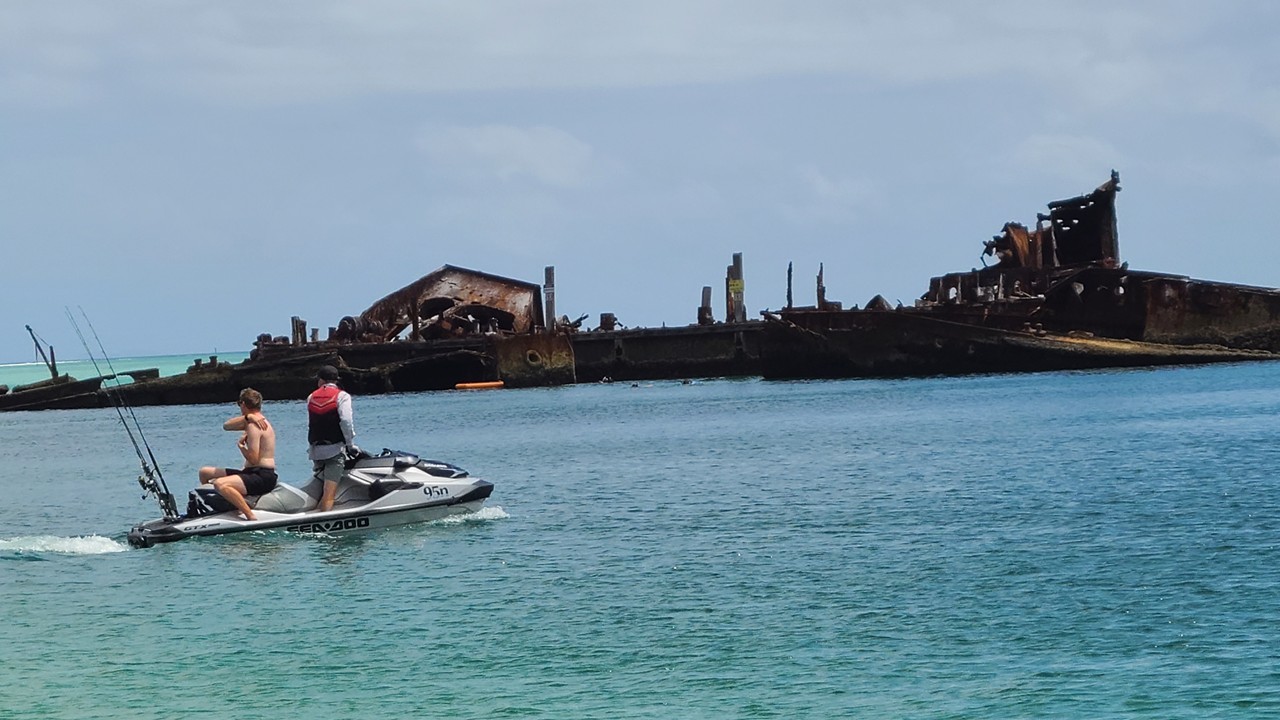
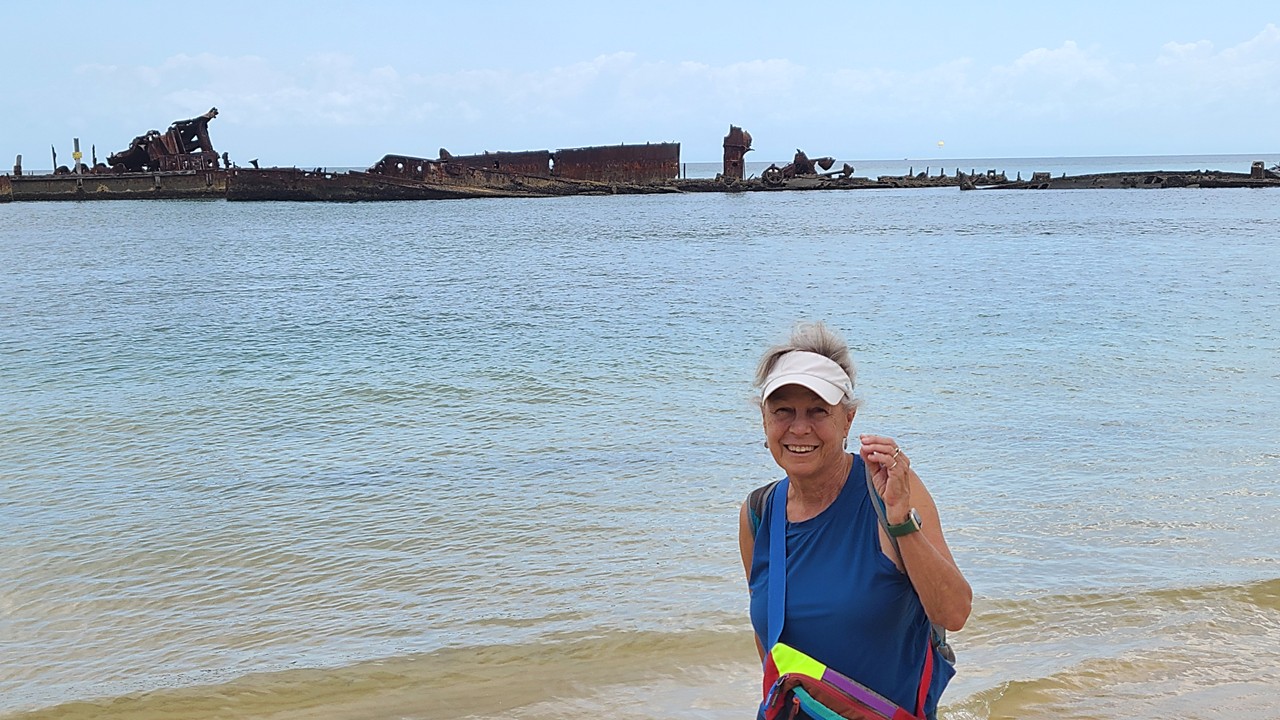
Wednesday morning, we took a taxi to the Tangalooma Ferry Port of Brisbane.  There, we purchased tickets for a Day Cruise to Tangalooma Island Resort via 75-minute ferry down Brisbane river to Moreton Bay to Moretan Island, where the resort is located. While on this protected sand island, which serves as protection for the entrance to the bay, one can experience whale watching, dolphin feeding , pelican feeding, snorkeling the Tangalooma wrecks, paddle-boarding, fishing, dune surfing, and a multitude of beaches, all while enjoying drinks and food from the resort. We walked the beach to the site of the intentional ship wrecks, where the water is crystal clear. The first wrecks were sunk in 1975, followed by more which were added in 1980 and again in 1995 specifically to attract sea life. 98% of the island is protected as a National Park, but there are a few permanent residents. Moreton island is the 3rd largest sand island in the world. In the past, the island had 5 lighthouses and a whaling station. All of the roads on the island are sand and only a few 4-wheel drive vehicles are located on the island.

Julie walking the beach at Tangalooma

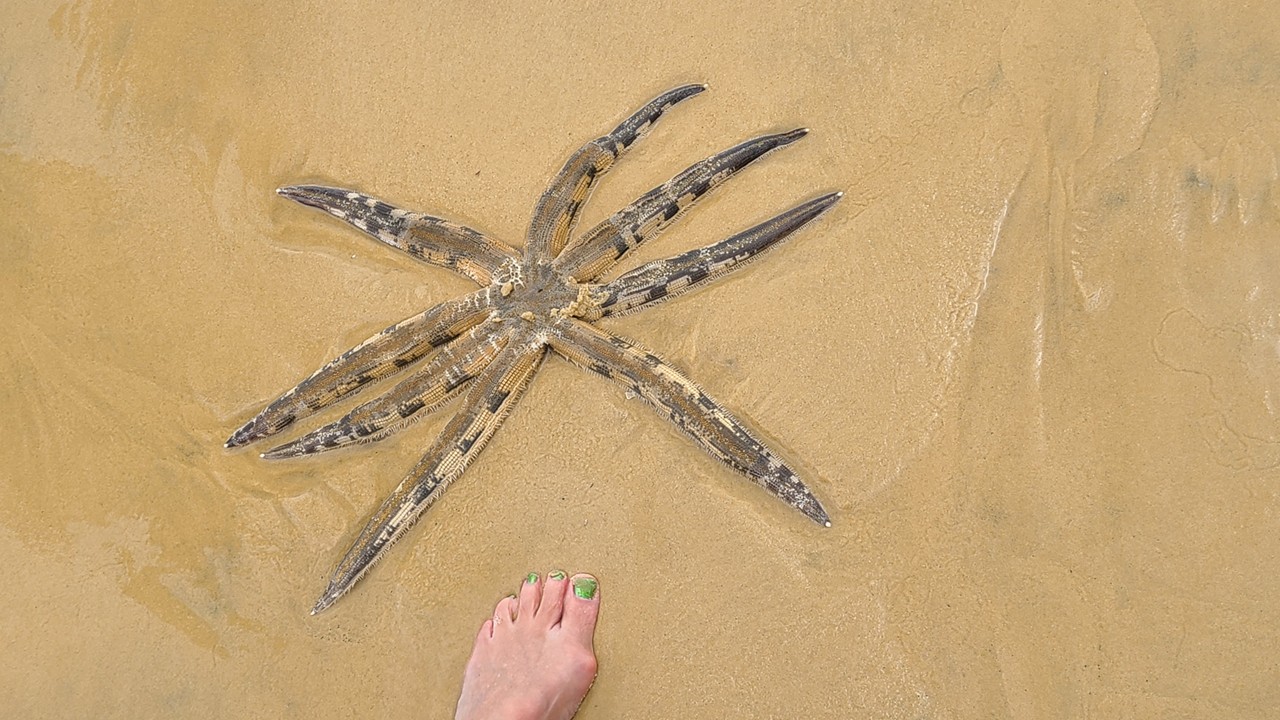
While walking the beach to the wrecks, it was low tide and we saw a number of white starfish and a multi-legged (8 legs) starfish. We found live shells and live scallops at the water’s edge. The sea was a beautiful blue azure with a variety of fish of all sizes swimming lazily close to us and dolphins playing nearby. After a brief swim near the wrecks, we returned to the resort for drinks and lunch, After lunch, we had a few minutes to shop and to play a few hands of cards before catching the ferry back to Brisbane. Once onshore, we called an Uber to return to the hotel, where we got a snack at the bar before going off to bed.

The wrecks at Tangalooma
Giant 8-legged Starfish at Tangalooma Beach
Julie with beach treasure at Tangalooma